




BIG NEWS
- Tragedy Strikes Diveagar Beach: Eight College Students Drown During Class Trip in Raigad
- HDFC Bank Appoints Anup Bagchi as MD and CEO Amid Governance Spotlight
- Akhilesh Promises Rs 51,000 Pension for 'Democracy Warriors', Slams 'BJPian Emergency'
- India Issues Urgent Advisory Against Nationals Joining Russian Armed Forces
- Punjab Congress Shocker: Raja Warring Resigns as State Chief Ahead of 2027 Assembly Polls
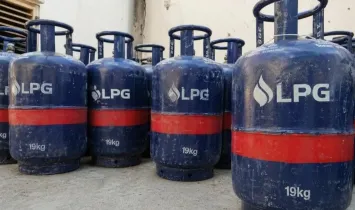
- Commercial LPG Cylinder Prices Hiked: Rates Raised by Up to ₹71 Ahead of Festival Season
- India Needs Multi-Fuel Strategy for Road Transport, Not Just EVs: TERI-PNGRB Study
- Indian Pilot Saves Flydubai Flight from Disaster After Cockpit Stabbing
- October Bank Holidays 2026: Plan Around Festive Closures
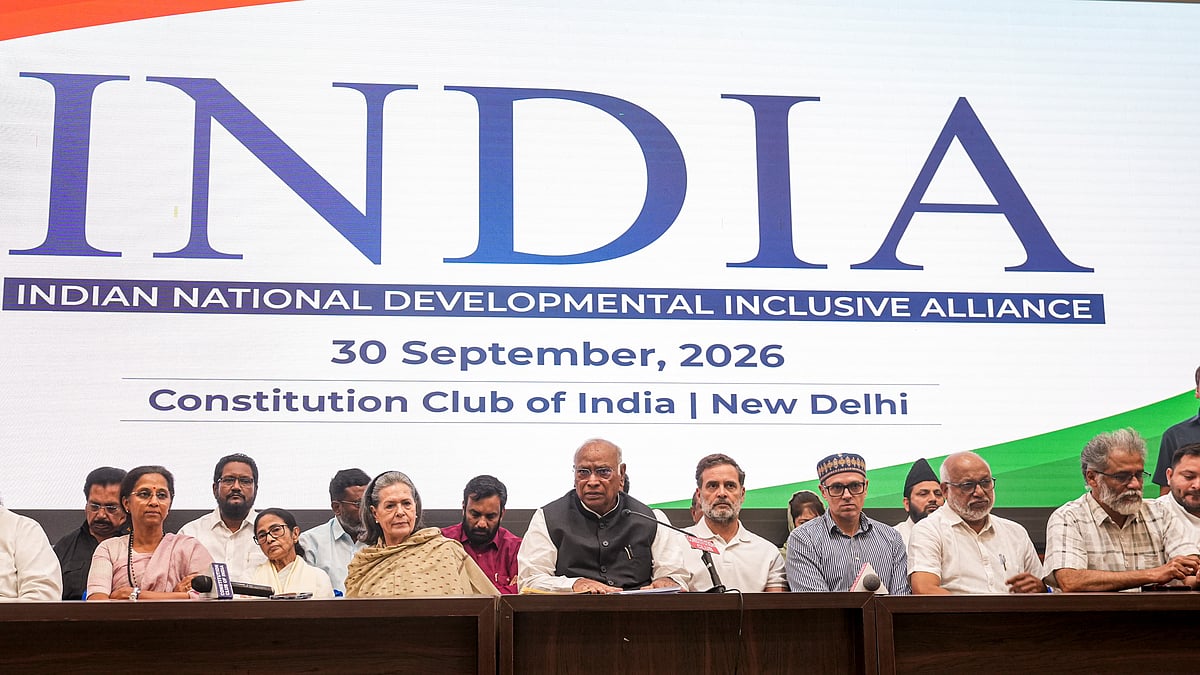
- INDIA Bloc Declares Nationwide Agitation, Schedules October 6 March to Election Commission
Trump’s AI Rebrand: A Bold Pivot to ‘Super Intelligence’


Public Lokpal
September 30, 2026
Trump’s AI Rebrand: A Bold Pivot to ‘Super Intelligence’
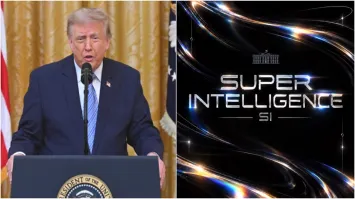
President Trump’s executive order replacing "Artificial Intelligence" with "Super Intelligence" (SI) is a striking rhetorical pivot, but its real-world impact remains uncertain.
By dismissing "artificial" as making the technology sound "fake," Trump underscores a valid communication hurdle: the current terminology often fails to capture the profound, transformative weight of machine intelligence.
Elevating the nomenclature aligns with his administration's hyper-competitive framing—that SI is "much bigger than the Internet" and the ultimate geopolitical prize.
However, rebranding a sector by executive decree does little to change the underlying technology, data privacy hurdles, or energy constraints.
While federal agencies must now update their policy documents and websites within a 60-day window, the global tech industry will likely continue using standard terminology.
Ultimately, while the name change successfully commands the news cycle and highlights high-stakes national security priorities, it remains largely cosmetic.
Whether the administration can leverage this rhetoric into effective policy, robust infrastructure investments, and international cooperation will define the true legacy of this directive.