




BIG NEWS
- India Needs Multi-Fuel Strategy for Road Transport, Not Just EVs: TERI-PNGRB Study
- Indian Pilot Saves Flydubai Flight from Disaster After Cockpit Stabbing
- October Bank Holidays 2026: Plan Around Festive Closures
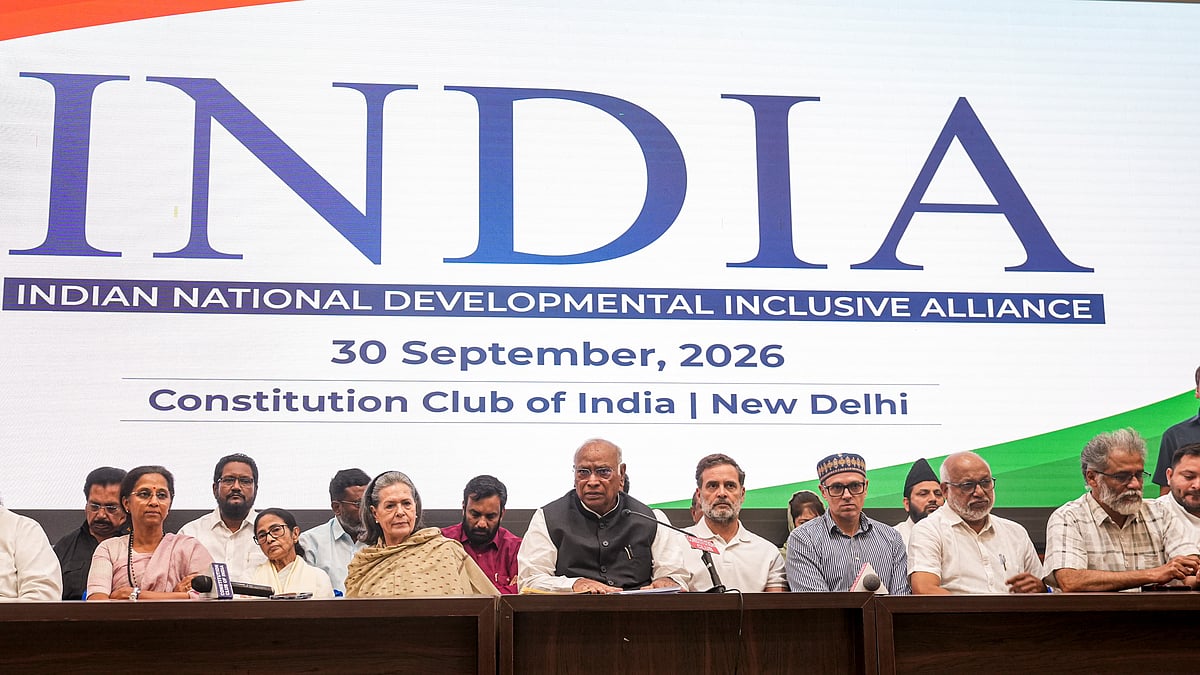
- INDIA Bloc Declares Nationwide Agitation, Schedules October 6 March to Election Commission
- SP Names Ram Gopal Yadav and Dhanraj Parimal Nathwani for Rajya Sabha from UP
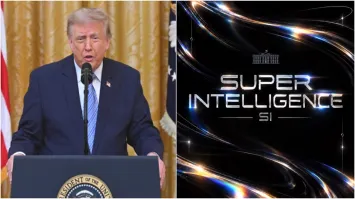
- Trump’s AI Rebrand: A Bold Pivot to ‘Super Intelligence’
- Iranian Embassy Mocks UN with Iconic 'Sholay' Meme in Viral Social Media Post
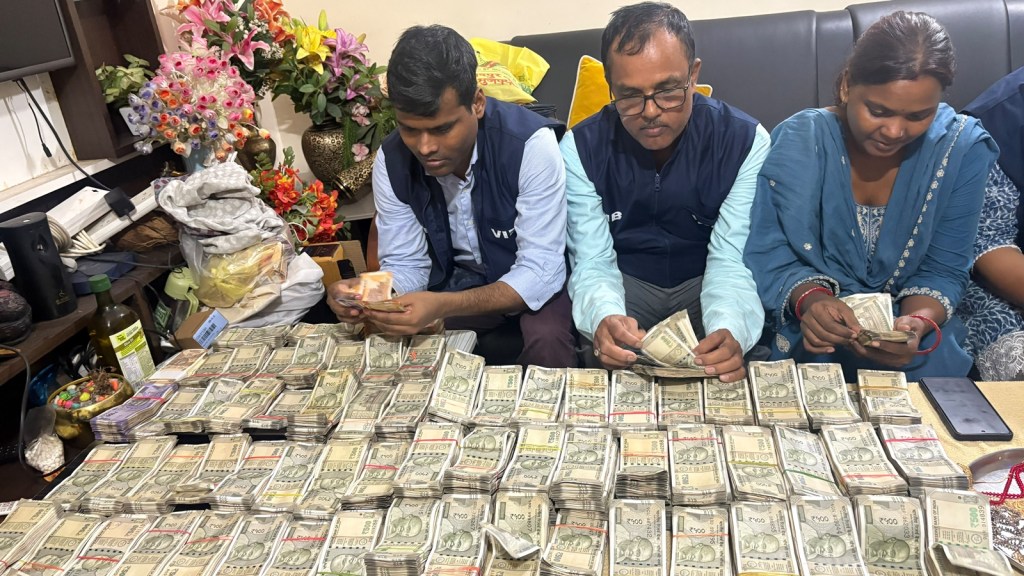
- Bihar Vigilance Raids: Bureaucrat Couple Caught With Rs 80 Lakh Cash, 48 Watches
- NCERT Revises Class 9 History Textbook to Highlight Medieval Resistance
- Rahul Gandhi Urges Youth Protests for Women's Safety, Asserts Government Only Responds to Pressure
India Needs Multi-Fuel Strategy for Road Transport, Not Just EVs: TERI-PNGRB Study


Public Lokpal
September 30, 2026
India Needs Multi-Fuel Strategy for Road Transport, Not Just EVs: TERI-PNGRB Study
A joint study by TERI and the Petroleum and Natural Gas Regulatory Board asserts that a one-size-fits-all approach is impractical for India's road transport decarbonisation, urging a segmented, multi-fuel strategy.
Assessing six vehicle categories across multiple cities up to 2050, the report highlights that no single fuel performs best across technical, economic, environmental, and geopolitical parameters.
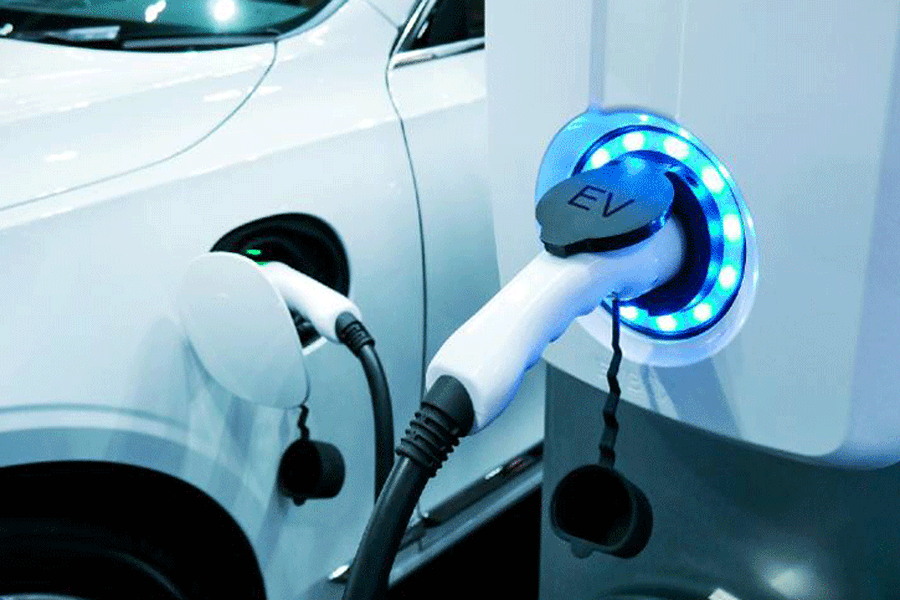
While electric vehicles dominate two-wheelers and last-mile mobility due to favorable economics and low operational emissions, other segments require diverse solutions.
CNG provides a strong, affordable transition fuel for passenger cars and light commercial vehicles, whereas LNG emerges as an attractive alternative for long-haul heavy freight.
Furthermore, the study notes that EV adoption faces hurdles including infrastructure constraints, refuelling times, payload penalties for heavy trucks, and a shift in energy security risks toward critical mineral supply chains.
Under India's current electricity mix, CNG frequently records a lower overall life-cycle environmental burden.
Ultimately, the report recommends accelerating electrification where viable while strategically expanding CNG and developing LNG corridors, alongside boosting battery recycling and domestic manufacturing to balance net-zero goals by 2070 with affordability and energy security.