









BIG NEWS
- Rahul Gandhi Urges Youth Protests for Women's Safety, Asserts Government Only Responds to Pressure
- Supreme Court Agrees to Hear Plea Against CEC Over Unilateral ECI Decisions
- Red bull challenges food safety regulatory ban on 'energy drink' label
- Tata Trusts Proposes Tata Sons Restructuring to Avoid Mandatory IPO
- Vithya Ramraj Shatters PT Usha's 42-Year-Old National Record
- From Ludhiana Roots to Global Stage: Angad Singh Dhillon Appointed Canada's UAE Ambassador
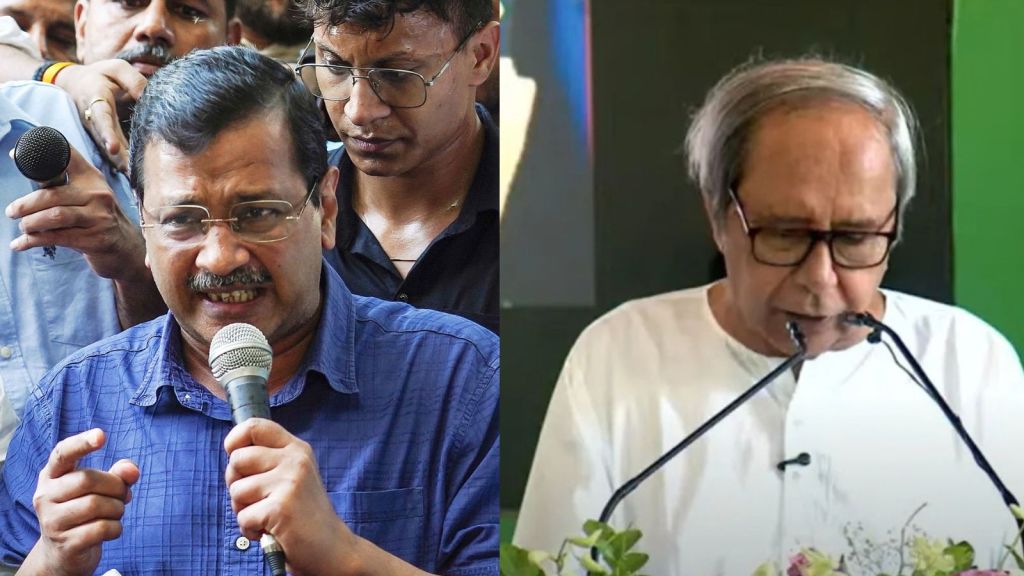
- Funding Slump: AAP Donations Drop 68%, BJD Declares Zero Contributions
- TRAI Overhauls Mobile Rules: Jio, Airtel, and Vi Must Now Offer Data-Free Plans
- World News Day: Defending Truth and Trust in the Age of Misinformation
- Delhi Unveils Strict Winter Anti-Pollution Plan: Construction Ban, 'No PUCC, No Fuel' Norm Imposed
Supreme Court Agrees to Hear Plea Against CEC Over Unilateral ECI Decisions


Public Lokpal
September 29, 2026
Supreme Court Agrees to Hear Plea Against CEC Over Unilateral ECI Decisions
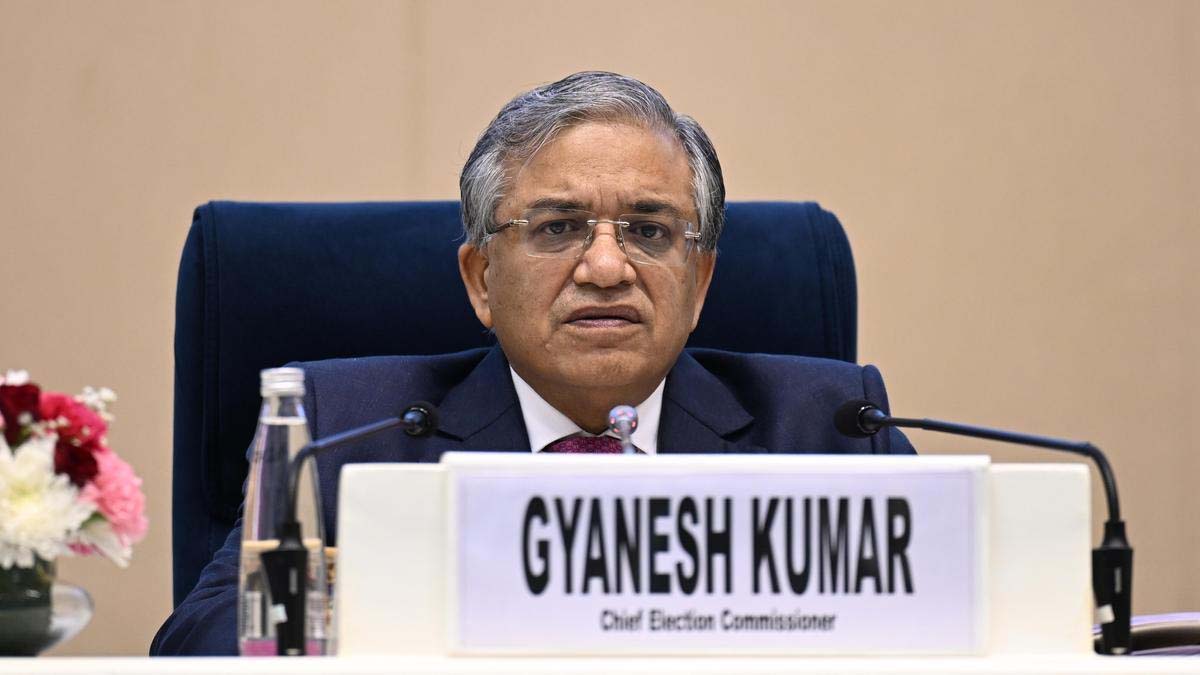
New Delhi: The Supreme Court has agreed to list a high-profile public interest litigation challenging Chief Election Commissioner (CEC) Gyanesh Kumar over allegations of executing unilateral decisions without the collective approval of fellow Election Commissioners.
Filed by social activist Rakesh Kumar Singh, the petition claims CEC Gyanesh Kumar bypassed collegial decision-making, highlighting 14 instances of written dissents recorded by Election Commissioners Sukhbir Singh Sandhu and Vivek Joshi regarding electoral roll management and administrative changes.
The plea seeks a writ of Quo Warranto against the CEC, an interim suspension preventing him from functioning, a judicial inquiry into contentious panel directives, and a declaration invalidating actions taken without consensus.
The Supreme Court agreed to an early oral mentioning and scheduled the matter for a formal hearing next week.
While the petition points to internal friction and digital portal modifications, the Election Commission has previously maintained that its administrative orders and procedures comply fully with established statutory frameworks.