





BIG NEWS
- Rahul Gandhi Urges Youth Protests for Women's Safety, Asserts Government Only Responds to Pressure
- Supreme Court Agrees to Hear Plea Against CEC Over Unilateral ECI Decisions
- Red bull challenges food safety regulatory ban on 'energy drink' label
- Tata Trusts Proposes Tata Sons Restructuring to Avoid Mandatory IPO
- Vithya Ramraj Shatters PT Usha's 42-Year-Old National Record
- From Ludhiana Roots to Global Stage: Angad Singh Dhillon Appointed Canada's UAE Ambassador
- Funding Slump: AAP Donations Drop 68%, BJD Declares Zero Contributions
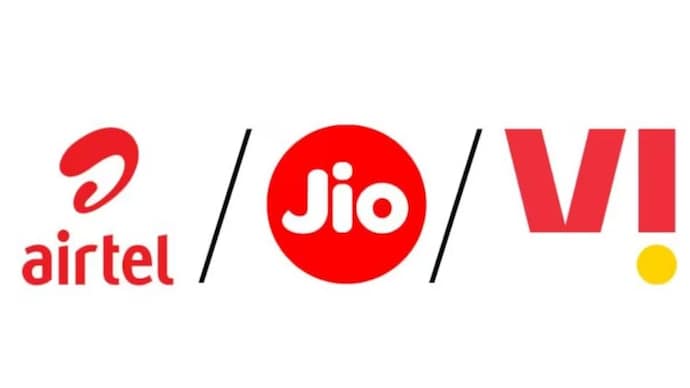
- TRAI Overhauls Mobile Rules: Jio, Airtel, and Vi Must Now Offer Data-Free Plans
- World News Day: Defending Truth and Trust in the Age of Misinformation
- Delhi Unveils Strict Winter Anti-Pollution Plan: Construction Ban, 'No PUCC, No Fuel' Norm Imposed
Red bull challenges food safety regulatory ban on 'energy drink' label


Public Lokpal
September 29, 2026
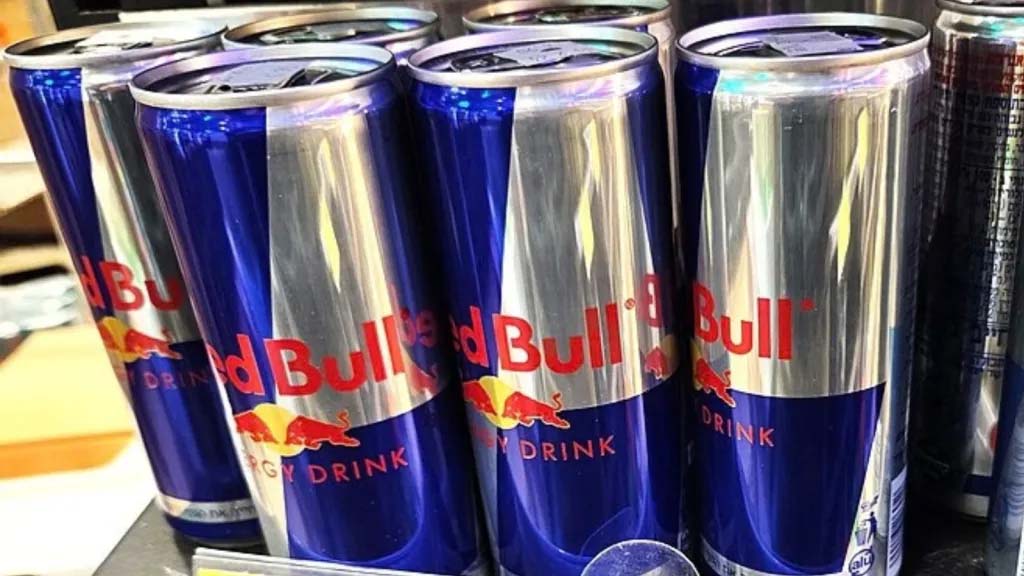
Red bull challenges food safety regulatory ban on 'energy drink' label
New Delhi : Austrian beverage giant Red Bull has filed a formal lawsuit in the Delhi High Court against the Food Safety and Standards Authority of India (FSSAI). This legal challenge marks the first major pushback against a controversial government directive impacting the high-caffeine beverage market.
The dispute centers on a June directive by the FSSAI ordering manufacturers to stop using the description "energy drink" on product packaging. In its petition, Red Bull argued that the sudden prohibition was implemented without prior warning notices or adherence to standard regulatory procedures. The company emphasized that "energy drink" is a globally recognized descriptor, and banning it without changing underlying product standards creates massive regulatory uncertainty, threatening both current and future investments in India.
This regulatory crackdown extends beyond Red Bull, directly affecting major industry competitors including Monster Beverage, PepsiCo, and Reliance. Industry stakeholders argue that stripping away a globally established category label undermines brand equity in a rapidly growing Indian market projected to reach $1.6 billion by 2028.