





BIG NEWS
- Trump’s AI Rebrand: A Bold Pivot to ‘Super Intelligence’
- Iranian Embassy Mocks UN with Iconic 'Sholay' Meme in Viral Social Media Post
- Bihar Vigilance Raids: Bureaucrat Couple Caught With Rs 80 Lakh Cash, 48 Watches
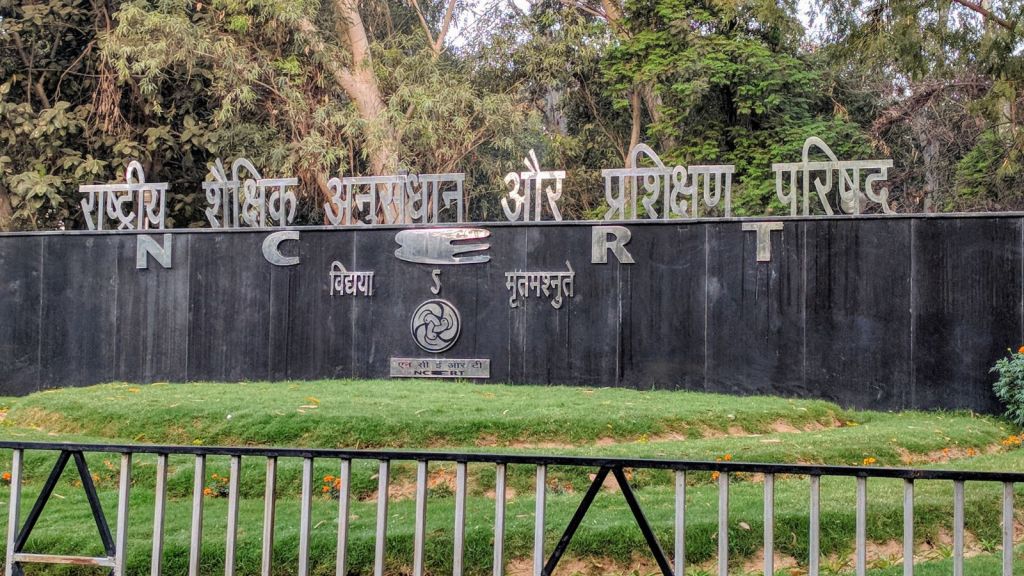
- NCERT Revises Class 9 History Textbook to Highlight Medieval Resistance
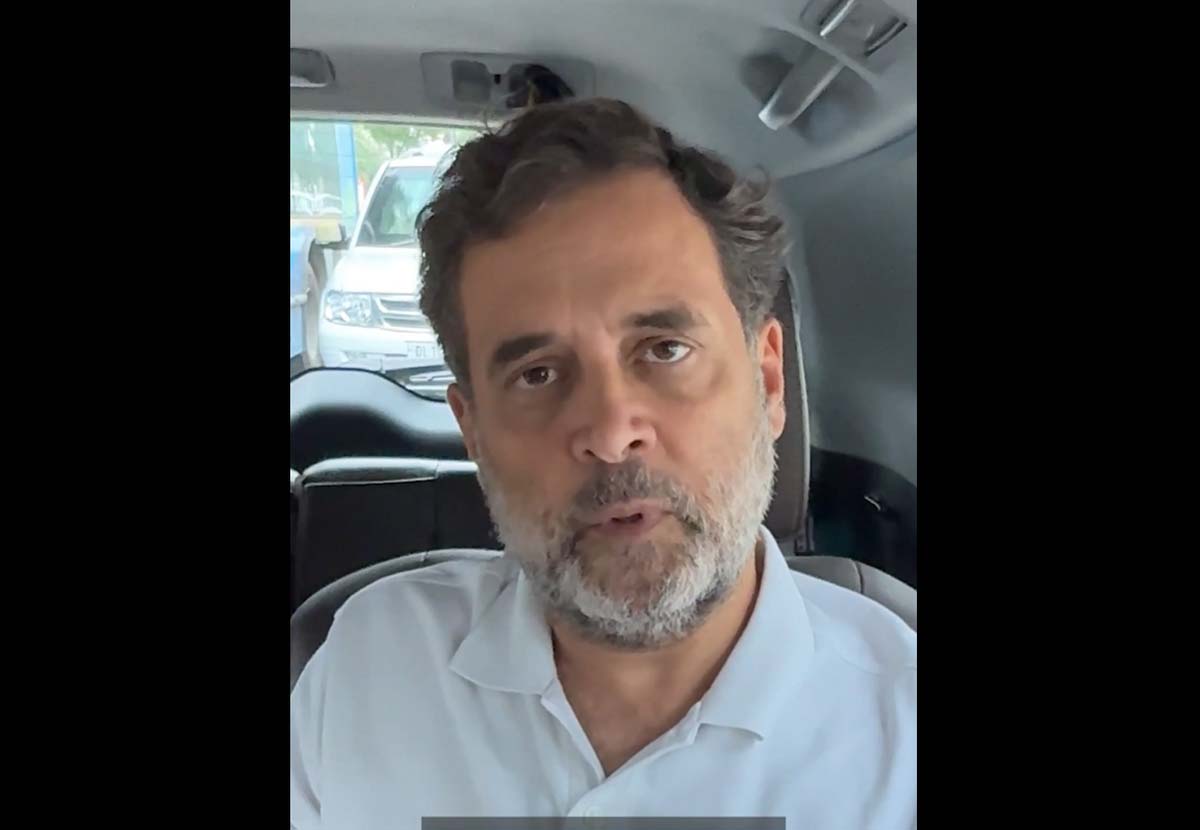
- Rahul Gandhi Urges Youth Protests for Women's Safety, Asserts Government Only Responds to Pressure
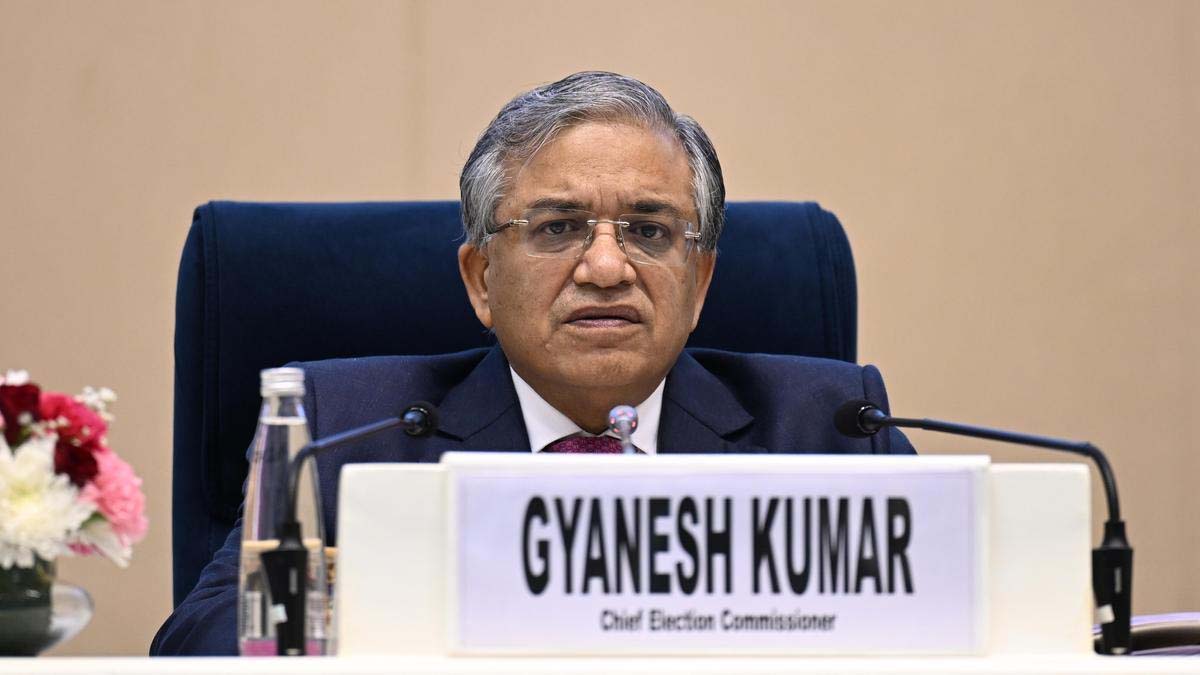
- Supreme Court Agrees to Hear Plea Against CEC Over Unilateral ECI Decisions
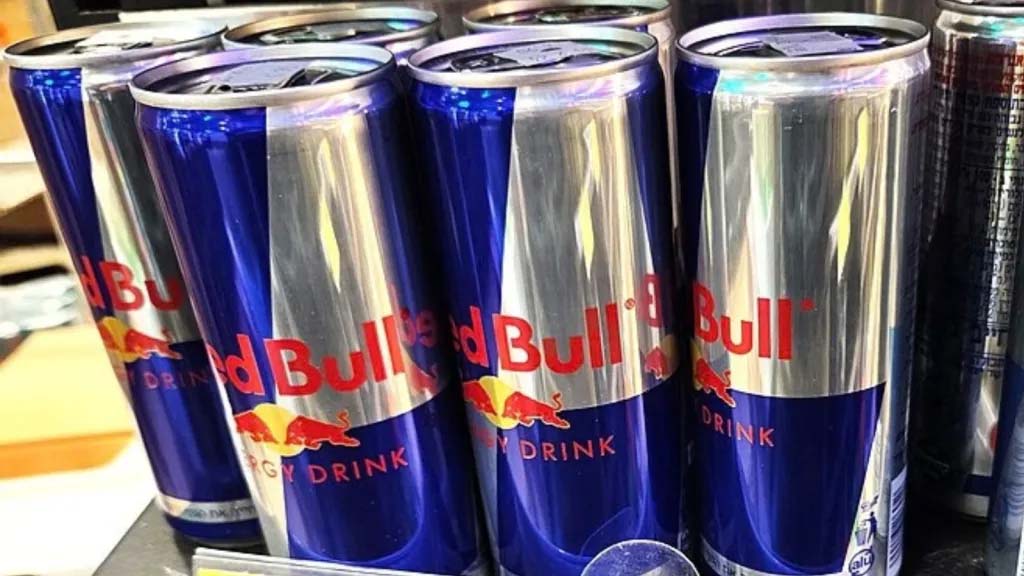
- Red bull challenges food safety regulatory ban on 'energy drink' label
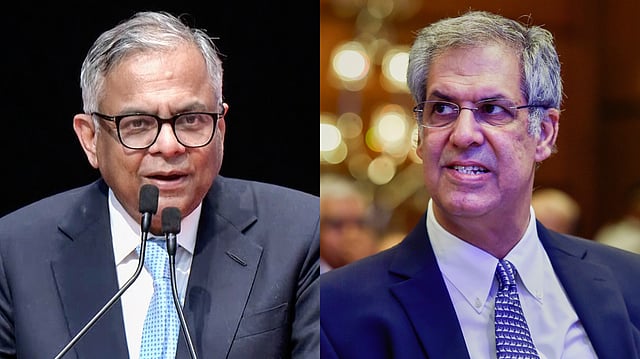
- Tata Trusts Proposes Tata Sons Restructuring to Avoid Mandatory IPO
- Vithya Ramraj Shatters PT Usha's 42-Year-Old National Record
- From Ludhiana Roots to Global Stage: Angad Singh Dhillon Appointed Canada's UAE Ambassador
Trump’s AI Rebrand: A Bold Pivot to ‘Super Intelligence’


Public Lokpal
September 30, 2026
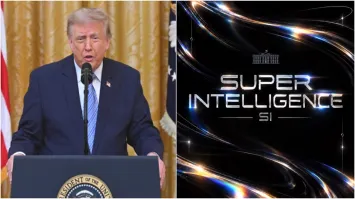
Trump’s AI Rebrand: A Bold Pivot to ‘Super Intelligence’
President Trump’s executive order replacing "Artificial Intelligence" with "Super Intelligence" (SI) is a striking rhetorical pivot, but its real-world impact remains uncertain.
By dismissing "artificial" as making the technology sound "fake," Trump underscores a valid communication hurdle: the current terminology often fails to capture the profound, transformative weight of machine intelligence.
Elevating the nomenclature aligns with his administration's hyper-competitive framing—that SI is "much bigger than the Internet" and the ultimate geopolitical prize.
However, rebranding a sector by executive decree does little to change the underlying technology, data privacy hurdles, or energy constraints.
While federal agencies must now update their policy documents and websites within a 60-day window, the global tech industry will likely continue using standard terminology.
Ultimately, while the name change successfully commands the news cycle and highlights high-stakes national security priorities, it remains largely cosmetic.
Whether the administration can leverage this rhetoric into effective policy, robust infrastructure investments, and international cooperation will define the true legacy of this directive.