








BIG NEWS
- Air India Fires Pilot After Drug Test Linked to Severe Turbulence Incident
- PSEB Sets National Benchmark With UIDAI Paperless Integration
- Right-Wing Influencer Swatantra Bhardwaj Detained in Bulandshahr Over Alleged Assault
- FBI Adds India-Born Manjit Singh Bedi to Most Wanted List for $600K SNAP Fraud
- IndiGo Aircraft Collides with Guidance Pole at Srinagar Airport
- Ram Temple Trust's First Woman Member Recalls Shock of WhatsApp Offer
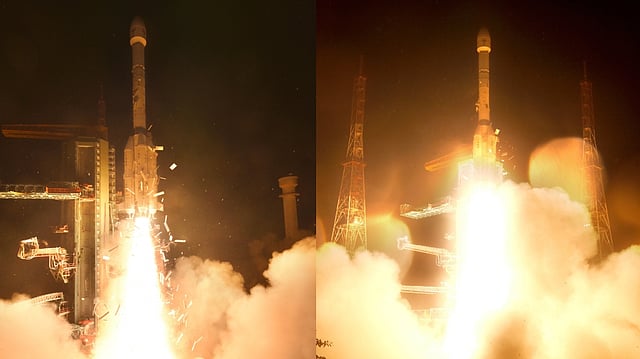
- ISRO Successfully Launches EOS-05: India’s First Geosynchronous Imaging Satellite
- NTA Seeks AICTE Assistance to Transition NEET-UG to Computer-Based Format
- TMC Defection Crisis: Speaker Grants Rebels Extension Until Sept 22
- Allahabad HC Quashes NSA Detention of Aakriti Chaudhary, Orders Rs 5 Lakh Compensation
Hanging Glaciers: India’s Hidden High-Altitude Threat


Public Lokpal
August 30, 2026
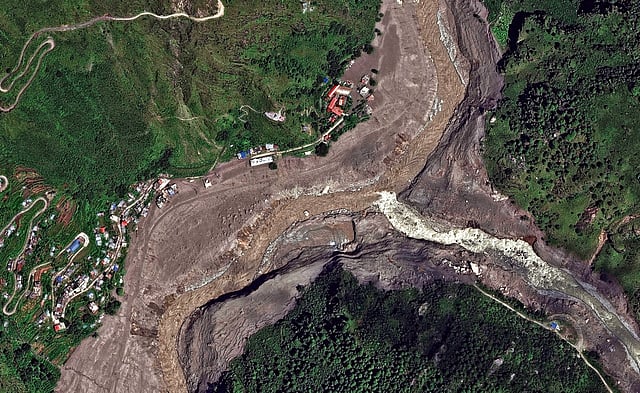
Hanging Glaciers: India’s Hidden High-Altitude Threat
Hanging glaciers are unstable masses of ice perched precariously on steep mountain cliffs. Unlike valley glaciers, they terminate abruptly on high gradients, making them uniquely vulnerable to sudden structural collapse.
In India’s Himalayas, these formations present an escalating crisis driven by accelerated global warming.
As temperatures rise, the permafrost anchoring these ice bodies thaws, causing massive blocks of ice and rock to detach without warning.
The primary danger lies in their cascading secondary effects. When millions of tonnes of falling ice slam into narrow valleys or fragile high-altitude lakes, they unleash catastrophic flash floods, landslides, and glacial lake outburst floods (GLOFs).
Because the Himalayas have seen a rapid expansion of vulnerable hydropower projects, roads, and human settlements, these sudden avalanches threaten thousands of lives and critical infrastructure.
Enhanced satellite monitoring and advanced early warning systems are becoming vital to mitigate these unpredictable disasters.