






BIG NEWS
- Air India Fires Pilot After Drug Test Linked to Severe Turbulence Incident
- PSEB Sets National Benchmark With UIDAI Paperless Integration
- Right-Wing Influencer Swatantra Bhardwaj Detained in Bulandshahr Over Alleged Assault
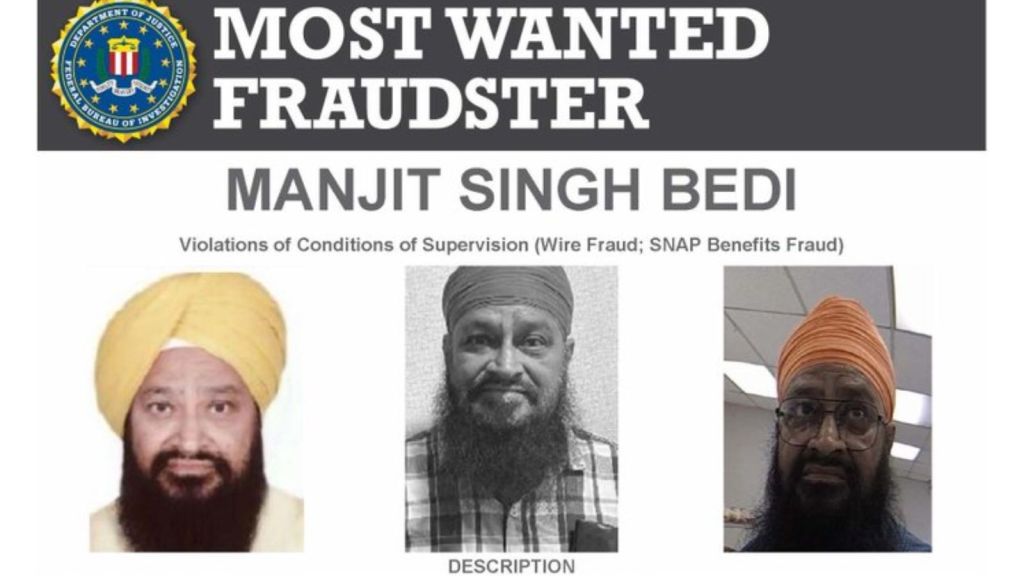
- FBI Adds India-Born Manjit Singh Bedi to Most Wanted List for $600K SNAP Fraud
- IndiGo Aircraft Collides with Guidance Pole at Srinagar Airport
- Ram Temple Trust's First Woman Member Recalls Shock of WhatsApp Offer
- ISRO Successfully Launches EOS-05: India’s First Geosynchronous Imaging Satellite
- NTA Seeks AICTE Assistance to Transition NEET-UG to Computer-Based Format
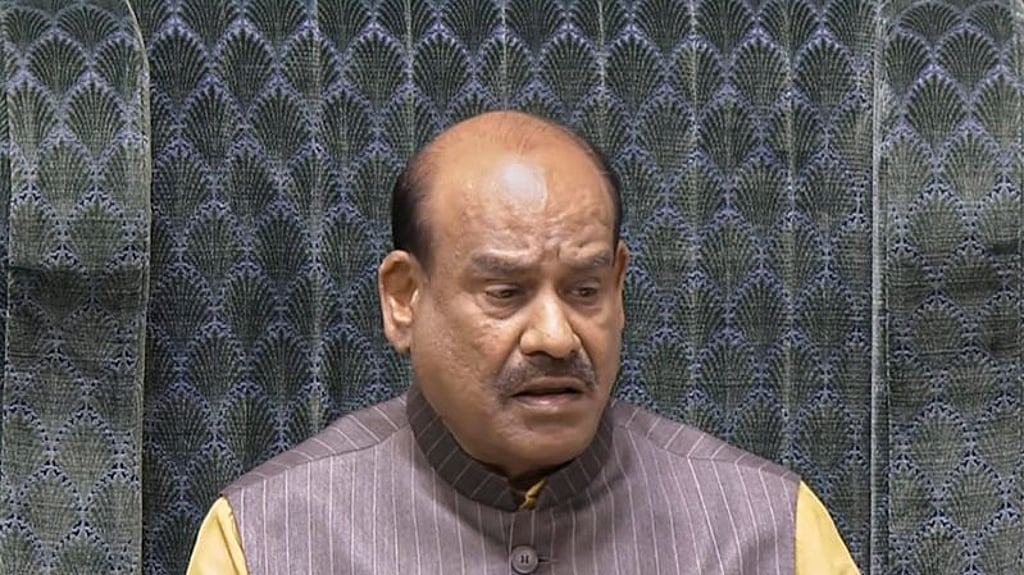
- TMC Defection Crisis: Speaker Grants Rebels Extension Until Sept 22
- Allahabad HC Quashes NSA Detention of Aakriti Chaudhary, Orders Rs 5 Lakh Compensation
Supreme Court Rules Bar Council Cannot Regulate Law Students


Public Lokpal
September 03, 2026
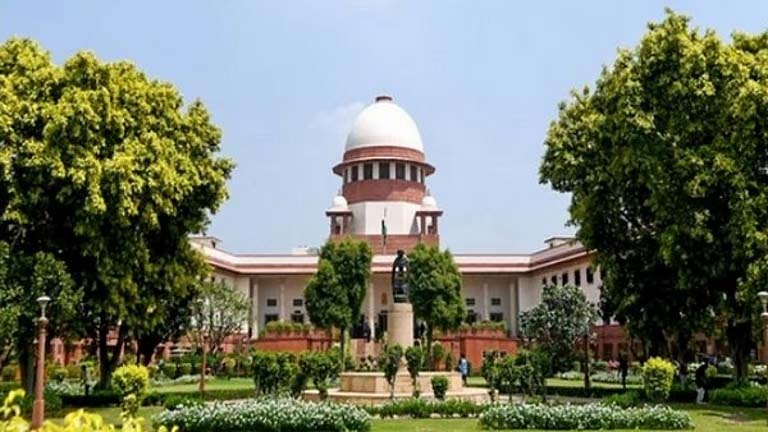
Supreme Court Rules Bar Council Cannot Regulate Law Students
The Supreme Court ruled that the Bar Council of India has no statutory authority to regulate the conduct of law students or exercise disciplinary jurisdiction over them, settling the NALSAR controversy.
A bench comprising Justices Surya Kant, Joymalya Bagchi, and V Mohana quashed BCI communications and notifications targeting protesting students and the 2026 graduating batch, making interim protection orders absolute. The court clarified that the Advocates Act, 1961, grants disciplinary powers exclusively over enrolled advocates, not individuals currently pursuing an LLB.
Disciplinary control over enrolled students rests solely with their respective universities under internal institutional bylaws. The dispute stemmed from a BCI backlash against NALSAR University of Law students who protested a convocation guest. Although the BCI withdrew its circulars following widespread criticism, the apex court delivered this definitive verdict to establish clear jurisdictional boundaries between statutory bodies and academic institutions.