



BIG NEWS
- Ramayana: Part 1 Confirms Unified Worldwide Release on November 5
- Torrential Downpours Lash Delhi-NCR: IMD Issues Red Alert as Rain Disrupts Daily Routine
- CJI Rejects Opposition Meeting Request Over ‘Vote Chori’ Allegations, Cites Sub Judice Status
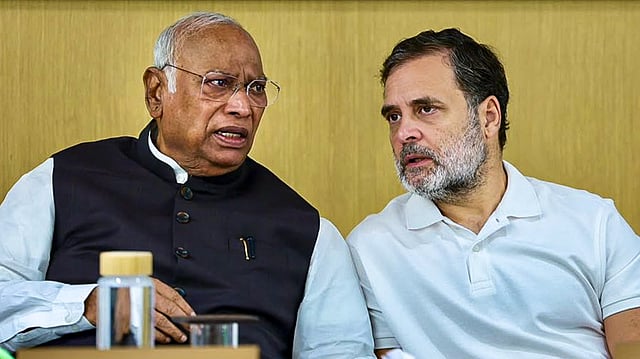
- Congress Chief Kharge and Rahul Gandhi to Meet CJI Over 'Vote Chori' and 'Undeclared Emergency'
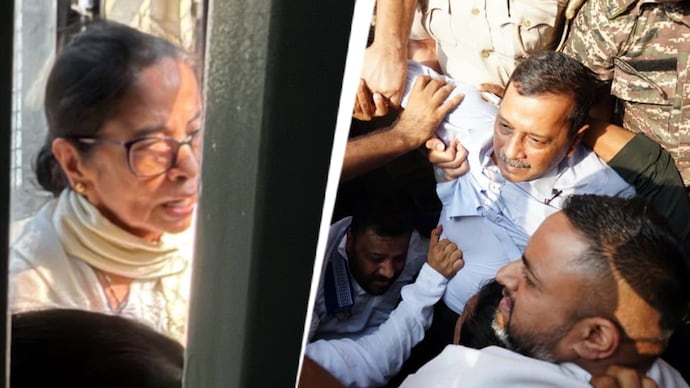
- Protests in Delhi: SC directs no illegal detention, restoration of internet and metro services
- Supreme Court Holds Rare Sunday Hearing on Delhi Protest Contempt and Detentions
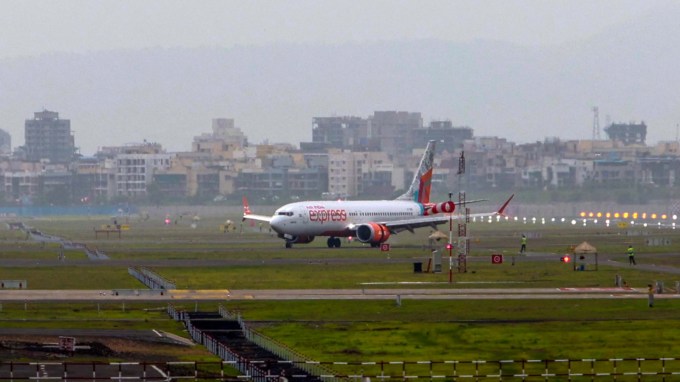
- Airlines Demand Safety Audit Amid Standoff Over NMIA Flight Shifts
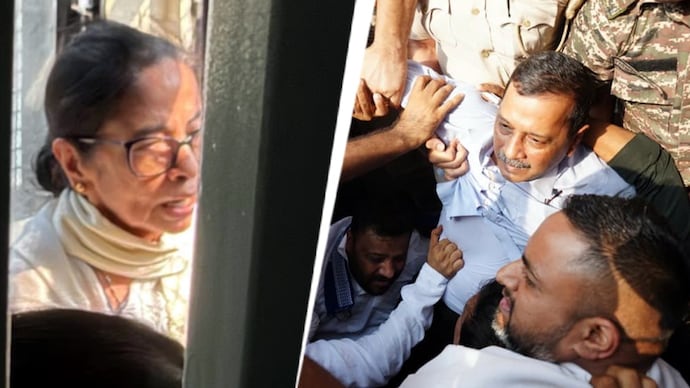
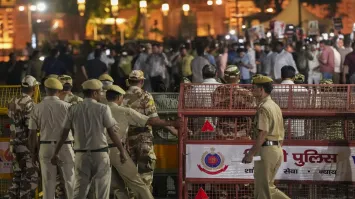
- Delhi Lockdown: Over 2,000 Detained as Defiant CJP Protesters Defy Ban to March on Jantar Mantar
- Delhi Lockdown-Like Security: What Shuts and Survives During CJP’s Jantar Mantar March
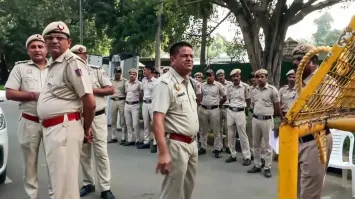
- Delhi Police Detains Individuals With Criminal Records Ahead of CJP Protest
Supreme Court Holds Rare Sunday Hearing on Delhi Protest Contempt and Detentions


Public Lokpal
October 11, 2026
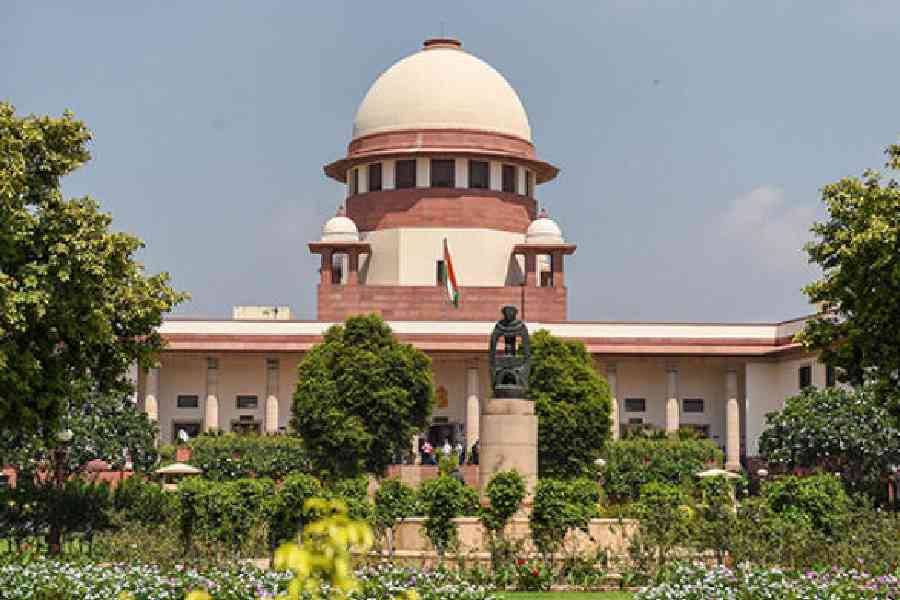
Supreme Court Holds Rare Sunday Hearing on Delhi Protest Contempt and Detentions
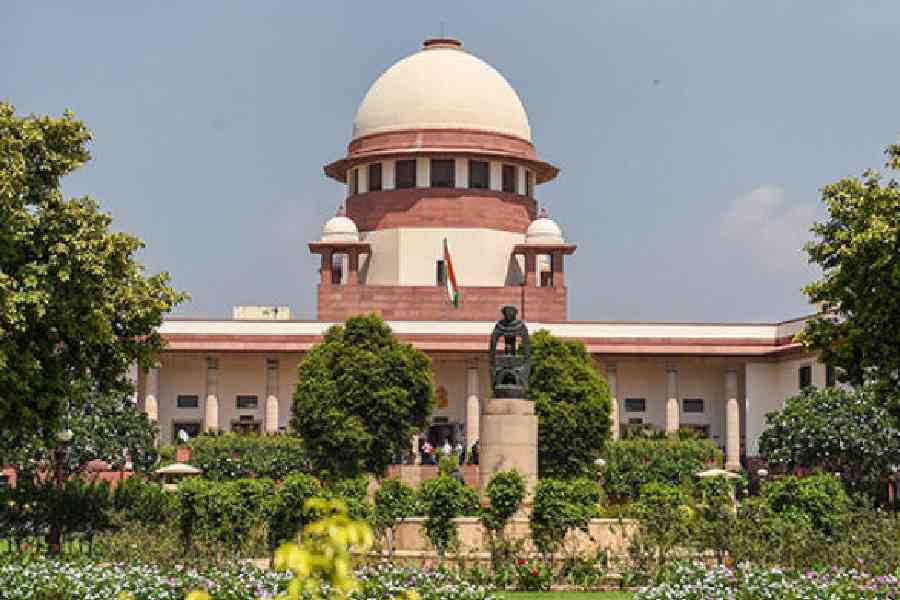
The Supreme Court is convening a special Sunday sitting to hear crucial petitions addressing heavy security clampdowns, transit halts, and mass preventive detentions during demonstrations in Delhi.
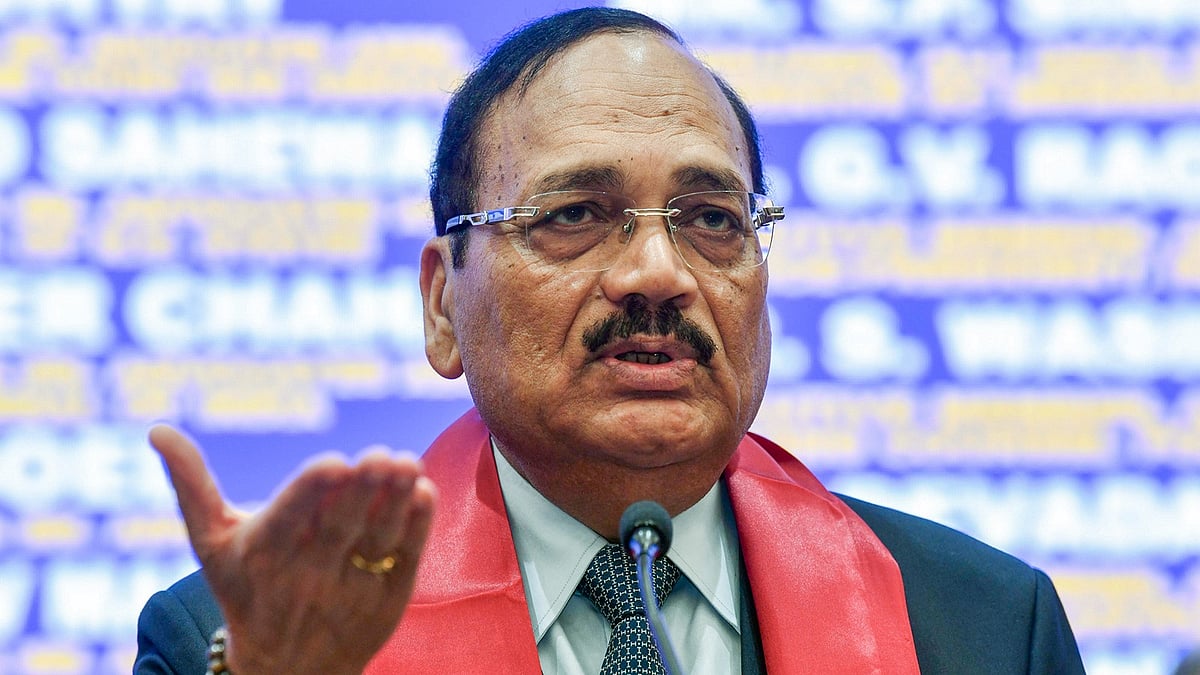
A bench comprising Justices Joymalya Bagchi and V Mohana is reviewing a contempt petition alleging that authorities willfully violated judicial directions by shutting down Delhi Metro stations and public transport arteries.
The contempt action names top government and transit officials, including the Union Home Secretary, Delhi Police Commissioner, and the Delhi Metro Rail Corporation chairperson.
Simultaneously, the bench is evaluating habeas corpus and urgent pleas filed by prominent advocates and political figures.
These petitions challenge the widespread, pre-emptive detention of opposition leaders, student activists, and civilians, alongside alleged disproportionate police force and restricted fundamental rights to peaceful assembly.
The special proceedings underscore intense judicial scrutiny over executive measures implemented to manage public unrest in the capital, with senior counsels and top police leadership presenting arguments on compliance and civil liberties.