







BIG NEWS
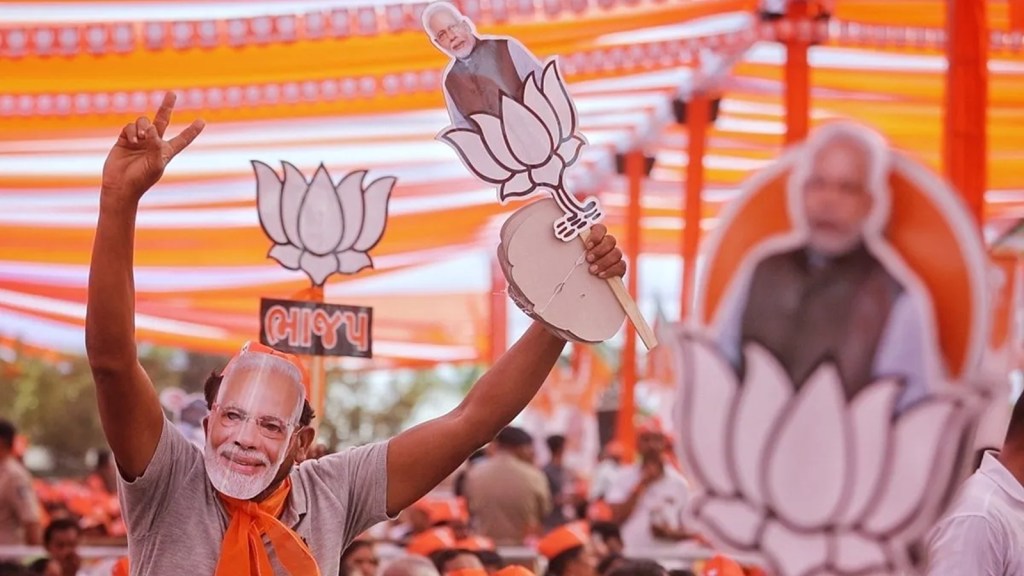
- President Droupadi Murmu Appoints New Governors Across Six States
- SC Flags 14 Defects in Rahul Gandhi’s Petition Against Election Commission
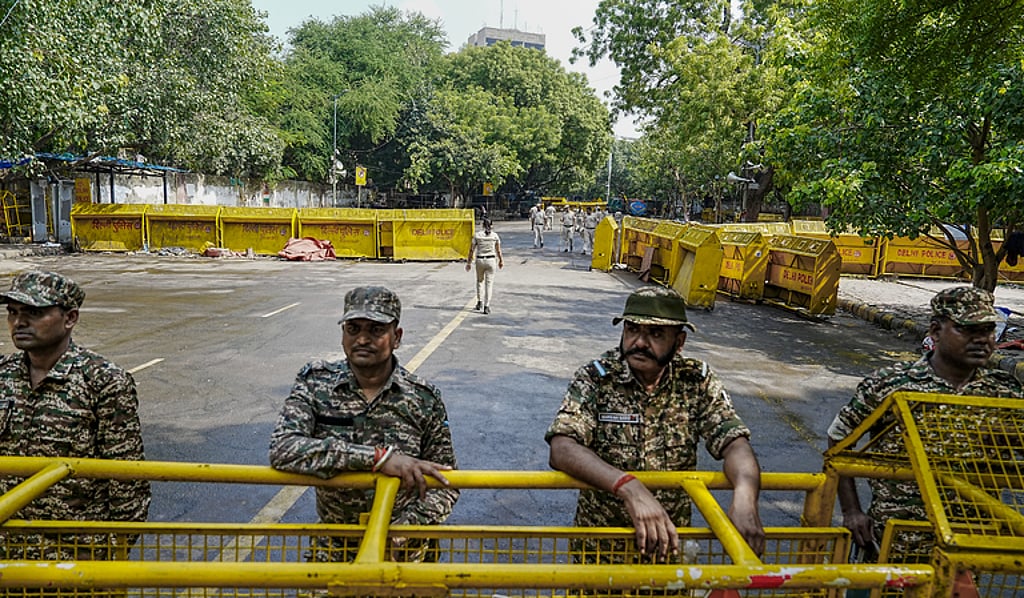
- End of an Era: Jantar Mantar Stripped of Protest Site Status; Delhi Police Names 3 New Venues
- Retail Inflation Hits 14-Month High of 5.54% as Food and Vegetable Prices Soar
- Ramayana: Part 1 Confirms Unified Worldwide Release on November 5
- Torrential Downpours Lash Delhi-NCR: IMD Issues Red Alert as Rain Disrupts Daily Routine
- CJI Rejects Opposition Meeting Request Over ‘Vote Chori’ Allegations, Cites Sub Judice Status
- Protests in Delhi: SC directs no illegal detention, restoration of internet and metro services
- Supreme Court Holds Rare Sunday Hearing on Delhi Protest Contempt and Detentions
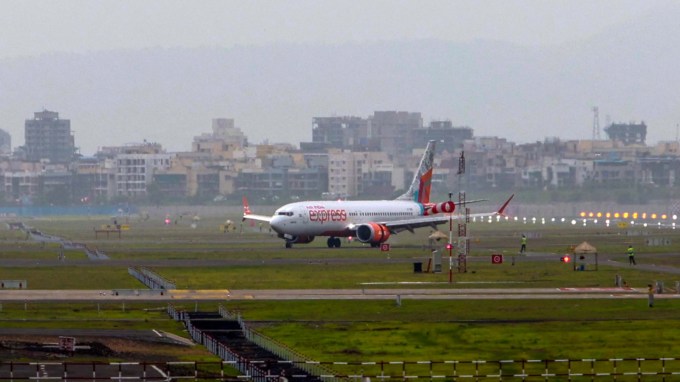
- Airlines Demand Safety Audit Amid Standoff Over NMIA Flight Shifts
Retail Inflation Hits 14-Month High of 5.54% as Food and Vegetable Prices Soar


Public Lokpal
October 12, 2026
Retail Inflation Hits 14-Month High of 5.54% as Food and Vegetable Prices Soar
India’s retail inflation surged to a 14-month high of 5.54% in September, driven primarily by a sharp, weather-induced spike in vegetable and food prices.
Consumer Price Index (CPI) data released by the Ministry of Statistics and Programme Implementation showed headline inflation rising steeply from 4.83% in August, breaching the Reserve Bank of India’s (RBI) medium-term target of 4.00%.
The food basket was the main inflation engine, with Consumer Food Price Inflation jumping to 7.74% from 5.97% in the previous month.
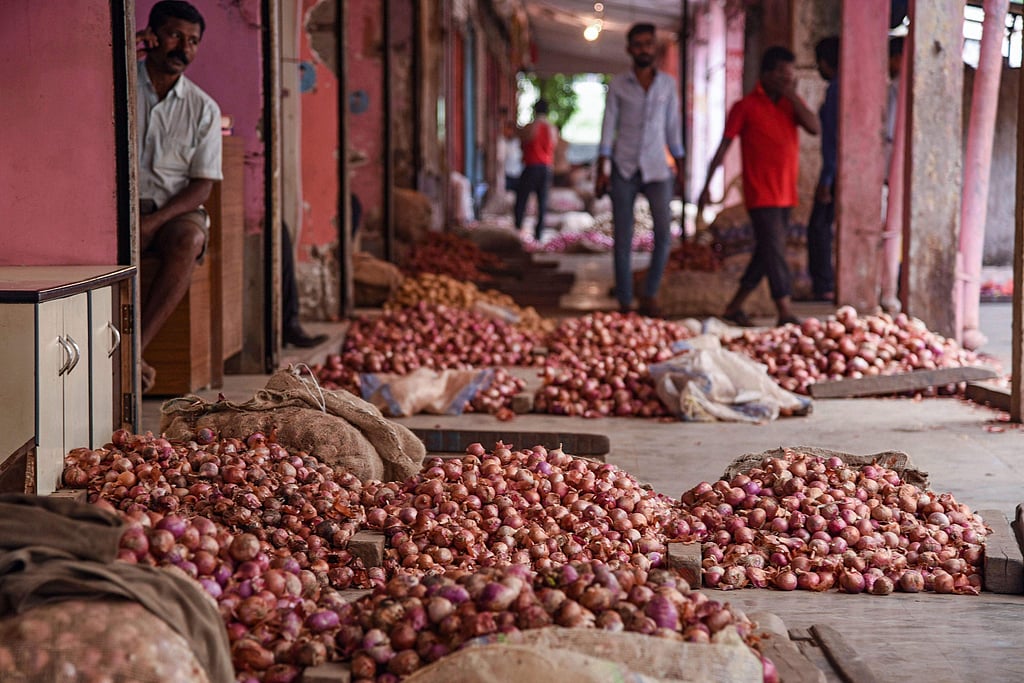
Kitchen budgets were hit hardest by basic staples: onion prices surged by a staggering 108% year-on-year, while prices for garlic, ginger, and lemons posted gains of up to 54%.
Adverse monsoon conditions, unseasonal rain disrupted harvests, and supply-chain logistics delays in major agricultural belts worsened supply deficits across regional wholesale markets.
Rural households bore a heavier burden, experiencing 6.08% inflation compared to 4.88% in urban regions.
To cool domestic prices and maintain consumer affordability, the government mobilized buffer stock releases through direct retail outlets ("Kanda Express"), while the central bank maintains a cautious stance on food supply volatility affecting long-term rate cuts.