








BIG NEWS
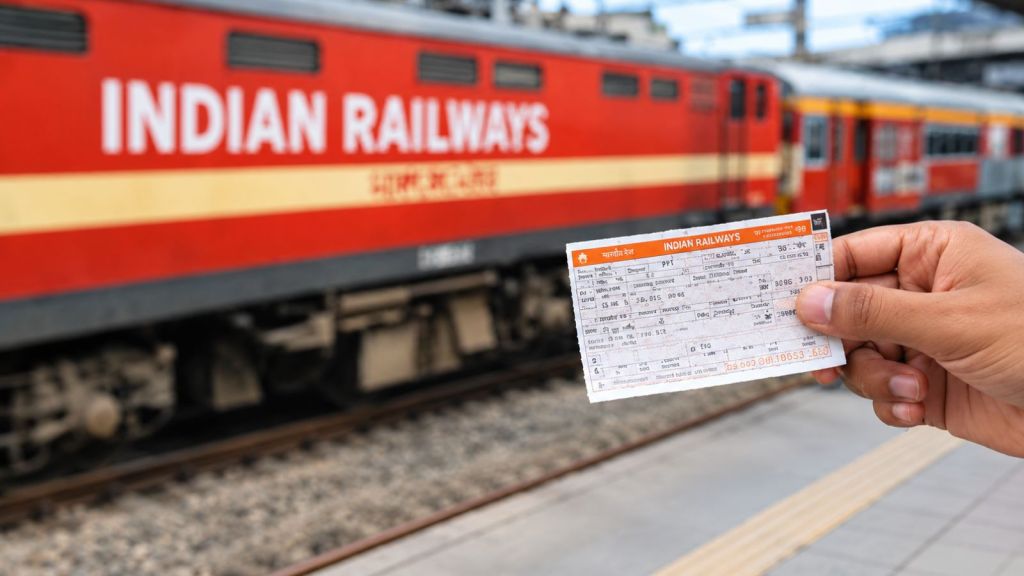
- Supreme Court Mandates Insurance for All Offline Train Tickets Starting October 27
- Death for Muskan and Sahil in Blue Drum Case
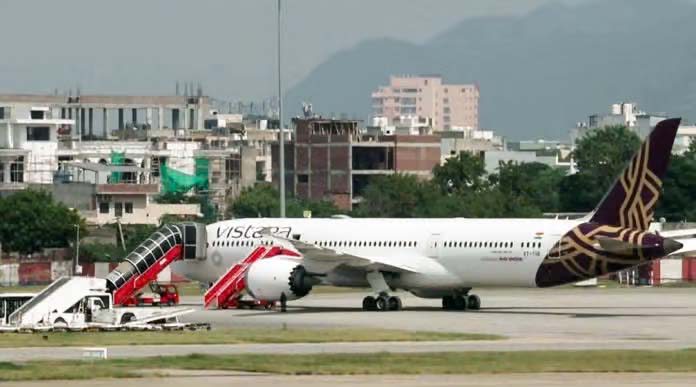
- Air India Frankfurt-Delhi Flight Diverts to Jaipur After Security Scare
- Bilateral Stalemate Extradition Tensions and India-Bangladesh Relations at Crossroads
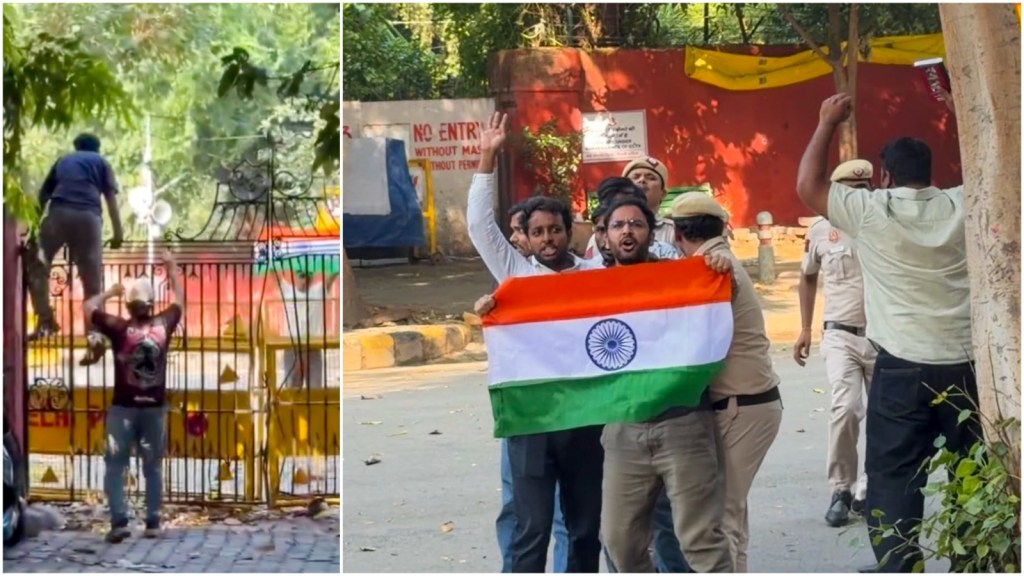
- CJP Leaders Detained After Defying Jantar Mantar Protest Ban
- Vatican Confirms Lung Cancer Diagnosis for Pope Leo XIV Following Successful Surgery
- Chhattisgarh's Wildlife Revival: Gomarda Sanctuary Set to Welcome 50 Blackbucks After 50 Years
- Breaking Bad Star RJ Mitte Remembered for Authenticity and Heart After Dying at 34
- Mohanlal Hails Ajay Devgn’s Drishyam The Conclusion as a Job Well Done
- Madras HC Upholds TN Assembly Speaker's Decision Accepting Resignations of Six AIADMK MLAs
Bilateral Stalemate Extradition Tensions and India-Bangladesh Relations at Crossroads


Public Lokpal
October 14, 2026
Bilateral Stalemate Extradition Tensions and India-Bangladesh Relations at Crossroads
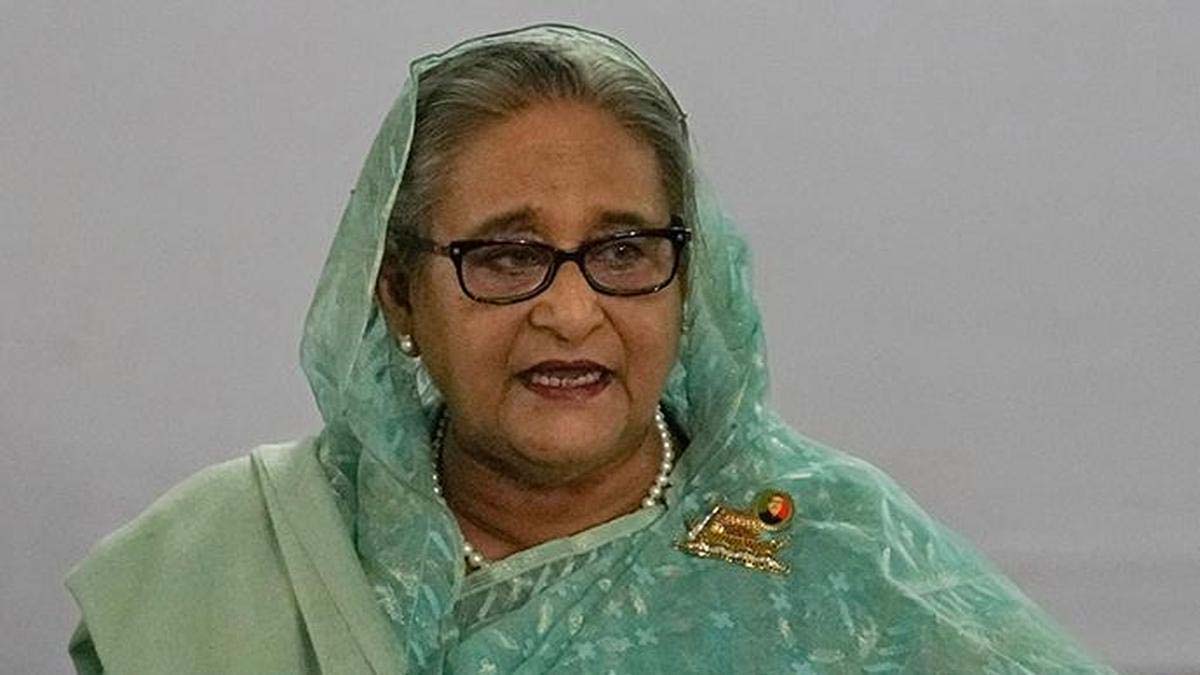
New Delhi: India-Bangladesh relations face a critical crossroads following the political transition in Dhaka. Bilateral ties have shifted from a phase of close alignment to a complex diplomatic stalemate, anchored primarily by the contentious issue of Sheikh Hasina's extradition. While Dhaka has formally pressed for her return to face domestic legal proceedings, New Delhi confronts difficult strategic and legal choices regarding the extradition treaty, creating immediate friction.
Beyond the extradition deadlock, broader geopolitical shifts are testing the relationship. New Delhi remains focused on regional security, border management, and the protection of minority populations, whereas Dhaka is increasingly prioritizing strategic diversification and independent foreign policy objectives. Despite this political standoff, foundational economic dependencies remain deeply intertwined. Cross-border energy pipelines, transit corridors, and multi-modal connectivity projects are vital for both economies, making a complete decoupling unviable.
Ultimately, both nations must navigate this delicate transitional phase with pragmatism. Preserving regional stability, ensuring effective border cooperation, and insulating economic integration from political volatility will be essential to steering this crucial partnership past its current stalemate.