











BIG NEWS
- Revolutionizing Neuroscience: The 2026 Nobel Prize in Medicine
- Mayawati Reinstates Akash Anand as BSP National Coordinator Once Again
- Supreme Court Clarifies: No Official Approval for Modified Form 6
- BJP Overhauls UP Rajya Sabha List, Drops Puri and Incumbents
- Inside the Rs 1,200-Crore Rebirth of Sabarmati Ashram
- US Withdraws B-1 Bombers from RAF Fairford Amid Security Threat
- Russian Lab Worker Dies of Suspected Plague Leak as 200 Quarantined
- Uttar Pradesh Government Renames Bhadohi District to Sant Ravidas Nagar Bhadohi
- India-Pakistan Rivalry Drives Asian Games Broadcasting History
- Akhilesh Yadav Emphasizes Alliance Victory Over Seat-Sharing for 2027 UP Polls
Ship-to-Ship Transfers Revive India's West Asian Oil Imports Amid Russian Flow Pressures


Public Lokpal
October 03, 2026
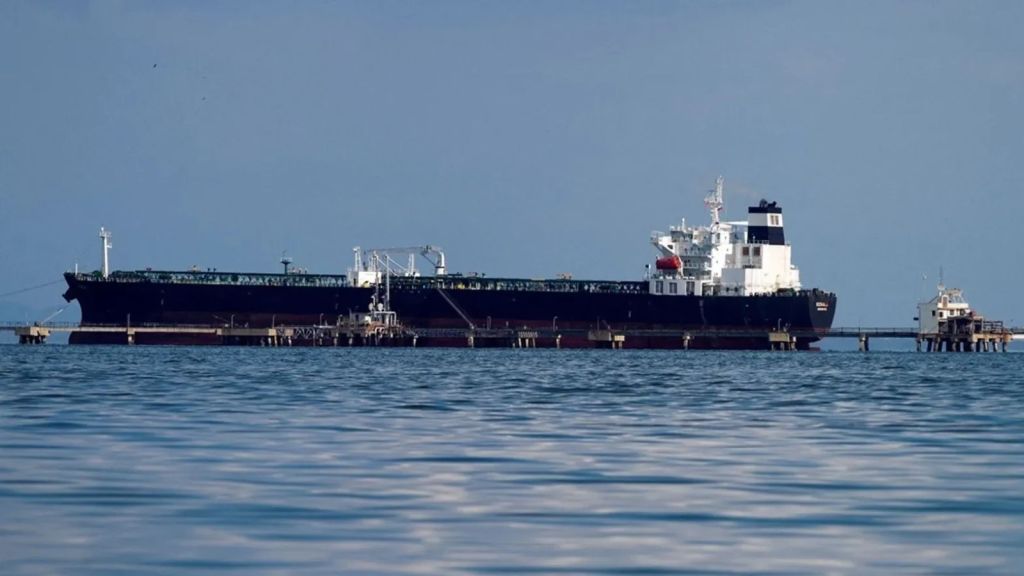
Ship-to-Ship Transfers Revive India's West Asian Oil Imports Amid Russian Flow Pressures
India's crude oil import strategy is undergoing a dynamic realignment as refiners navigate regional chokepoints and logistical hurdles.
Imports from key West Asian producers—including Iraq, Saudi Arabia, Kuwait, and Qatar—have rebounded sharply.
To bypass severe transit risks and bottlenecks along traditional routes like the Strait of Hormuz, suppliers are increasingly utilizing ship-to-ship (STS) transfers, ensuring a steady and reliable flow of feedstock to Indian refineries.
Concurrently, Russian crude oil imports have faced mounting supply and logistical pressures, pulling back to multi-month lows.
This contraction stems from tightening international sanctions, heightened export competition from China, and domestic Russian refinery demands following regional energy infrastructure disruptions.
Despite these shifting dynamics, Russian crude retains a substantial baseline share due to competitive historical pricing. However, the resurgence of West Asian supplies via innovative logistics provides critical flexibility, safeguarding national energy security.