




BIG NEWS
- BJP Overhaul: Ram Madhav and Smriti Irani Return in Major National Team Reshuffle
- Rajasthan Bans Outsiders in Schools After CJP's Inspection announcement
- Shehzad Poonawalla Sends Second Letter to BJP Pressing for Resignation Acceptance
- Shravan Month Horror: Cable Pole Collapse Rumors Spark Deadly Stampede in Lakhisarai
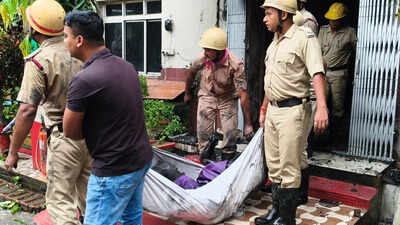
- Tragedy in Tarapith: Hotel Fire Kills Seven Pilgrims in West Bengal
- 85% of Indian Cities Fail WHO Air Quality Standards in July
- Varanasi Airport Security Breach: Passenger's Declared Firearm Discharges Accidentally, Two Hurt
- Wildlife SOS CEO Under Scanner for Alleged Poaching Nexus in Major Leopard Skin Scandal
- SRK, Ajay Devgn, and Tiger Shroff Receive Maharashtra FDA Notices Over Vimal Elaichi Ads
- Former Bengal Assembly Deputy Speaker Asish Banerjee Found Dead in Birbhum TMC Office
85% of Indian Cities Fail WHO Air Quality Standards in July


Public Lokpal
August 17, 2026
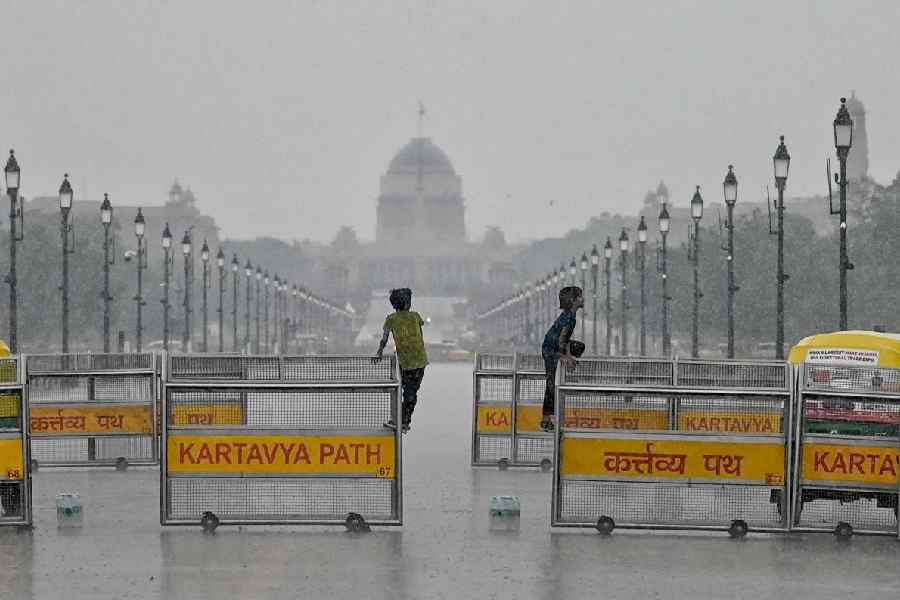
85% of Indian Cities Fail WHO Air Quality Standards in July
A recent CREA report reveals a persistent air quality crisis in India, with approximately 85% of cities failing to meet the World Health Organization’s daily safe guidelines for PM2.5 in July.
Despite monsoon rains typically washing away pollutants, 215 out of 256 monitored cities recorded monthly average PM2.5 levels exceeding the global benchmark of 15 micrograms per cubic meter.
The Indo-Gangetic Plain emerged as a major hotspot, with Bihar's Aurangabad and Manguraha recording alarmingly high pollution concentrations.
Conversely, Dombivli in Maharashtra registered the cleanest air at 4 micrograms per cubic meter.
While major metros like Delhi, Mumbai, and Bengaluru stayed within India's more lenient national standard of 60 micrograms per cubic meter, the findings underscore that localized emissions—such as vehicular traffic, dust, and industrial output—continue to drive severe air quality challenges even during the wet season.