









BIG NEWS
- US Ends 'Duration of Status' for International Students Starting from 15 September
- CBI Registers FIR in Disha Salian Death Case, Names Aaditya Thackeray and Rhea Chakraborty
- Tarun Tejpal Surrenders in Goa After High Court Overturns 2021 Acquittal
- Ganesh Chaturthi 2026 Begins: Nation Welcomes Bappa With Grand Celebrations And Strict Security
- Decibels Down, Tensions Up: Maharashtra’s Ganpati DJ Crackdown
- Noida DM Medha Roopam Approaches Supreme Court Over Allahabad HC Salary Deduction Ruling
- Russia Turns to India for Record Fuel Imports Amid Refinery Strikes
- Odisha Police Probe Adult Star's Stay at Rourkela Circuit House
- BRICS New Delhi Declaration: Four Pillars of Global South Leadership
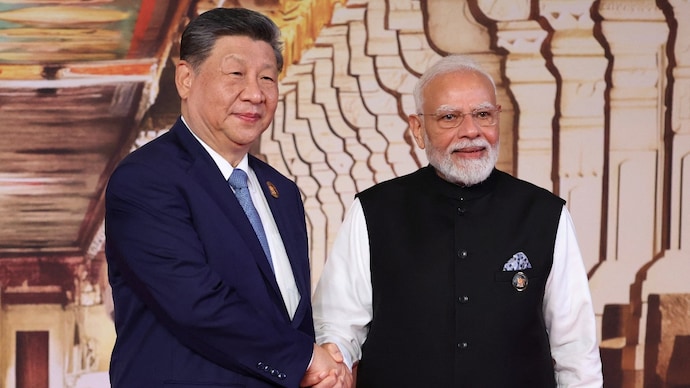
- Xi Jinping Skips PM Modi’s BRICS Gala Dinner Following Bilateral Talks
US Ends 'Duration of Status' for International Students Starting from 15 September


Public Lokpal
September 14, 2026

US Ends 'Duration of Status' for International Students Starting from 15 September
Beginning September 15, 2026, the Department of Homeland Security eliminates the traditional "Duration of Status" (D/S) framework for F-1, J-1, and I visa holders.
International students will no longer receive open-ended I-94 admissions, transitioning instead to fixed Admit Until Dates capped at a maximum of four years per program level.
The regulatory update also slashes the post-graduation grace period from 60 days down to 30 days. Students needing extra time to complete degree requirements or transition to Optional Practical Training (OPT) must now file formal Extension of Stay applications with USCIS rather than relying solely on institutional SEVIS updates.
While students already physically inside the United States retain protections until they travel abroad, anyone crossing the border on or after September 15 immediately triggers the new fixed-admission rules.
International offices strongly advise students to coordinate closely with their Designated School Officials to review current Form I-20 end dates and avoid unauthorized overstays under the revised compliance framework.