









BIG NEWS
- Tragedy Strikes Bihar: Deadly Blast at Illegal Firecracker Factory Leaves Several Feared Dead
- Delhi HC Refuses to Quash Rs 10,000 Peace Bond Notice for AISA Chief Neha Bora
- Karnataka CM DK Shivakumar Meets Poland PM Donald Tusk to Boost Tech and Trade Partnerships
- FIR Filed After 10,470 Irregular Voter Entries Flagged in Uttar Pradesh Assembly Seat
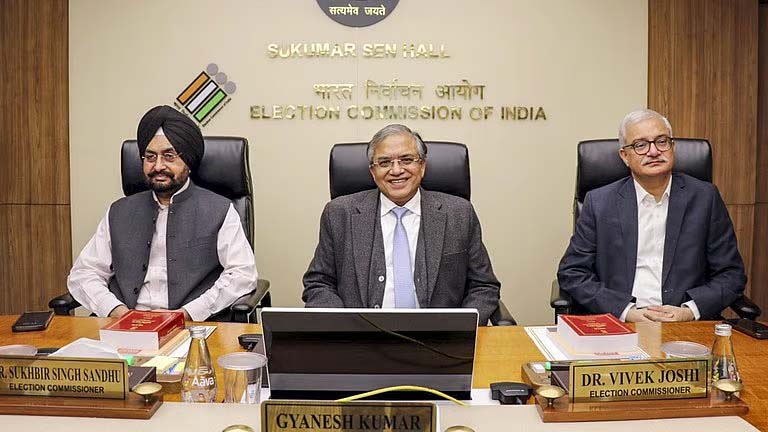
- Cabinet Secretariat Declines Direct Interference in Poll Panel Dispute
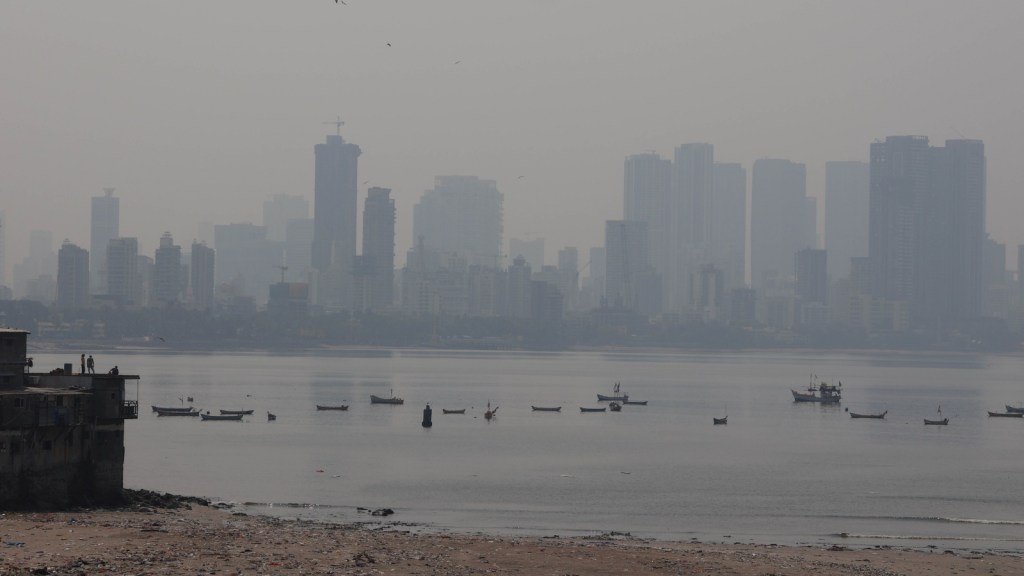
- High Court Slams Authorities as Mumbai Smog Surpasses Delhi
- INDIA Bloc Holds Virtual Meet to Finalize November 1 Rally and ‘Vote Chori’ Protests
- Censorship Controversy: Raihan Vadra’s Protest Art Removed Ahead of Delhi Exhibition
- Trump Administration Revokes Over 300,000 U.S. Visas in Historic Enforcement Drive
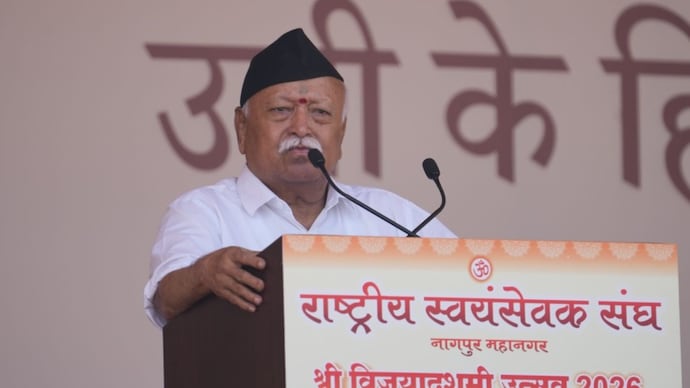
- RSS Chief Mohan Bhagwat Warns of 'Regime Change' Plots Against India
Tamil Nadu Water Crisis: Rain Deficit Leaves Over Half of State Dams Below 25% Capacity


Public Lokpal
October 03, 2026
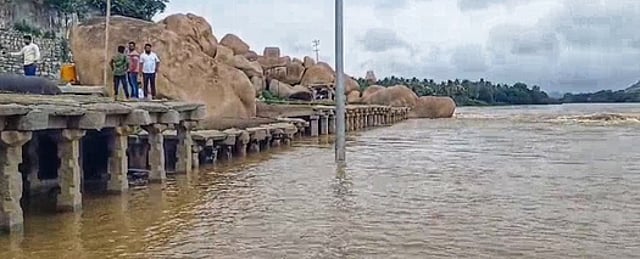
Tamil Nadu Water Crisis: Rain Deficit Leaves Over Half of State Dams Below 25% Capacity
Tamil Nadu is facing a severe water resource challenge as a prolonged rainfall deficit leaves more than half of the state's critical reservoirs operating at critically low levels of below 25% total storage capacity.
This mounting shortage poses a dual threat to agricultural irrigation for ongoing crop cycles and municipal drinking water security across several districts.
The state’s heavy reliance on the monsoon seasons has been severely tested by erratic precipitation patterns.
Major catchments in the Western Ghats and various river basins have experienced insufficient seasonal inflows, forcing water management authorities to implement strict rationing and conservation measures.
Compounding the issue, low storage in regional basins restricts the buffer capacity required to sustain communities through dry spells.
Authorities are closely monitoring daily reservoir levels while managing interstate water-sharing agreements and prioritizing drinking water over non-essential agricultural uses.
Experts emphasize that long-term mitigation will require aggressive rainwater harvesting, watershed management, and enhanced infrastructure to maximize storage efficiency during active monsoon windows.
Immediate conservation remains vital for both urban centers and rural farming communities as they navigate this acute resource strain.