








BIG NEWS
- Meta Agrees to Report Child Safety Cases to Indian Law Enforcement Amid Centre's Crackdown
- Government Bars Fees on UPI Payments Up to Rs 2,000 and RuPay Debit Cards
- NDA Allies Split Over UCC Push: JD(U) Rejects Bihar Rollout While TDP and Sena Back Shah's Call
- Rajasthan Civic Polls: BJP Edges Out Congress, Independents Dominate Chief Minister's Turf
- US Ends 'Duration of Status' for International Students Starting from 15 September
- CBI Registers FIR in Disha Salian Death Case, Names Aaditya Thackeray and Rhea Chakraborty
- Tarun Tejpal Surrenders in Goa After High Court Overturns 2021 Acquittal
- Ganesh Chaturthi 2026 Begins: Nation Welcomes Bappa With Grand Celebrations And Strict Security
- Decibels Down, Tensions Up: Maharashtra’s Ganpati DJ Crackdown
- Noida DM Medha Roopam Approaches Supreme Court Over Allahabad HC Salary Deduction Ruling
NDA Allies Split Over UCC Push: JD(U) Rejects Bihar Rollout While TDP and Sena Back Shah's Call


Public Lokpal
September 15, 2026
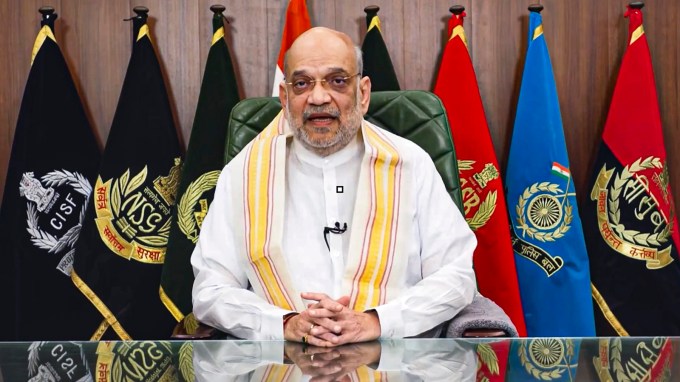
NDA Allies Split Over UCC Push: JD(U) Rejects Bihar Rollout While TDP and Sena Back Shah's Call
Union Home Minister Amit Shah’s push to implement the Uniform Civil Code (UCC) across NDA-ruled states before the 2029 Lok Sabha elections has exposed immediate fault lines within the ruling coalition.
Key allies have responded with contrasting stances tailored to their regional politics.
The Janata Dal-United (JD(U)) firmly ruled out implementing the UCC in Bihar, aligning with Chief Minister Nitish Kumar’s long-standing position that extensive dialogue and national consensus are prerequisites for any such legislation.
Conversely, the Telugu Desam Party (TDP) signaled support while emphasizing the necessity of consulting diverse stakeholders.
Meanwhile, Shiv Sena offered enthusiastic, unreserved backing, framing the move as vital for national unity and in line with its core Hindutva ideology.
Other regional partners adopted a cautious approach, choosing to wait for the formal legal blueprint before committing.
This friction highlights the delicate balancing act facing the central leadership. By encouraging states to spearhead implementation—following Uttarakhand's precedent—the strategy bypasses immediate parliamentary bottlenecks. Yet it risks straining regional alliances as coalition partners prioritize local demographic realities over national agendas.