

.jpeg)









BIG NEWS
- France Protests Escalate: Tear Gas Fired as Over 4 Lakh March Anti-Government
- November 1 Financial Deadlines: Key Rules Impacting Your Pocket
- Riyadh Airport Resumes Partial Operations Following Recent Attacks
- SAD Chief Sukhbir Singh Badal Meets Punjab Governor Over Jhota Killing, Demands CM Bhagwant Mann’s Dismissal
- Sonia Gandhi Makes Debut on X, Teases Upcoming Memoir Belonging A Journey of Love
- CM Omar Abdullah has announced Jammu and Kashmir Cabinet Expansion and Reshuffle to Take Place Next Week
- Tragedy Strikes Bihar: Deadly Blast at Illegal Firecracker Factory Leaves Several Feared Dead
- Delhi HC Refuses to Quash Rs 10,000 Peace Bond Notice for AISA Chief Neha Bora
- Karnataka CM DK Shivakumar Meets Poland PM Donald Tusk to Boost Tech and Trade Partnerships
- FIR Filed After 10,470 Irregular Voter Entries Flagged in Uttar Pradesh Assembly Seat
India Counts the Cost of a Brutal Monsoon, Weakest Since 2015


Public Lokpal
October 02, 2026
India Counts the Cost of a Brutal Monsoon, Weakest Since 2015
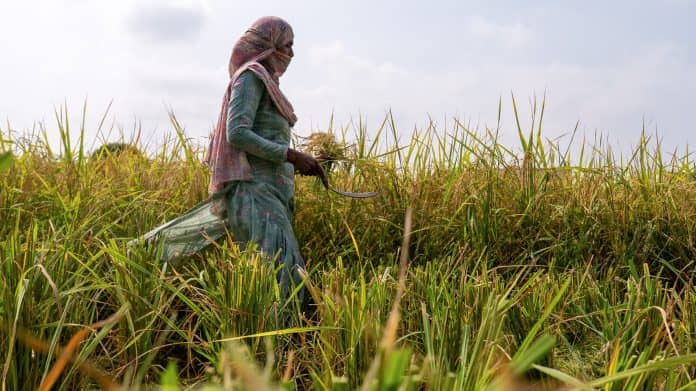
India's weakest monsoon since 2015, with an overall national rainfall deficit nearing 13%, has unleashed severe economic shockwaves from rural farming communities to urban high-street shopowners. The erratic and deficient rainfall severely compromised key Kharif crops like rice, soybeans, and pulses during critical growth cycles, driving up groundwater irrigation and fertilizer costs for millions of agrarian households.
This agricultural strain quickly cascaded into the retail sector. With rural incomes pinched and major tractor sales tumbling due to dampened sentiment, local shopowners and small-scale traders face a bleak outlook right ahead of the crucial festive and wedding shopping season. Depleted soil moisture and low reservoir levels have also complicated preparations for the upcoming winter Rabi sowing, raising dual concerns over prolonged rural financial distress and sticky food inflation.
Economists warn that unless policy interventions successfully stabilize food supplies and ease rural debt pressures, domestic consumer demand will remain subdued. From farm fields to local market storefronts, the monsoon's heavy toll highlights India's enduring vulnerability to erratic climate patterns and the urgent need for climate-resilient agricultural infrastructure.