







BIG NEWS
- Fake PMO Official and Armed Guard Detained at Mumbai Event Venue
- Rail Coach Milestones Contrast With Past Sanitation Record
- Samsung India Cuts Jobs Amid Surging Component Costs
- Jharkhand CID Arrests 11th Suspect in JSSC-CGL Exam Irregularities Probe
- Eiffel Tower Strike Highlights Clash Over Workplace Equality
- Lucknow Claims Top Spot in Swachh Vayu Survekshan 2026, Indore Secures Second
- Deadly Satya Niketan Collapse Puts Infamous 'Dog-Walking' IAS Officer Back in the Eye of the Storm
- Economic Nationalism or Anti-India Sentiment? Decoding Ruto's Corporate Crackdown
- Satya Niketan Tragedy: Police Register Culpable Homicide Case as MCD Targets Unauthorized Multi-Storey Buildings
- Nabha Jailbreak Mastermind Gurpreet Sekhon Joins AAP Ahead of Punjab Polls
Economic Nationalism or Anti-India Sentiment? Decoding Ruto's Corporate Crackdown


Public Lokpal
September 07, 2026
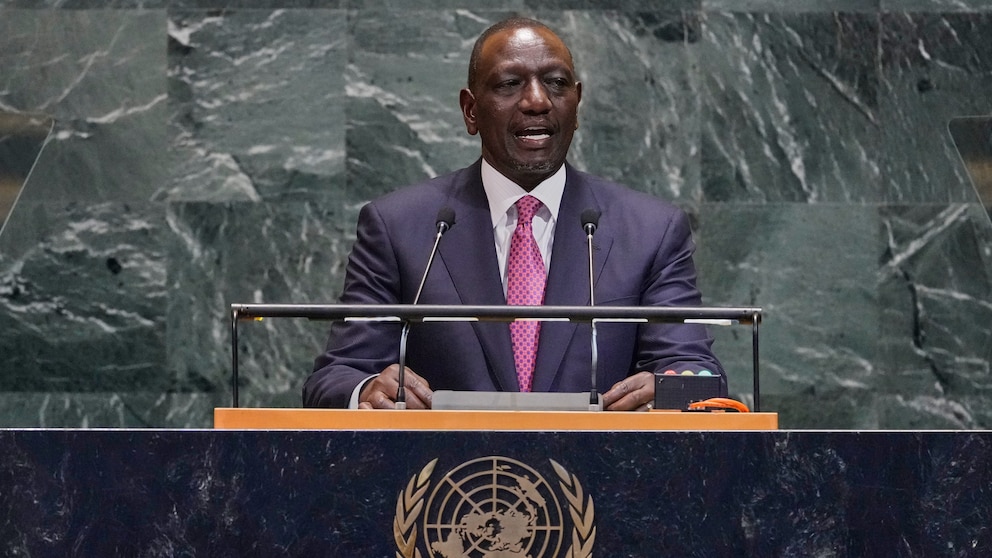
Economic Nationalism or Anti-India Sentiment? Decoding Ruto's Corporate Crackdown
Kenyan President William Ruto’s high-profile confrontations with Indian conglomerates—such as canceling the Adani Group’s airport proposal and ordering Tata Chemicals out of its Magadi soda ash operations—do not stem from a coordinated anti-India policy.
Instead, they signal a broader push toward aggressive economic nationalism.
Experts emphasize that Nairobi is increasingly rejecting legacy extractive models where foreign firms export raw resources without establishing domestic manufacturing infrastructure.
Ruto’s core grievance against Tata centers on a century of raw soda ash extraction without building local downstream industries like glass-processing plants in Kajiado County.
Concurrently, high-stakes infrastructure bids involving Adani faced intense domestic pushback over transparency and public assets.
Ultimately, these actions reflect a changing political landscape across Africa: foreign investors must move beyond basic resource extraction to deliver tangible local value addition, skills transfer, and domestic industrialization.