



BIG NEWS
- Delhi Police Arrest Four Women and Men in Tiger Shroff Car Firing Case
- Trump Administration Revokes Over 300,000 U.S. Visas in Historic Enforcement Drive
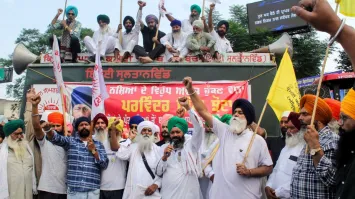
- CBI Takes Over Parvinder Singh Jhota Murder Probe, Sends Special Team to Punjab
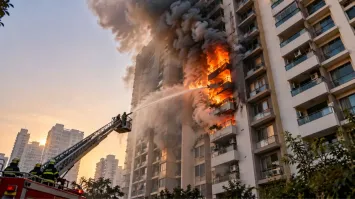
- Blaze Hits 13-Storey Kurla High-Rise; Nine Injured, Including Three Children
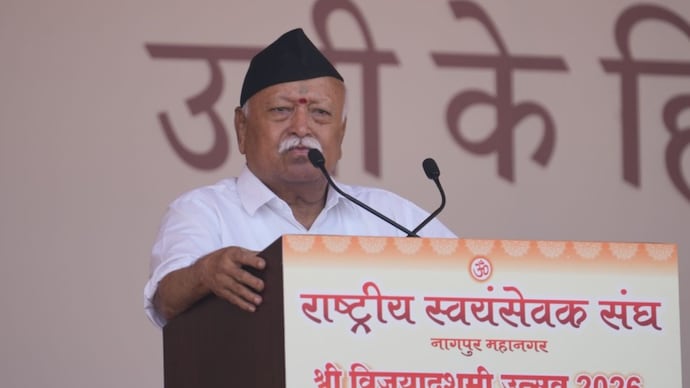
- RSS Chief Mohan Bhagwat Warns of 'Regime Change' Plots Against India
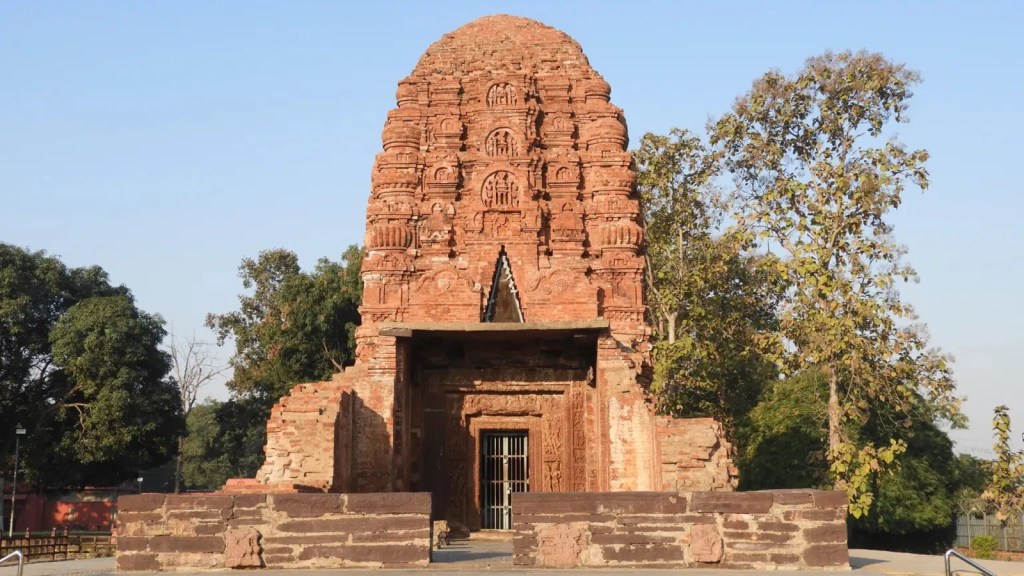
- Ancient Sirpur Included on UNESCO Tentative List
- Kota Police Detain Three Suspects in Connection with Firing at Tiger Shroff’s Car
- Bollywood Actor Tiger Shroff Escapes Unhurt After Firing Incident in Mumbai’s Juhu; Two Injured
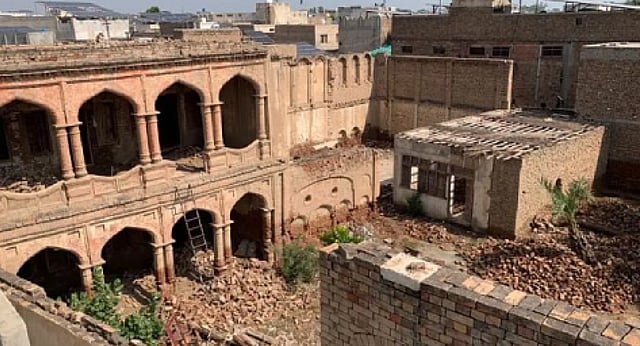
- Pakistan Seals 200-Year-Old Hindu Temple Following Demolition Attempt and Public Outrage
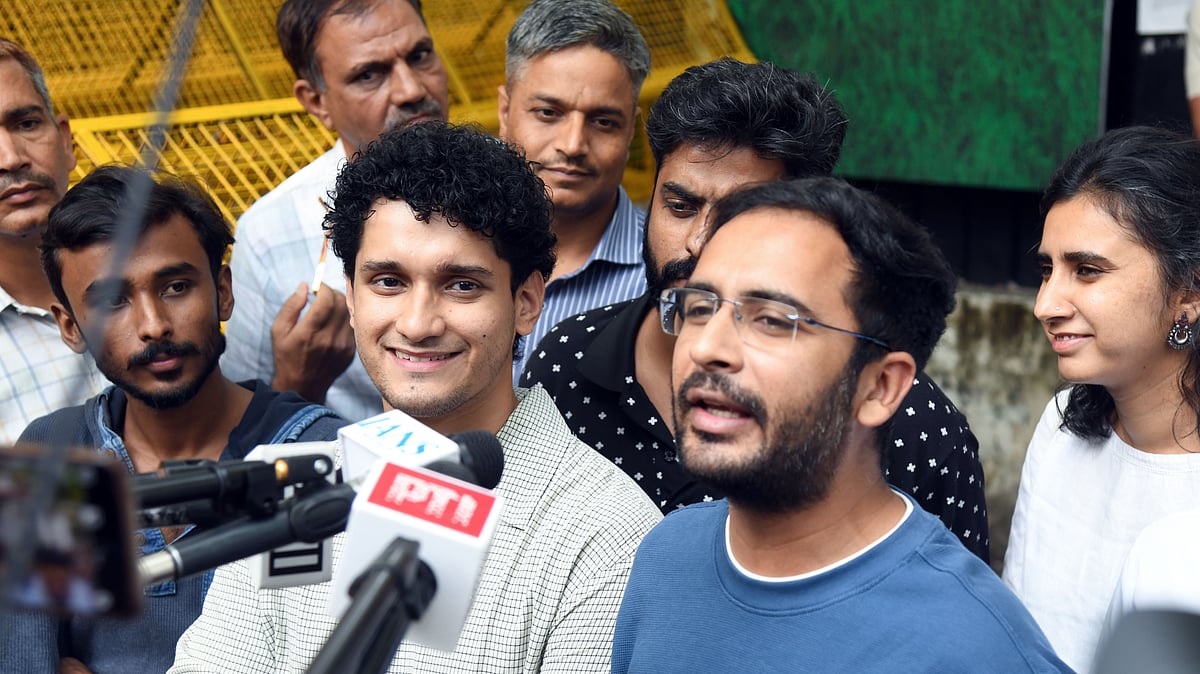
- CJP Alleges Delays in Release of Saurav Das and Ashutosh Ranka After Four Sureties Rejected
Economist Surjit Bhalla’s Voter Deletion Audit: How 13 Crore Became 70 Lakh


Public Lokpal
October 18, 2026
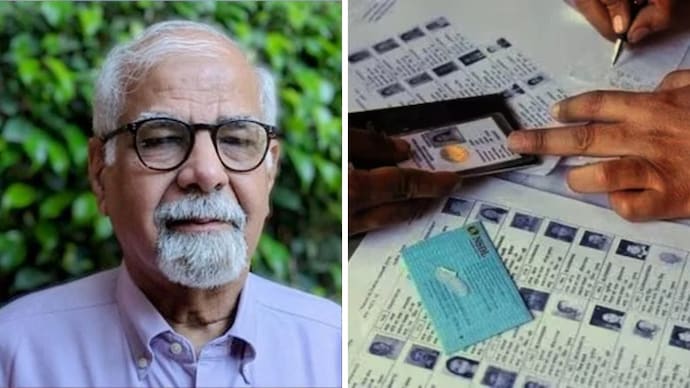
Economist Surjit Bhalla’s Voter Deletion Audit: How 13 Crore Became 70 Lakh
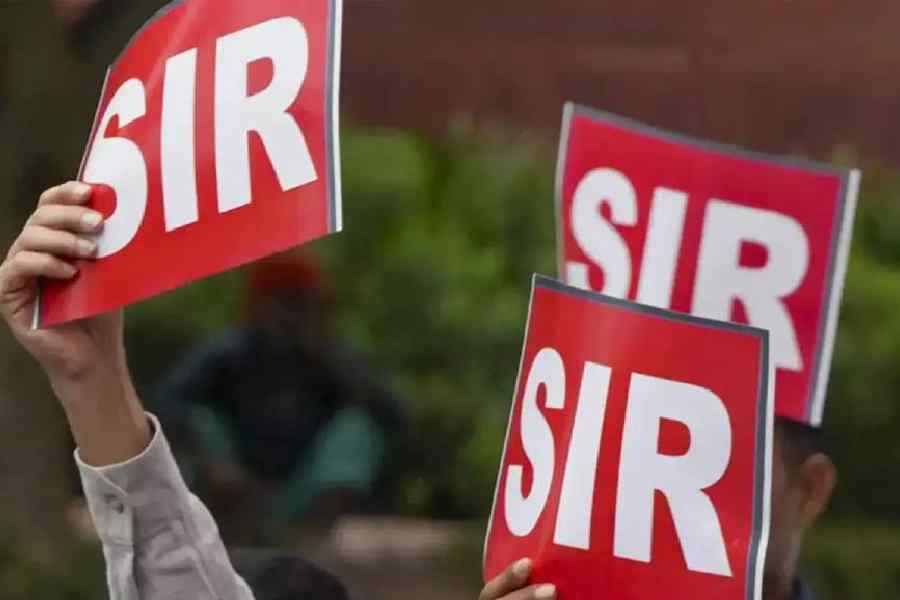
The intense political debate surrounding 13.37 crore draft-stage voter deletions during India's Special Intensive Revision (SIR) often misrepresents the nature of electoral roll maintenance.
Economist Surjit Bhalla addressed this massive headline figure by applying demographic benchmarks and vital statistics to separate routine administrative cleanups from questionable exclusions.
Bhalla noted that the raw draft figures naturally combined necessary list hygiene categories, such as deceased individuals, duplicate entries, and relocated or untraceable voters. Treating these routine updates as wrongful disenfranchisement inflated the true scope of the issue.
To find the baseline, Bhalla established an adult population model and factored in a normal voluntary non-registration rate of roughly 8.5%, projecting an ideal registration target of 92.2 crore nationally.
Comparing demographic benchmarks against published final rolls across nine major states, Bhalla calculated a raw gap of 73 lakh.
After accounting for legitimately removed non-citizens, he isolated 70 lakh unexplained deletions.
While 70 lakh remains a significant figure requiring grievance redressal, Bhalla's analysis demonstrates that roughly seven out of eight draft-stage deletions were statistically and administratively justified.