




BIG NEWS
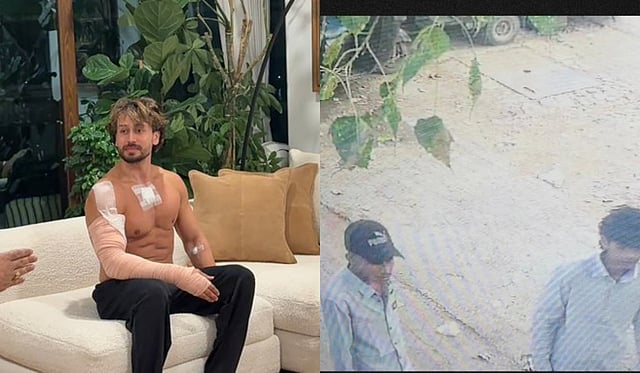
- Delhi Police Arrest Four Women and Men in Tiger Shroff Car Firing Case
- Trump Administration Revokes Over 300,000 U.S. Visas in Historic Enforcement Drive
- CBI Takes Over Parvinder Singh Jhota Murder Probe, Sends Special Team to Punjab
- Blaze Hits 13-Storey Kurla High-Rise; Nine Injured, Including Three Children
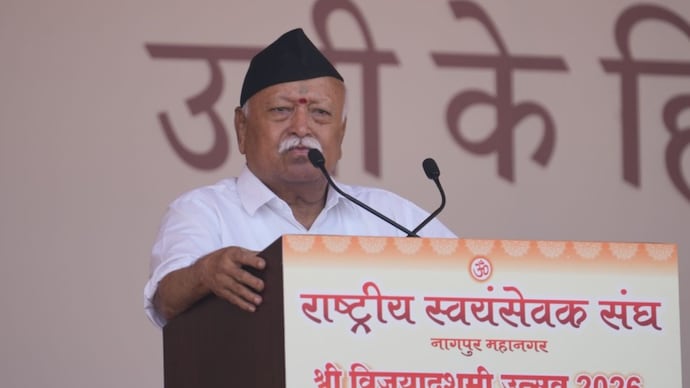
- RSS Chief Mohan Bhagwat Warns of 'Regime Change' Plots Against India
- Ancient Sirpur Included on UNESCO Tentative List
- Kota Police Detain Three Suspects in Connection with Firing at Tiger Shroff’s Car
- Bollywood Actor Tiger Shroff Escapes Unhurt After Firing Incident in Mumbai’s Juhu; Two Injured
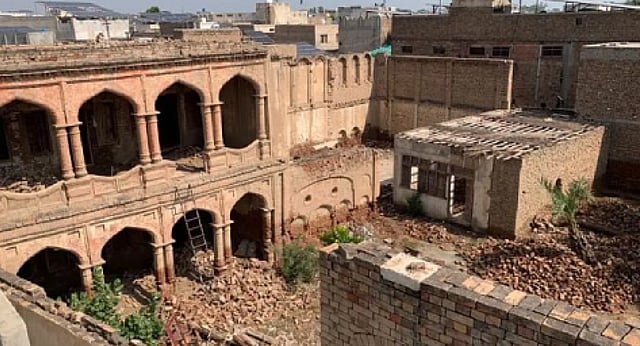
- Pakistan Seals 200-Year-Old Hindu Temple Following Demolition Attempt and Public Outrage
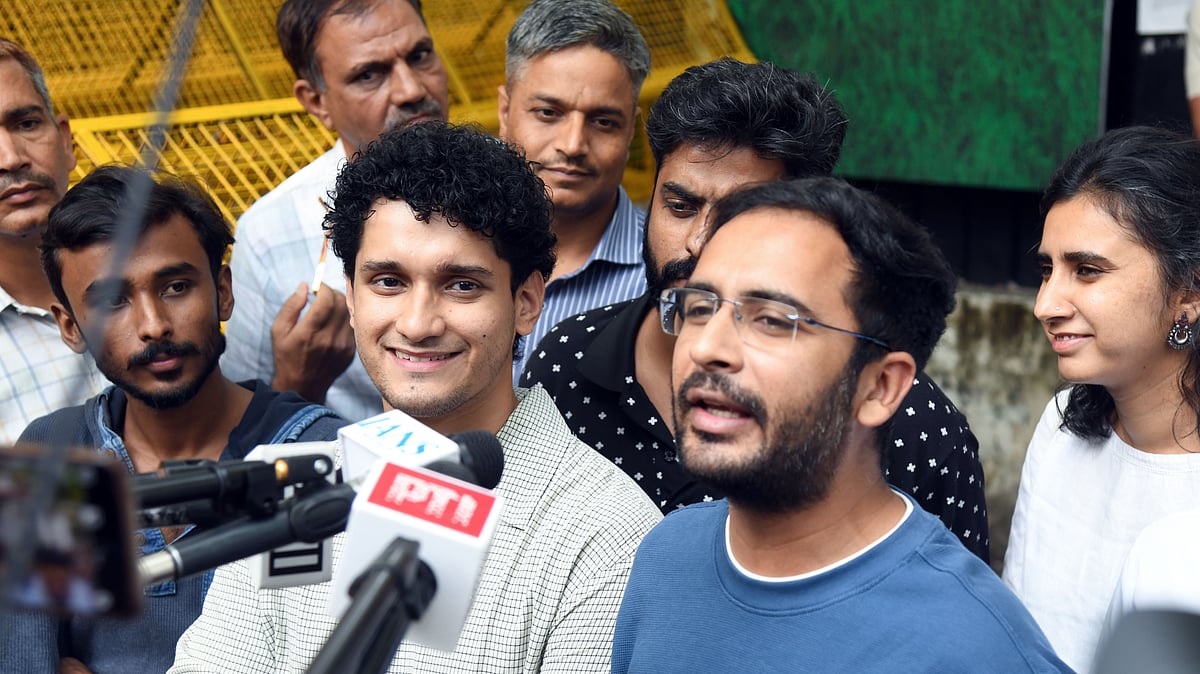
- CJP Alleges Delays in Release of Saurav Das and Ashutosh Ranka After Four Sureties Rejected
Ancient Sirpur Included on UNESCO Tentative List


Public Lokpal
October 20, 2026
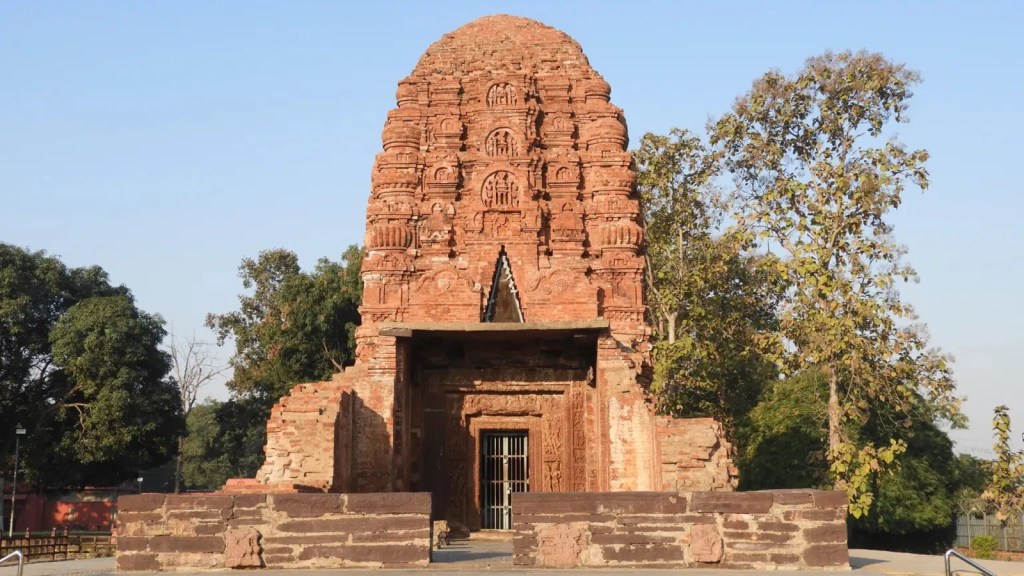
Ancient Sirpur Included on UNESCO Tentative List
The historic archaeological complex of Sirpur in Chhattisgarh has officially advanced a step closer to earning a UNESCO World Heritage Tag after being added to UNESCO's tentative list.
Situated along the Mahanadi River in the Mahasamund district, Sirpur (ancient Sripura) served as the capital of the Dakshina Kosala region under the Panduvanshi and Somavamshi dynasties from the 5th to the 12th century CE.
What sets Sirpur apart is its remarkable religious pluralism.
Among its main architectural marvels is the 7th-century Lakshmana Temple, renowned as one of India's oldest and best-preserved brick temples.
Following its inclusion on the tentative list, the Archaeological Survey of India (ASI) and local authorities now have a one-year window to submit a detailed nomination dossier to UNESCO.
This document will define buffer zones, conservation frameworks, and highlight the site's Outstanding Universal Value (OUV).
Beyond global recognition, securing World Heritage status is expected to elevate local infrastructure, preserve priceless heritage, and place Chhattisgarh prominently on the international cultural tourism map.