








BIG NEWS
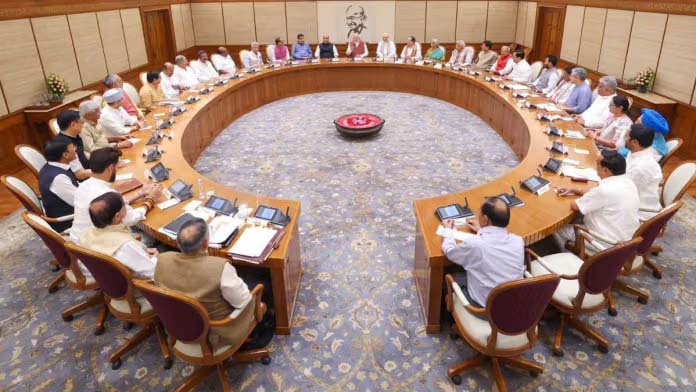
- Cabinet Approves 10-Year Jail, ₹10-Crore Fine for Paper Leaks
- Starship Flight 13 Ends with Breakthrough Indian Ocean Splashdown
- Deadlock Prevails Ahead of 3rd Round of CJP-Centre Talks
- Massive NTA Overhaul: 47 Officials Terminated Amid Jantar Mantar Protests
- Bihar-Born Politician Takes Top UK AI Role
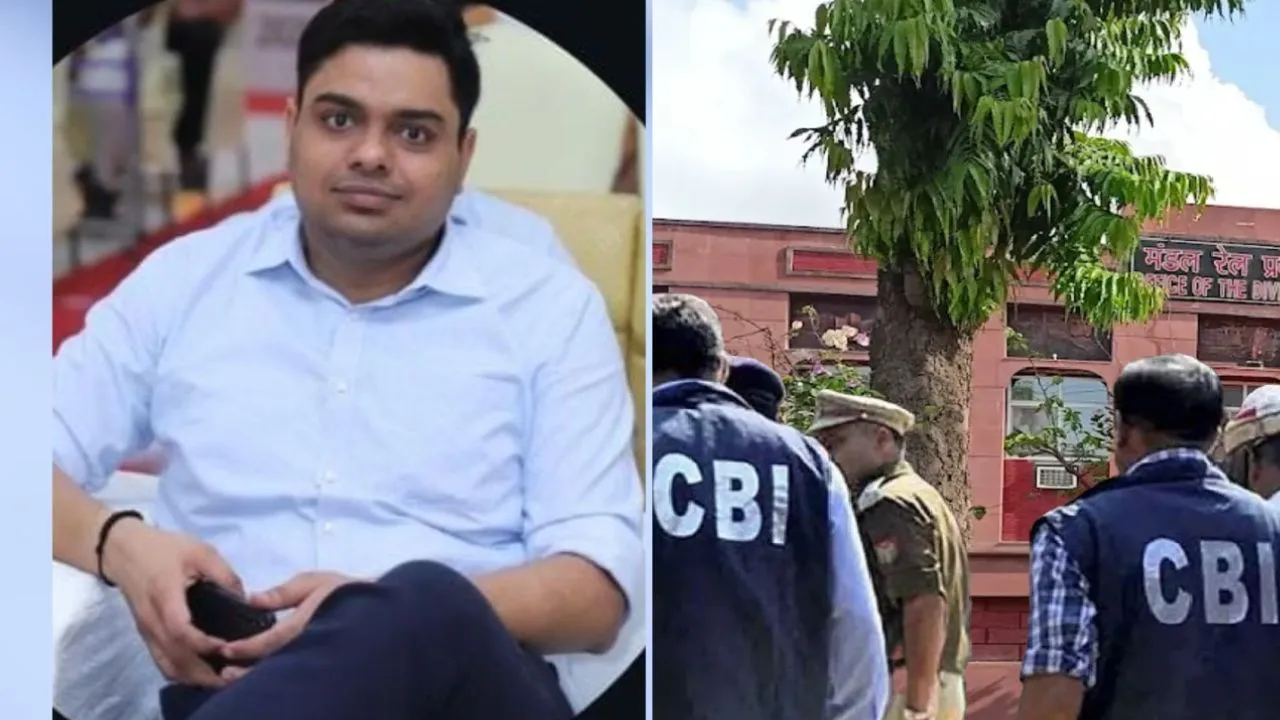
- Senior Railway Officer Caught Red-Handed Taking ₹1.70 Lakh Bribe in Varanasi
- Supreme Court Bans Unauthorised Social Media Clips of Court Proceedings
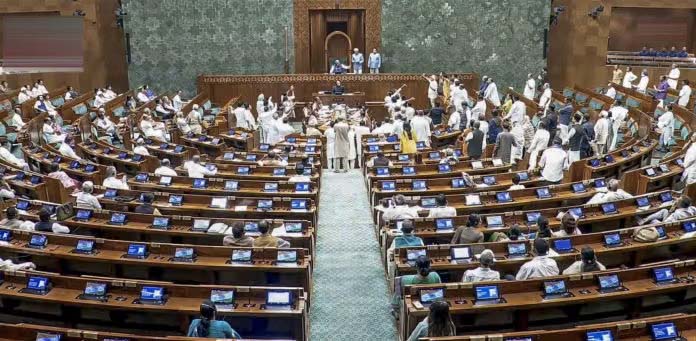
- Lok Sabha adjourned till Monday, govt says pre-conditions to NEET debate will send ‘wrong message’
- How dare you threaten students’: Rahul Gandhi on Delhi University advisory
- Sonam Wangchuk Ends 26-Day Hunger Strike Over Paper Leaks
Cabinet Approves 10-Year Jail, ₹10-Crore Fine for Paper Leaks


Public Lokpal
July 25, 2026
.jpeg)
Cabinet Approves 10-Year Jail, ₹10-Crore Fine for Paper Leaks
The Union Cabinet has approved stringent amendments to the Public Examinations (Prevention of Unfair Means) Act to combat paper leaks and organized cheating in competitive exams.
Key Highlights: Tough New Law Against Paper Leaks
Severe Financial Penalties: Fines for offences related to paper leaks and organized exam malpractices have been raised up to ₹10 crore.
Stricter Jail Terms: Maximum imprisonment extends up to 10 years, with the minimum punishment raised to 5 years for organized crime and severe offences.
Fast-Track Legal Framework: Imposes statutory backing for fast-track courts to conclude cases within a total of 5 months (2 months for investigation + 3 months for trial).
Broader Scope: Extends coverage beyond central recruitment agencies (like NTA, UPSC, SSC) to cover state-level public examinations as well.
Non-Bailable & Cognizable: Offences are treated as non-bailable, non-compoundable, and cognizable, allowing police to arrest without a warrant and proceed without delay.
Institutional Accountability: Targets corrupt examination authorities, outsourced tech vendors, and criminal syndicates profiting from exam malpractices.
Designed to dismantle criminal syndicates, corrupt testing agencies, and organized networks profiting from exam malpractices, the Amendment Bill will soon be introduced in Parliament to secure future public examinations.