.jpeg)





BIG NEWS
- Tata Trusts Declares N. Chandrasekaran’s 5-Year Extension 'Illegal' Amid Boardroom Clash
- Chandrasekaran Secured for Third Term at Tata Sons Amid Boardroom Tensions
- India Refuses to Bow to US Tariff Pressures Over Russian Oil
- BMC Rapped as Disqualified Firm Bags Rs 14-Crore Trash Barrier Deal
- Catastrophic Nepal Avalanche and Flash Flood Traced to Massive 2.2 Sq Km Mountain Collapse
- US Congress Passes Russia Sanctions Bill, Granting Trump 100% Tariff Authority on India and China
- Special NIA Court Sentences All 10 Convicts to Death for 2013 Jhiram Valley Maoist Massacre
- Pak Navy Vessel Collides with Indian Navy Ship: MEA Summons Pakistan Charge d'Affaires
- Chlorine Gas Leak at Meerut Sewage Plant Triggers Panic and Hospitalizations
- Two Back-to-Back Earthquakes Strike Northwestern Nepal, Causing Panic but No Damage
Tata Trusts Declares N. Chandrasekaran’s 5-Year Extension 'Illegal' Amid Boardroom Clash


Public Lokpal
September 17, 2026
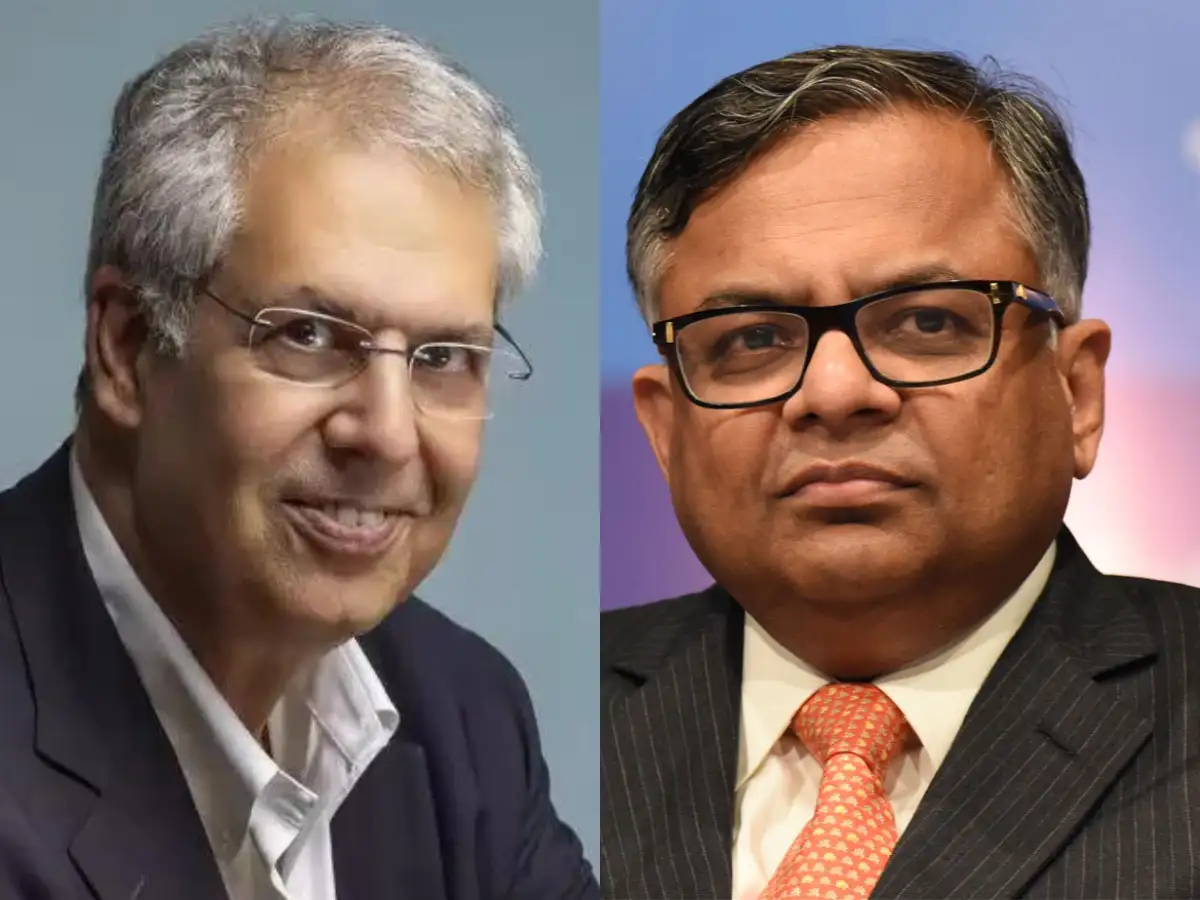
Tata Trusts Declares N. Chandrasekaran’s 5-Year Extension 'Illegal' Amid Boardroom Clash
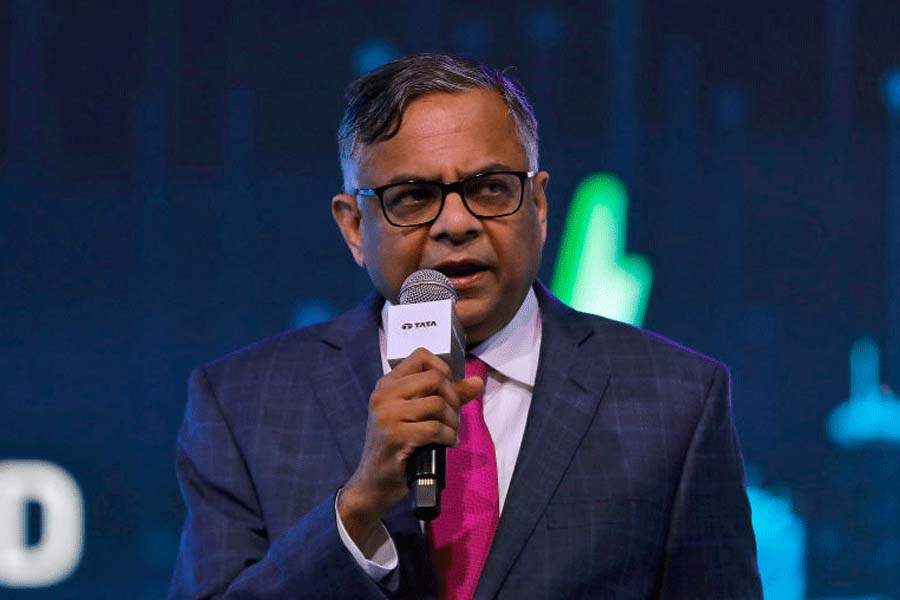
New Delhi: A major governance crisis has hit India's largest conglomerate following a 4–1 vote by the Tata Sons board to grant Chairman N. Chandrasekaran a third five-year term starting February 2027.
Tata Trusts—holding a controlling ~66% stake in Tata Sons—swiftly denounced the extension as a "legal nullity". Trust Chairman Noel Tata cast the sole dissenting vote, arguing that the reappointment bypassed critical provisions in Tata Sons' Articles of Association. Specifically, the rules dictate that a chairman's appointment or renewal requires the presence and affirmative vote of the Trusts' nominee directors. With Noel Tata vetoing the proposal, the Trusts maintain that overriding his vote renders the resolution legally void.
Furthermore, Tata Trusts asserted that Chandrasekaran's earlier August 2026 announcement to step down had already attained finality and could not be undone. While the Tata Sons board pushed for the extension to ensure business continuity—running parallel to discussions on the group's planned public listing—the stark public division between the operating company and its majority shareholder sets the stage for a prolonged corporate showdown.