.jpeg)








BIG NEWS
- PM Modi Begins Three-Nation Tour; Conferred with Indonesia’s Highest Civilian Honour in Jakarta
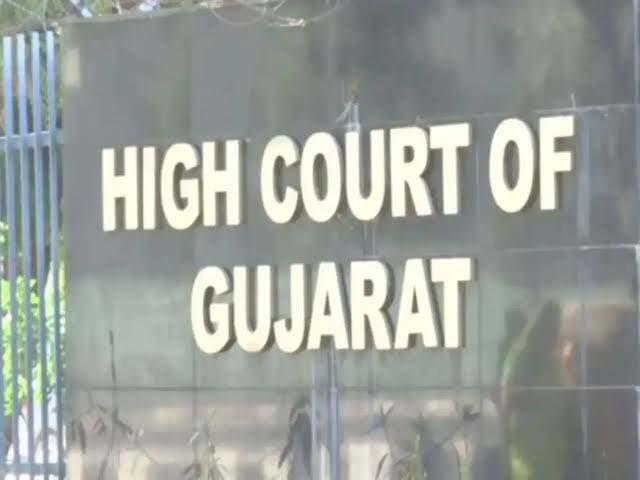
- Landmark Verdict: Gujarat High Court Upholds Death Penalty for 38 Convicts in 2008 Ahmedabad Serial Blasts
- Haridwar’s Mansa Devi Temple Enforces Pocketless Dress Code for Priests to Ensure Transparency
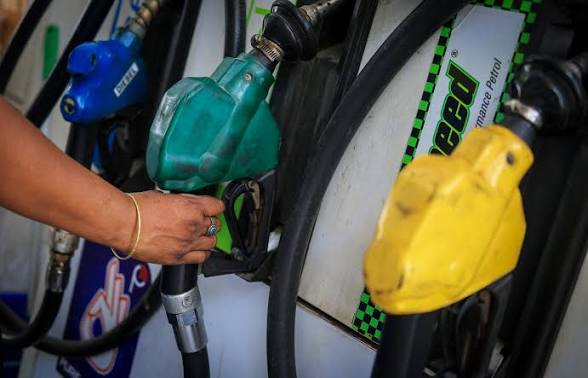
- E25 Paused: Govt Delays Higher Ethanol Blends Amid Consumer Backlash
- Punjab Mutiny: Rebels Unite to Oust Raja Warring as Congress State Chief
- Ram Mandir Trust Accepts Champat Rai’s Resignation Amid Theft Row
- India Hosts Crucial BRICS Anti-Drug Summit in Guwahati to Tackle Darknet & Synthetic Drug Cartels
- Extreme Monsoon Downpours Trigger Flights Chaos and Runway Delays at Mumbai Airport
- Trump Thanks FIFA: Balogun Cleared to Face Belgium After Red-Card Suspension Suspended
- AYODHYA: RAM TEMPLE TREASURER DENIES ROLE IN DONATION CONTROVERSY, BACKS SIT PROBE
Government Seeks Feedback on the Draft National Pharmacy Commission Bill


Public Lokpal
July 05, 2026
.jpeg)
Government Seeks Feedback on the Draft National Pharmacy Commission Bill
New Delhi: The Central Government has released the draft of the 'National Pharmacy Commission Bill' (previously referred to universally as the National Pharmacy Council Bill), aiming to modernize pharmacy education and the regulation of medical stores across the country. This new legislation is set to replace the decades-old Pharmacy Act of 1948. The Ministry of Health has invited suggestions and objections on this new draft from the general public, doctors, and pharma experts.
The primary objectives of this bill are to bring transparency to the pharmacy sector, curb the sale of counterfeit medicines, and completely digitalize and centralize the registration process for pharmacists.
Key Takeaways & Major Shifts
Replacing a 78-Year-Old Law: The Pharmacy Act of 1948 was framed just after independence. It lacks the teeth to regulate the modern era of e-pharmacies, online drug delivery, and advanced pharmaceutical research.
Centralized Digital Registry: By moving pharmacist registrations to a unified, digital, and centralized platform, the government aims to weed out fake degrees and fraudulent registrations.
Cracking Down on Counterfeit Drugs: Stricter compliance rules and better tracking systems under the new commission will help eliminate spurious medicines from the supply chain.
Standardizing Education: With a massive boom in pharmacy colleges across India, the new Commission will enforce stricter guidelines to maintain and elevate the quality of pharmacy education.
Why Input Matters
The Health Ministry has provided a window for public feedback. This is a crucial opportunity for pharmacists, medical store owners, healthcare professionals, and citizens to voice their opinions.