









BIG NEWS
- SIT Files Chargesheet in Ram Mandir Donation Theft Case Champat Rai Named as Witness
- Balancing Survival and Growth The Supreme Court's High-Stakes Balancing Act
- Gold Medal for India, Silence from State Inside Nazia Bibi’s Struggle
- SP Veteran and Former UP Assembly LoP Ram Govind Chaudhary Dies at 74
- IAS Officer Mandeep K. Bhandari Appointed New CBSE Chairperson
- Wangchuk Calls Out National Opposition Silence on Ladakh's Plight
- Jamui Incident and Union Minister Chirag Paswan's Stance
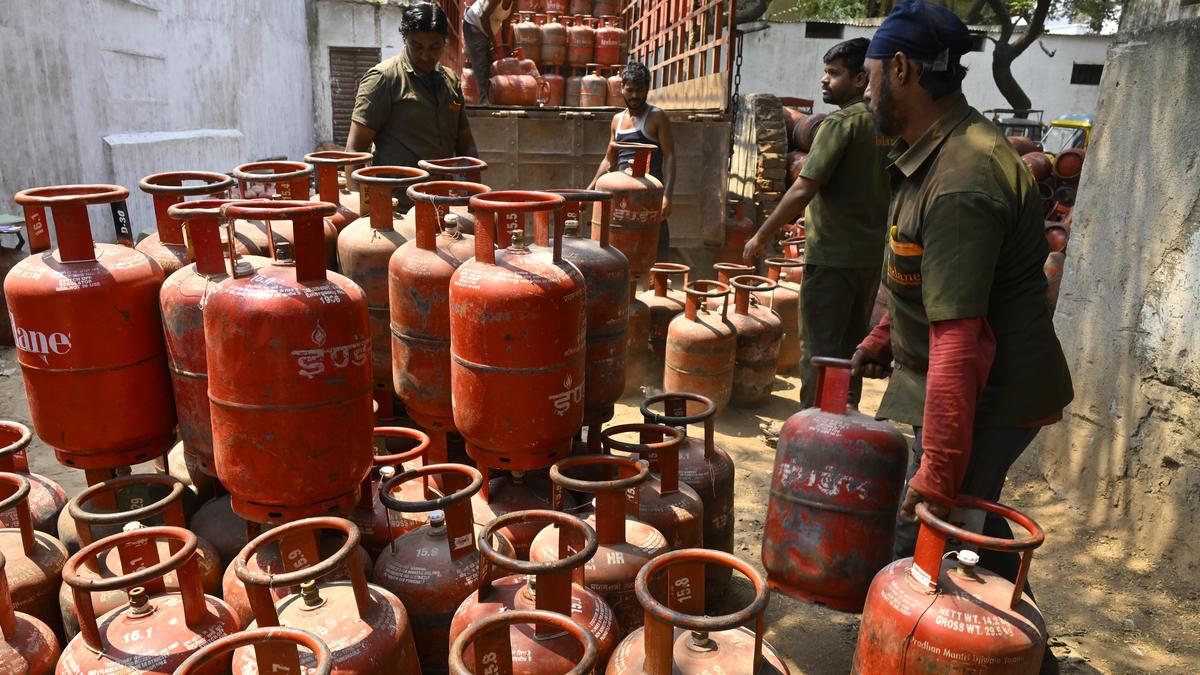
- Missed e-KYC? You Might Lose LPG Subsidy Starting Next Month
- Bangladesh Halts Indian Hilsa Imports Amid Mislabelling Concerns
- Golden Aim: Suruchi and Kamaljeet Secure India’s Second Gold at Asian Games
Balancing Survival and Growth The Supreme Court's High-Stakes Balancing Act


Public Lokpal
September 26, 2026

Balancing Survival and Growth The Supreme Court's High-Stakes Balancing Act
New Delhi: The legal battleground between declaring a public health emergency and granting industry transition windows has intensified. At the heart of this judicial friction is a fundamental clash immediate human survival versus long-term economic stability.
Petitioners before the Supreme Court frequently invoke the right to life, arguing that critical environmental degradation and air toxicity demand urgent, uncompromised emergency interventions. They contend that delaying action to accommodate commercial interests costs lives daily, making strict, time-bound compliance non-negotiable.
Conversely, manufacturing and industrial sectors warn that abrupt enforcement without realistic transition windows threatens widespread economic paralysis, massive job losses, and stranded assets. They advocate for phased compliance frameworks and gradual technological upgrades to ensure commercial viability while meeting ecological goals.
Rather than choosing one extreme, the judiciary has increasingly walked a tightrope. It rejects using economic survival to dilute fundamental rights, yet avoids sudden, disruptive shutdowns. Instead, modern jurisprudence favors strict, compressed milestones—forcing corporate accountability while preventing systemic economic collapse.