










BIG NEWS
- Western Ghats Landslides: The Urgent Need for Early Warning Systems and Ecological Restraint
- 15 Indian Tourists Die in Vietnam Speedboat Tragedy
- TV Actor Rohit Chandel Arrested in Mumbai for Stalking and Assaulting Minor
- MNNIT Study: E-15 Ethanol Blend is Safer and Better for Cars Than E-20
- Hizbul Deputy Chief Confirms Pakistani Footprint in Kashmir
- Insider Betrayal: 3 Tiger Skins Seized as Police Links to Poaching Shock Chhattisgarh
- Datia Bypoll: Violent Protests Erupt After BJP Denies Ticket to Narottam Mishra
- UP Appoints Panchayat Chiefs as Administrators in Historic Move
- ‘I Order You’ : Litigant Flings Papers and Commands Supreme Court Judges
- Bankipur Bypoll Shock: BJP Candidate Abhishek Bunty Withdraws Nomination Citing 'Family Reasons'
Western Ghats Landslides: The Urgent Need for Early Warning Systems and Ecological Restraint


Public Lokpal
July 11, 2026
Western Ghats Landslides: The Urgent Need for Early Warning Systems and Ecological Restraint
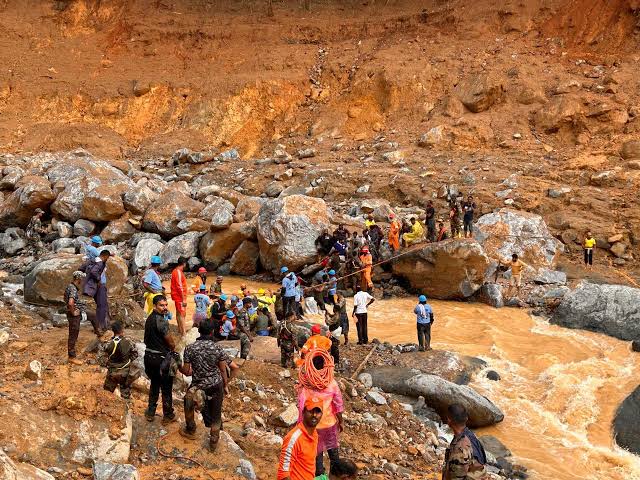
The escalation of devastating landslides across the Western Ghats—from Wayanad’s infrastructure corridors to vulnerable hillside settlements—underscores the urgent need for a cohesive Landslide Early Warning System (LEWS).
Currently, site-specific sensor networks (such as tilt meters and pore-water gauges) offer precise, life-saving lead times, but their hyper-localized nature leaves unmonitored slopes blind. Conversely, regional rainfall-threshold models cover expansive terrain but lack the micro-forecasting precision required to capture short-duration cloudbursts driven by a warming Arabian Sea.
The solution requires a hybrid architecture: combining AI-driven regional satellite monitoring with low-cost, community-led rain gauge networks at the grassroots level.
However, technology alone cannot prevent disaster. For LEWS to succeed, governments must integrate predictive data with strict enforcement of Eco-Sensitive Zones (ESZs), halting aggressive engineering and deep-rock blasting in fragile terrains.
Early warnings buy precious time, but ecological restraint ultimately saves lives.