




BIG NEWS
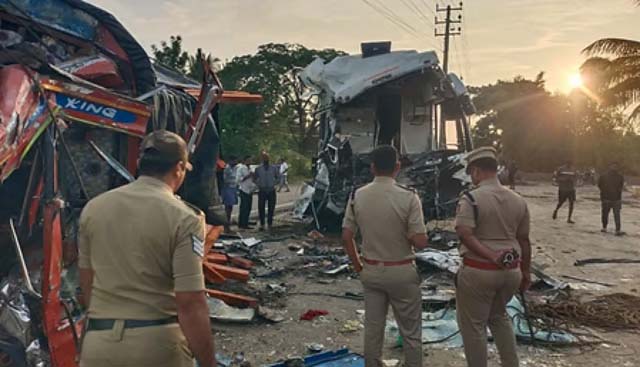
- Four Killed, 31 Injured in Head-On Collision Between Sleeper Bus and Lorry in Mysuru
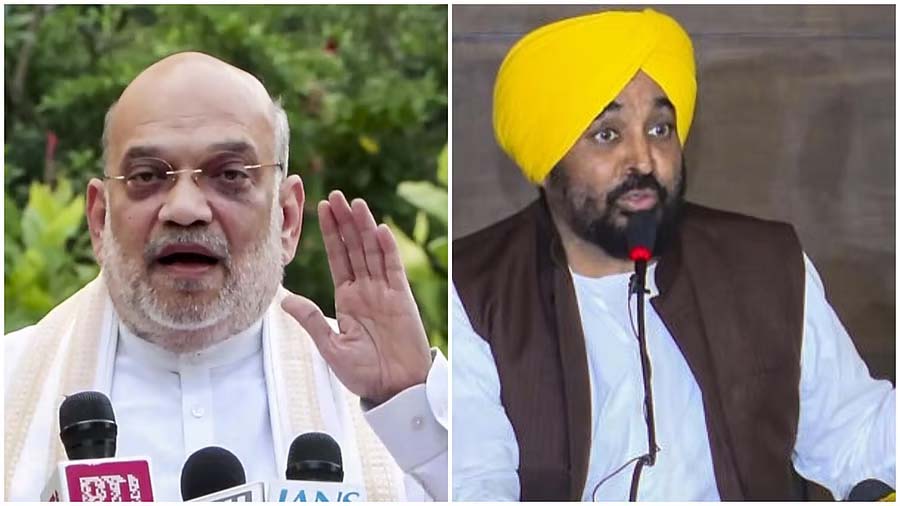
- Amit Shah Slams Punjab AAP Govt Over Rising Drug Trade and Gangsterism
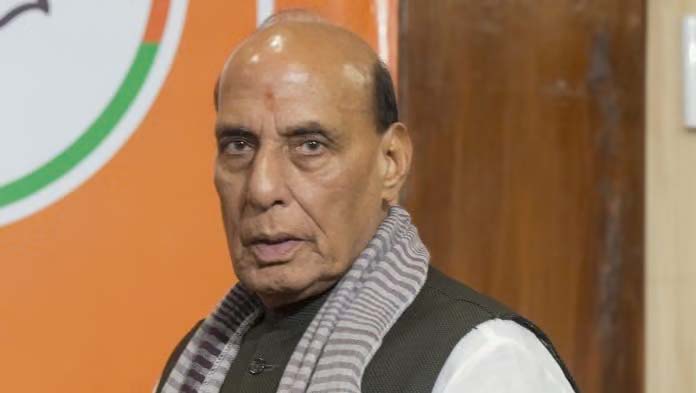
- Rajnath Singh Slams INDIA Bloc Over Anti-CEC Protests, Accuses Opposition of Conspiracy to Seize Power by Anarchy
- Reliance Counters Elon Musk’s Starlink Claims Emphasizes Rule of Law and Level Playing Field
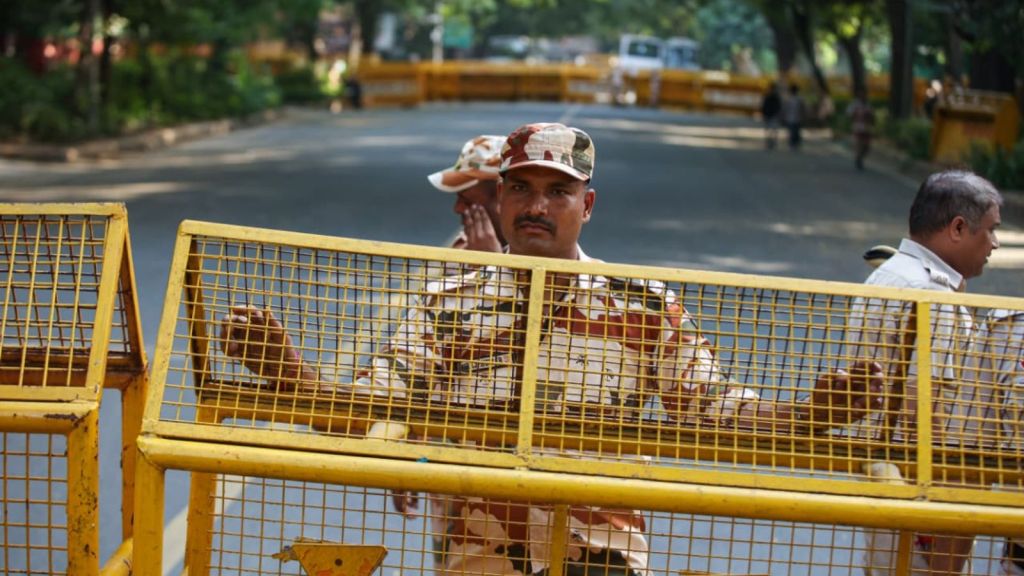
- Fortress Delhi: 25,000 Personnel and Heavy Surveillance Clamp Down on CJP March
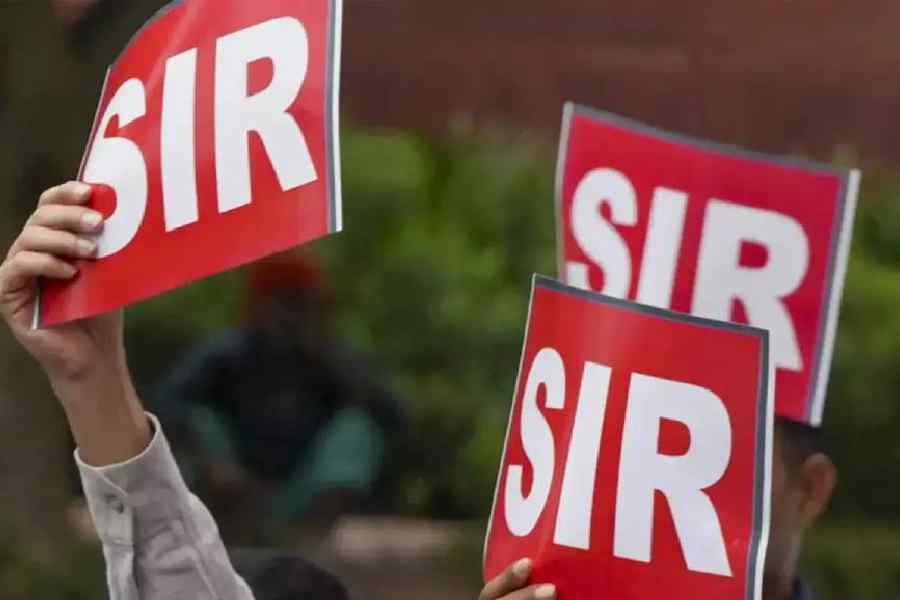
- Supreme Court Issues Notice to CEC and Election Commissioners over Electoral Issues
- Tragedy in Oregon: Three Children Among Five Dead in Elementary School Shooting
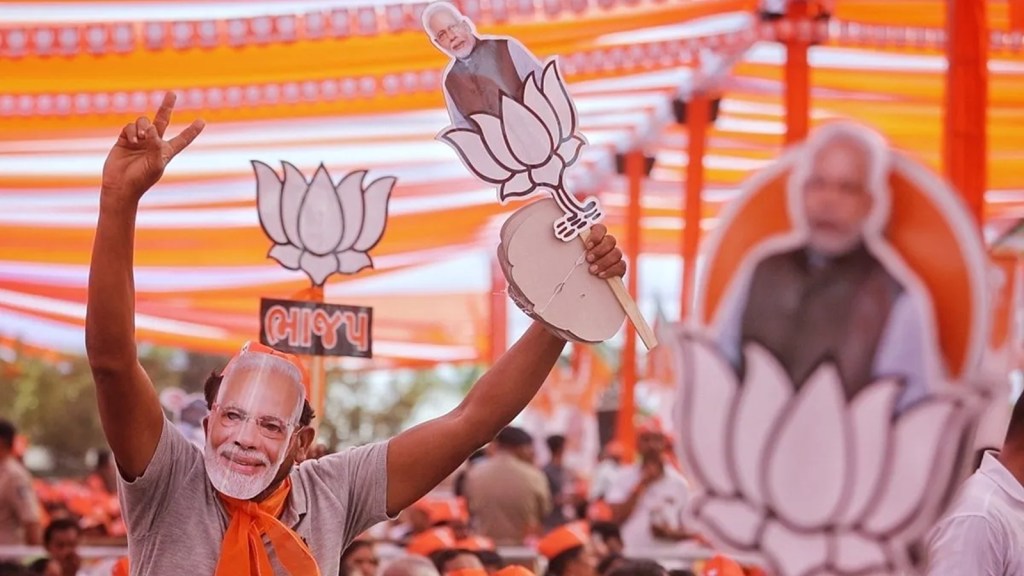
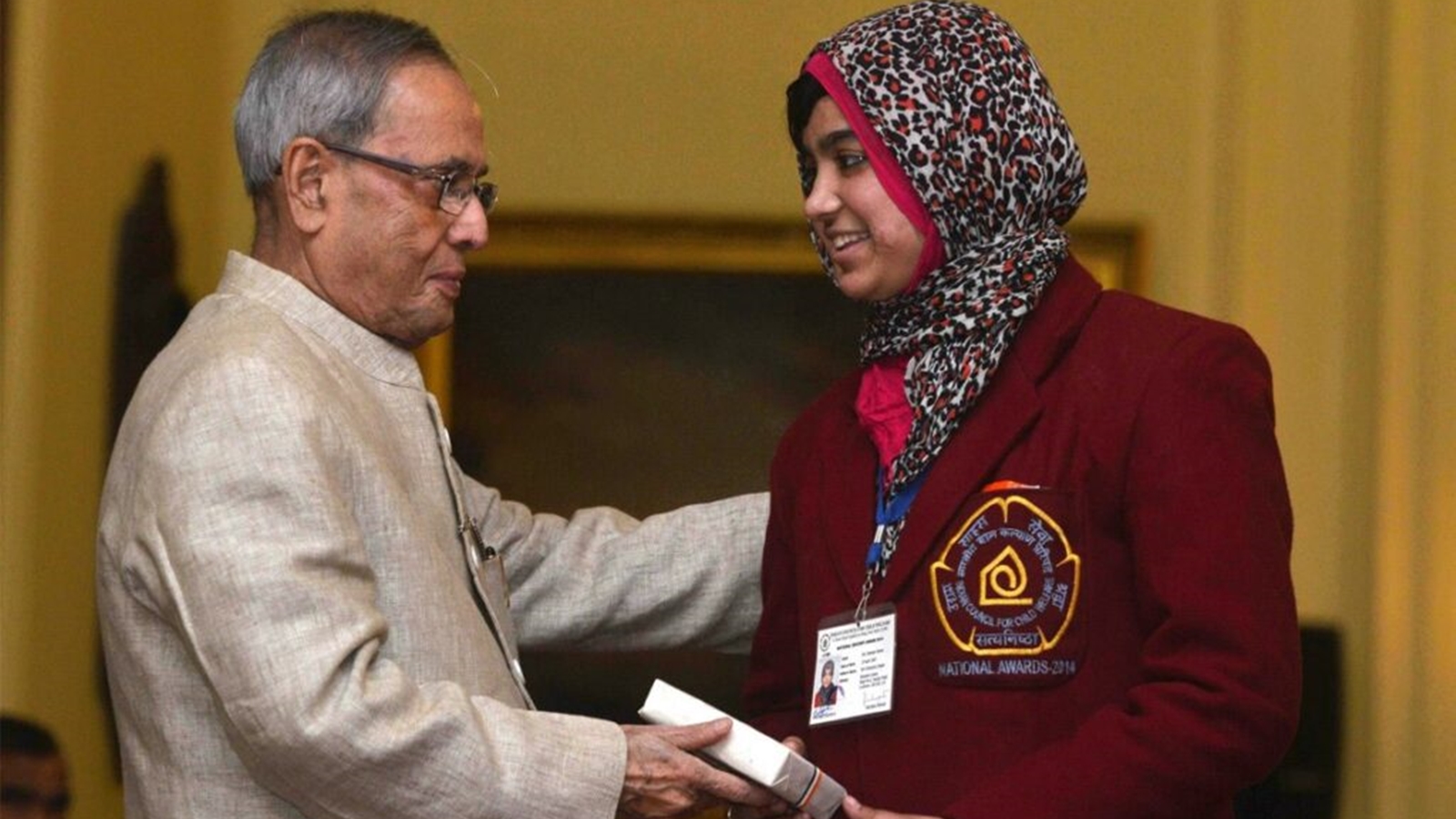
- Prime Minister Modi Honors Historic Asian Games Medallists in New Delhi
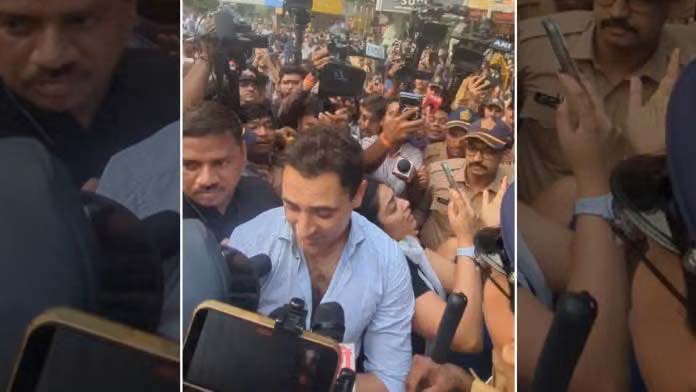
- Mumbai Police Issue Leave India Notice to Actor Imran Khan Over Anti-CEC Protest Participation
- India Urges Overhaul of Global Governance, Highlights UAE Partnership at Abu Dhabi Forum
Fortress Delhi: 25,000 Personnel and Heavy Surveillance Clamp Down on CJP March


Public Lokpal
October 16, 2026
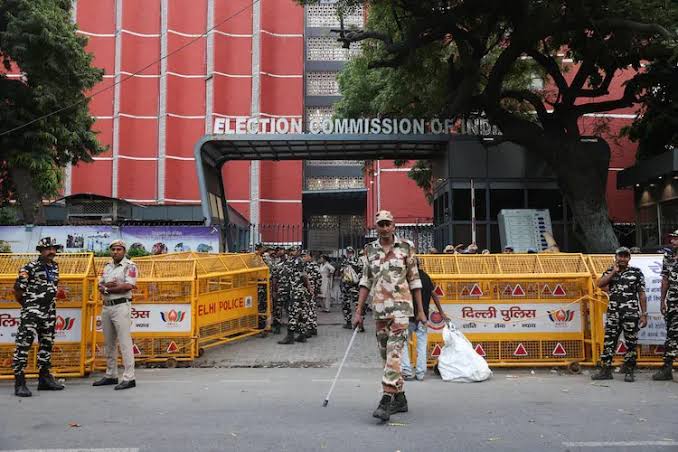
Fortress Delhi: 25,000 Personnel and Heavy Surveillance Clamp Down on CJP March
Delhi transformed into a high-security fortress as authorities deployed over 25,000 police and paramilitary personnel, backed by extensive CCTV networks, to contain high-profile demonstrations called by the Cockroach Janta Party (CJP).
Following the denial of official permissions and the denotification of traditional protest venues like Jantar Mantar, the administration implemented strict multi-layered security grids, temporary detention centers, and widespread barricading across sensitive zones.
The clampdown severely affected daily transit, prompting the temporary closure of key metro stations, cancellation of numerous regional train services, and severe traffic diversions throughout central Delhi.
Authorities also intensified digital surveillance, closely monitoring online mobilization and social media handles to preempt large-scale assembly.
While the state maintained that these stringent steps were vital for preserving public order and preventing gridlock, the heavy-handed response underscored escalating tensions between youth-led political movements and state machinery over public assembly rights.