






BIG NEWS
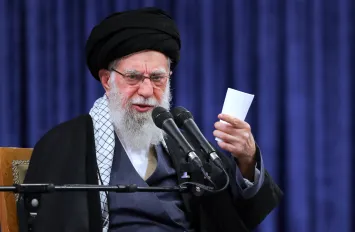
- Kashmir under curbs, internet throttled after protests over killing of Iran’s supreme leader Ali Khamenei
- Oil prices rise sharply after attacks in West Asia disrupt global energy supply
- Iran crisis: No immediate oil disruption for India, Russia pivot possible if conflict drags on
- 17 persons killed, 18 injured in blast at explosives factory in Nagpur
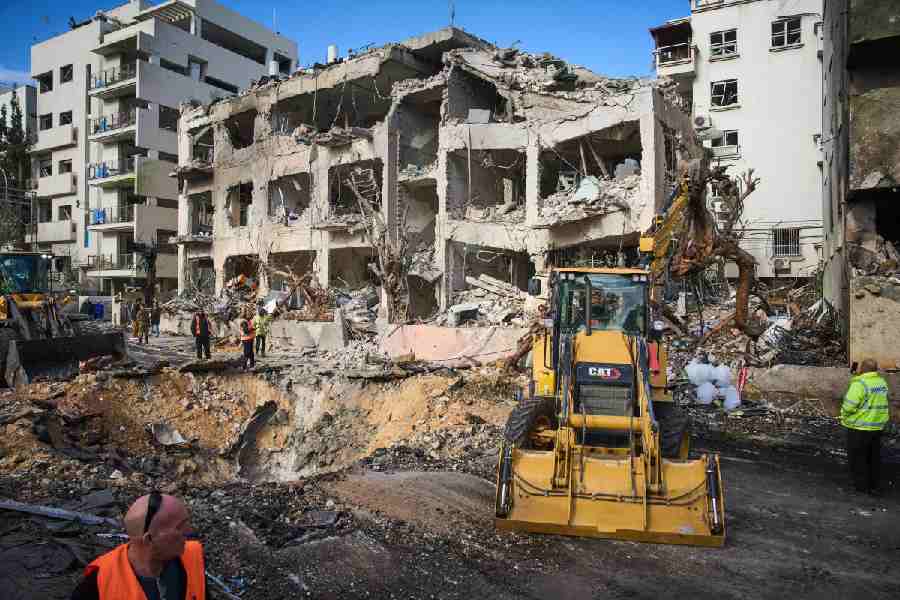
- Ayatollah Ali Khamenei dead, Iranian state media confirm after US-Israel attack
- 'Exercise utmost caution': India issues advisory as Israel, US bomb Iran
- Expelled AIADMK leader, 3-time Chief Minister OPS joins DMK
- Delhi court discharges Kejriwal, Sisodia in excise corruption case, rejects CBI chargesheet
- DGCA makes air ticket refund norms more passenger-friendly; no additional charges for changes within 48 hrs of booking
- Unidentified persons light torches to film reel in protected Maharashtra monument; FIR lodged
Oil prices rise sharply after attacks in West Asia disrupt global energy supply


Public Lokpal
March 02, 2026
Oil prices rise sharply after attacks in West Asia disrupt global energy supply
NEW YORK: Oil prices rose sharply Monday as U.S. and Israeli attacks on Iran and retaliatory strikes against Israel and U.S. military installations around the Gulf sent disruptions through the global energy supply chain.
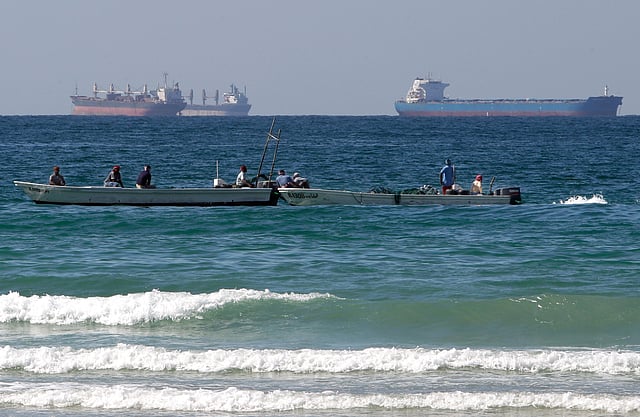
Traders were betting the supply of oil from Iran and elsewhere in the Middle East would slow or grind to a halt. Attacks throughout the region, including on two vessels travelling through the Strait of Hormuz, the narrow mouth of the Persian Gulf, have restricted countries’ ability to export oil to the rest of the world. Prolonged attacks would likely result in higher prices for crude oil and gasoline, according to energy experts.
West Texas Intermediate, the light, sweet crude oil produced in the United States, was selling for about $72 a barrel early Monday, up around 7.3% from its trading price of about $67 on Friday, according to data from CME group.
A barrel of Brent crude, the international standard, was trading at $78.55 per barrel early Monday, according to FactSet, up 7.8% from its trading price of $72.87 on Friday, which had been a seven-month high at the time.
Higher global energy prices could lead to consumers paying more for gasoline at the pump and shelling out more for groceries and other goods, at a time when many are already feeling the impacts of elevated inflation.
Roughly 15 million barrels of crude oil per day, about 20% of the world’s oil, are shipped through the Strait of Hormuz, making it the world’s most critical oil chokepoint, according to Rystad Energy. Tankers traveling through the strait, which is bordered in the north by Iran, carry oil and gas from Saudi Arabia, Kuwait, Iraq, Qatar, Bahrain, the UAE and Iran.
Iran had temporarily shut down parts of the strait in mid-February for what it said was a military drill, which led oil prices to jump about 6% higher in the days that followed.
Against that backdrop, eight countries that are part of the OPEC+ oil cartel announced they would boost production of crude Sunday. The Organization of Petroleum Exporting Countries, in a meeting planned before the war began, said it would increase production by 206,000 barrels per day in April, which was more than analysts had been expecting. The countries boosting output include Saudi Arabia, Russia, Iraq, the United Arab Emirates, Kuwait, Kazakhstan, Algeria and Oman.
Iran exports roughly 1.6 million barrels of oil a day, mostly to China, which may need to look elsewhere for supply if Iran’s exports are disrupted, another factor that could increase energy prices.
AP