.jpeg)






BIG NEWS
- Centre pulls up Meta over WhatsApp username feature for cybercrime concerns, warns of action under IT Act
- Iran invites Congress leaders Kharge, Salman Khurshid, Pawan Khera to late Ayatollah's burial ceremony
- ICC Rankings: Ishan Kishan pips Abhishek Sharma to top T20I batting charts
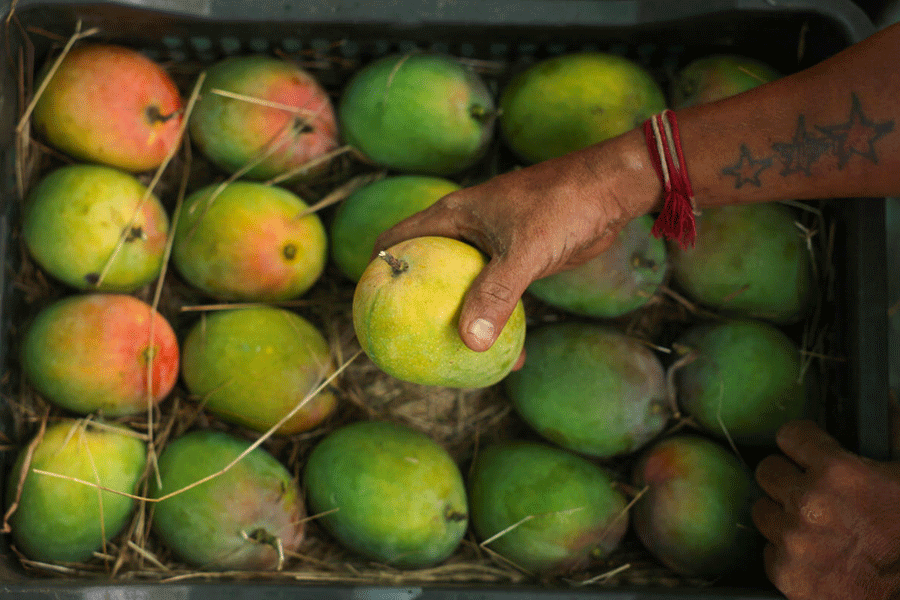
- Malda mango exports reach 10 tonnes in a week, Bengal eyes 100-tonne shipment this season
- US removes four Indian companies from Russia-related sanctions list
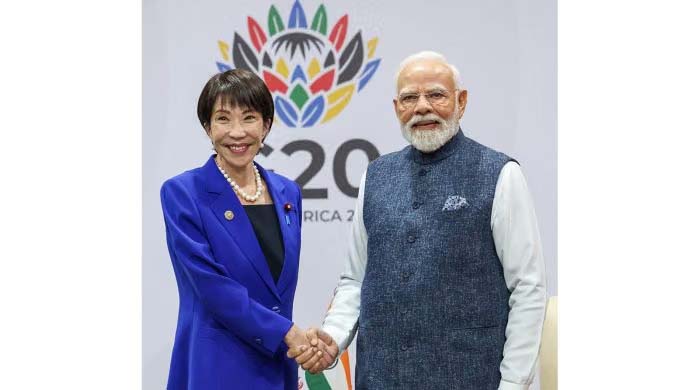
- Japan PM Takaichi to arrive in Delhi Wednesday for 16th India-Japan Annual Summit
- Several parts of Mumbai receive 100 mm of rains in 24 hours; local train services face delays
- Monsoon session of Parliament likely from July 20
- 23 Parties, Independent MP write to CJI over SIR, EC's role
- India retain Harmanpreet as captain for Asiad despite underwhelming WC campaign
Centre pulls up Meta over WhatsApp username feature for cybercrime concerns, warns of action under IT Act


Public Lokpal
July 02, 2026
Centre pulls up Meta over WhatsApp username feature for cybercrime concerns, warns of action under IT Act
New Delhi: The government has issued a notice to Meta, asking the company to explain why action should not be initiated against it under the Information Technology Act and related rules over WhatsApp's proposed username feature, which authorities believe could increase cybercrime, sources said on Wednesday.
The government has issued a notice to Meta over the rollout of the username feature on WhatsApp in India - a key market where the messaging giant has over 500 million users.
The Meta-owned platform has been directed not to roll out the said feature until consultation on the matter is over, sources added.
The notice to the tech giant comes amid rising concerns that WhatsApp's new username feature could facilitate impersonation, fraud and online scams.
Earlier on Wednesday, sources had said that notice to the platform will seek details of the feature, its safeguards and the company's rollout plans, while law enforcement agencies may also examine the issue.
Sources had, at that point, indicated that authorities would also examine the legal framework governing the feature and whether existing laws provide for restricting its rollout if it is found to pose risks to public safety or national security.
WhatsApp plans to introduce a username later this year, allowing users to communicate without sharing their phone numbers. The Meta-owned messaging platform says the feature is designed to enhance privacy, particularly in group chats and interactions with new contacts.
However, cybersecurity experts and startup founders have raised concerns that users could create usernames resembling those of businesses, government agencies or public figures, potentially enabling impersonation, fraud and financial scams unless robust verification and anti-abuse safeguards are put in place.
"The government, as the statutory authority, will have to satisfy itself that the feature does not pose risks, given the legitimate concerns surrounding it," a source had told PTI.
If WhatsApp's response is found to be unsatisfactory, the government could consider steps to prevent the feature's rollout in India, the sources added.
"They cannot go ahead unless they can assure and convince," an official said, adding that WhatsApp has maintained that the feature is intended to strengthen user privacy.
WhatsApp has already allowed users to reserve usernames.
Government officials said the feature could allow users to adopt usernames resembling those of government agencies or prominent public figures, increasing the risk of impersonation and scams.
The proposed feature has drawn criticism from cybersecurity experts and startup founders, who warned that lookalike usernames could be exploited unless robust verification and anti-impersonation safeguards are introduced.
Paytm founder and Chief Executive Vijay Shekhar Sharma said on X that similar-sounding usernames could become a vector for impersonation and scams. Jasveer Singh, co-founder and Chief Executive of KnotDating, also questioned how the platform would balance user privacy with accountability.
Technology experts said the feature could make it easier for fraudsters to impersonate trusted brands, institutions and public figures unless effective identity verification mechanisms are put in place.
PTI