


BIG NEWS
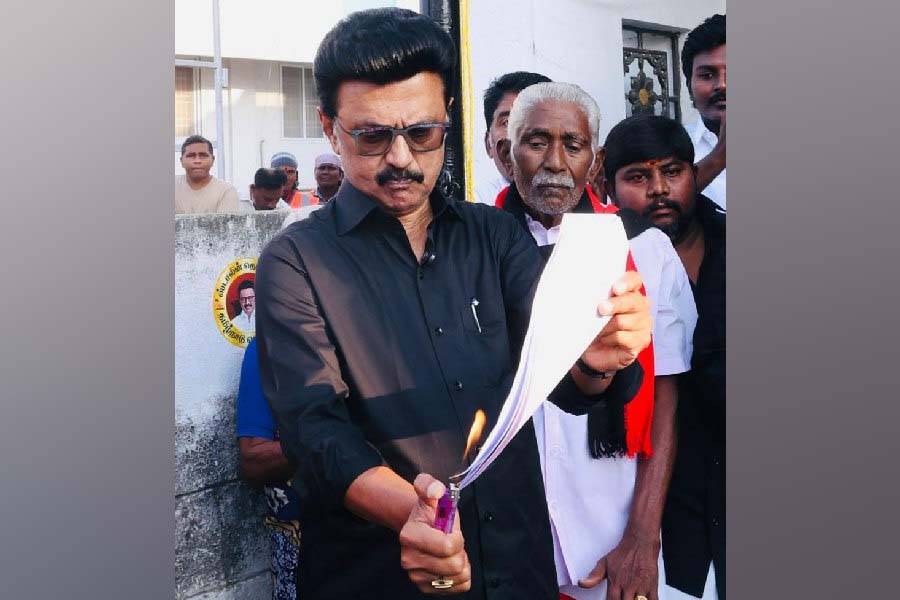
- Stalin burns copy of delimitation bill, terms it 'black law'
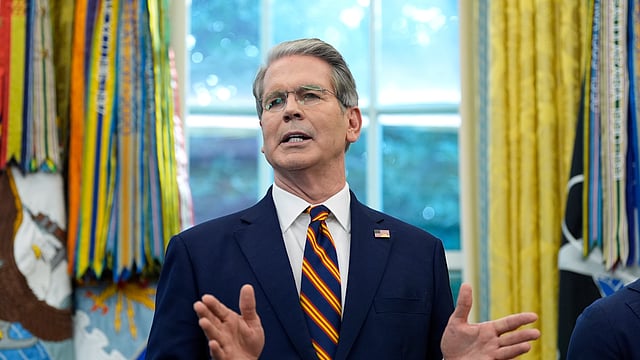
- US will not renew waiver for sale of Russian oil already at sea, says Treasury Secretary Bessent
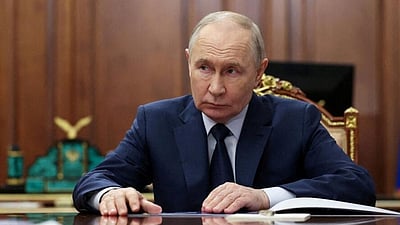
- Putin will attend BRICS summit in India, TASS reports
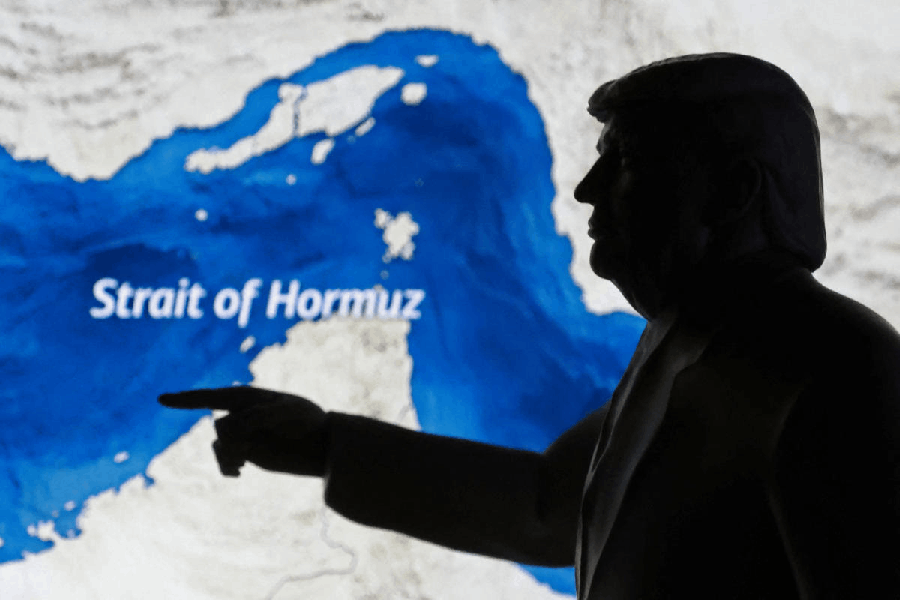
- Trump says opening Hormuz 'permanently' for 'China and the world'; Iran hints at second round of ceasefire talks
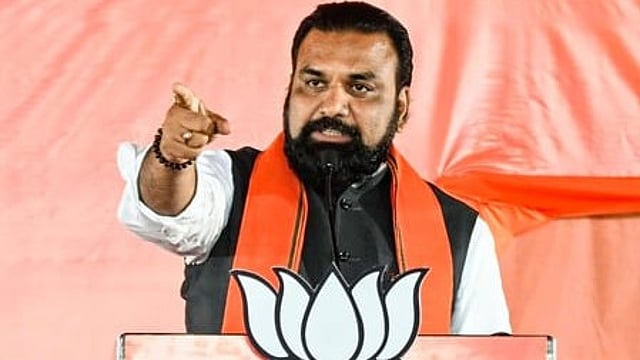
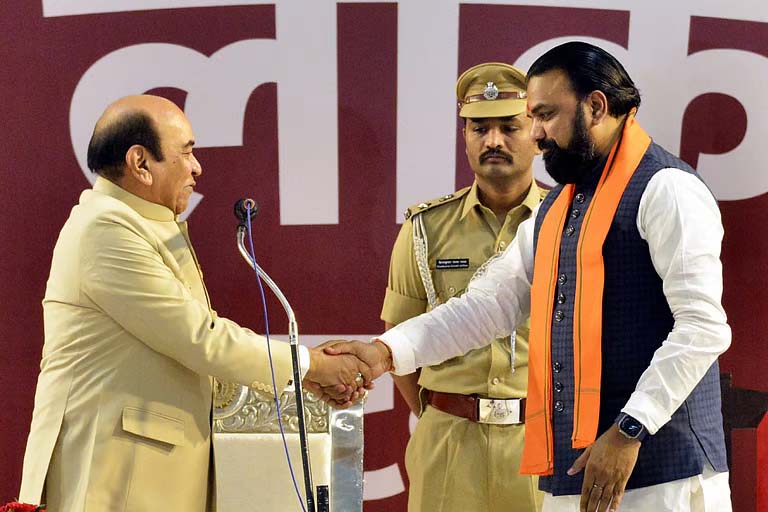
- Bihar will be governed on the 'Modi-Nitish model': New CM Samrat Choudhary
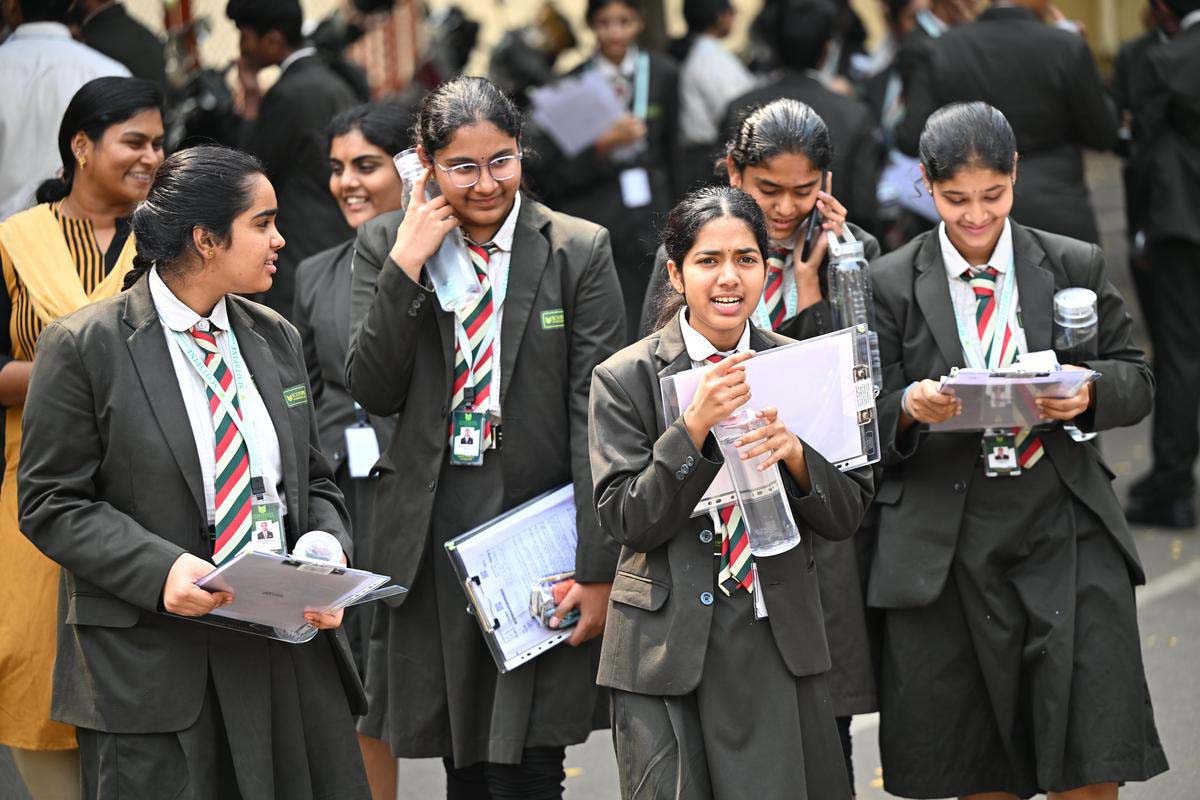
- CBSE Class 10 exam results announced
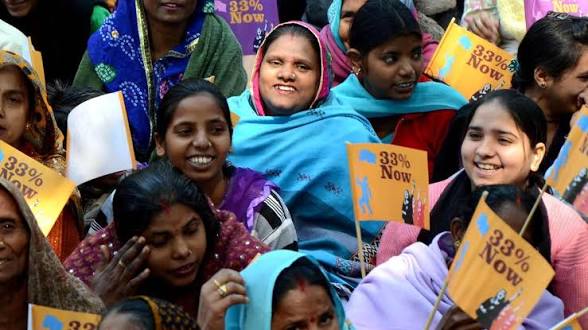
- For 33% quota for women before next parliamentary polls, LS seats to be increased to max of 850
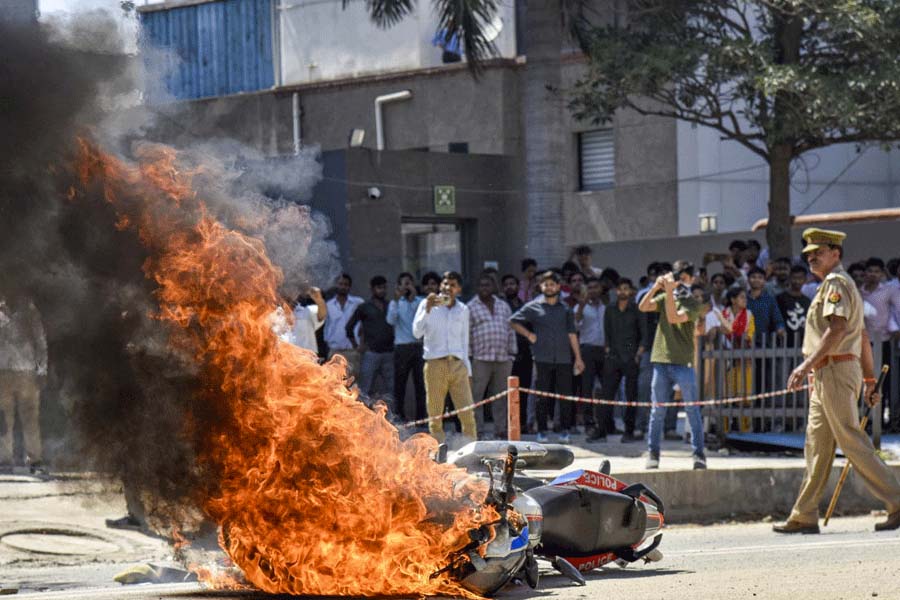
- Final cry of workers’: Opposition cites Modi govt’s ‘failed policies’, labour codes for unrest
- I-PAC director Vinesh Chandel sent to 10-day ED custody after arrest in alleged coal scam case
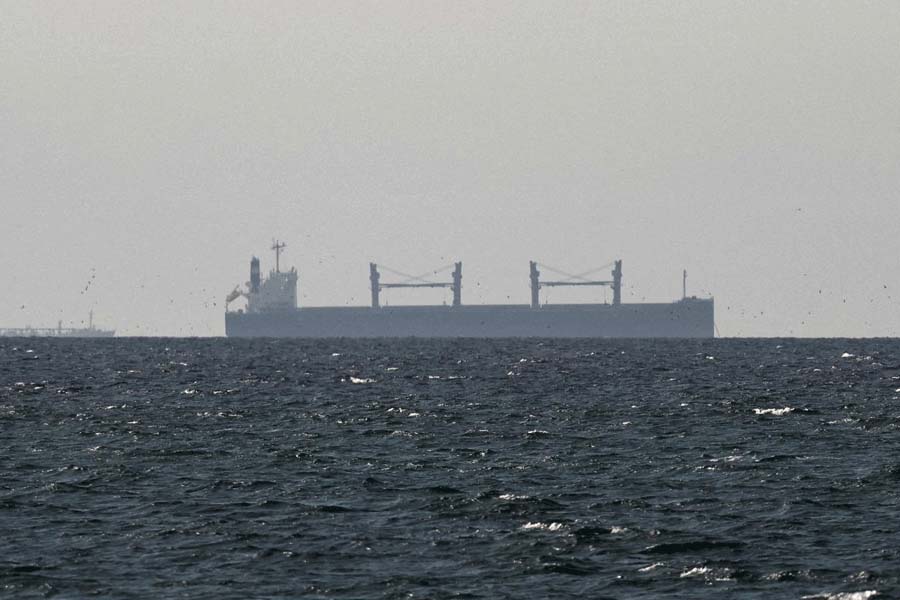
- US-sanctioned tankers pass Strait of Hormuz despite US blockade, data show
Trump says opening Hormuz 'permanently' for 'China and the world'; Iran hints at second round of ceasefire talks


Public Lokpal
April 15, 2026
Trump says opening Hormuz 'permanently' for 'China and the world'; Iran hints at second round of ceasefire talks
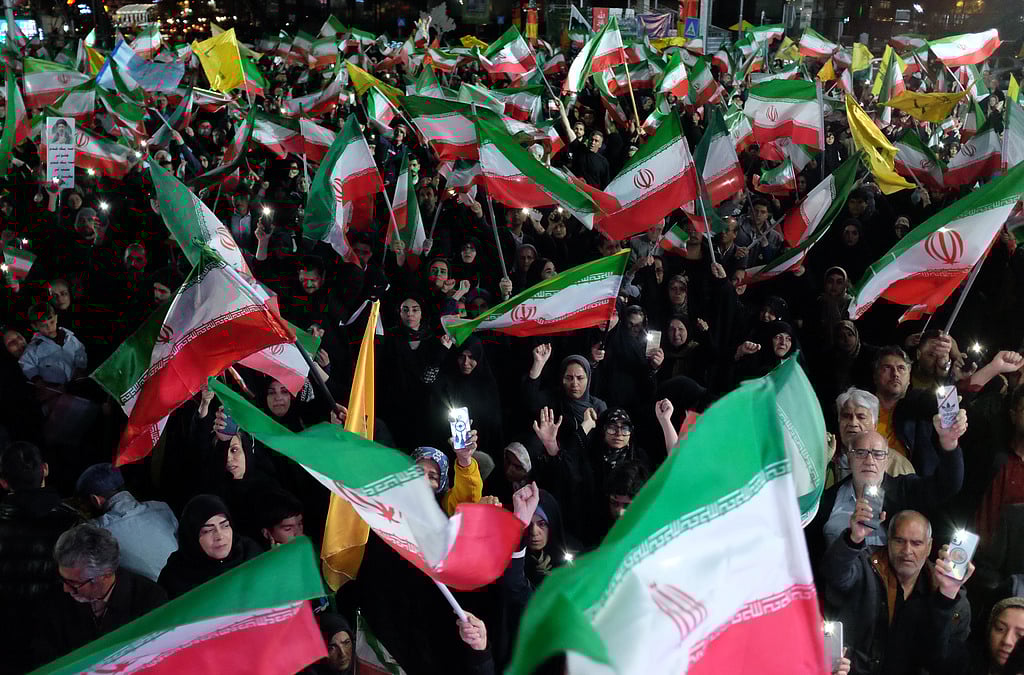
Washington: US President Donald Trump on Wednesday said he is "permanently opening" the Strait of Hormuz for "China and the world," days after he announced a "naval blockade" of the strategic waterway, which has remained effectively closed by Iran, shortly after the war began in February.
The Iranian military had earlier today threatened to block trade through the Red Sea, along with the Gulf and Sea of Oman, if the US naval blockade on Iranian ports continued.
"China is very happy that I am permanently opening the Strait of Hormuz. I am doing it for them, also - And the World. This situation will never happen again," Trump wrote in a post on Truth Social.
Trump also reiterated that he had received personal assurances from Chinese President Xi Jinping that they would not send weapons to Iran.
"They have agreed not to send weapons to Iran. President Xi will give me a big, fat hug when I get there in a few weeks," Trump said, referring to his planned May 14-15 summit with Xi in Beijing.
In an interview with Fox News, aired earlier today, Trump claimed that the Chinese president had assured him not to send weapons to Iran.
"I had heard that China's giving weapons to, I mean -- you're seeing it all over the place -- to Iran... And I wrote him a letter asking him not to do that, and he wrote me a letter saying that essentially he's not doing that," he said.
Trump also said that his country's war on Iran could end very soon.
"I think it’s close to over, yeah. I mean, I view it as very close to over," he said.
"If I pulled up stakes right now, it would take them 20 years to rebuild that country. And we’re not finished. We’ll see what happens. I think they want to make a deal very badly," he added.
Meanwhile, Iran on Wednesday said it will likely receive a delegation from Pakistan as a "continuation" of the ceasefire discussions with the US in Islamabad earlier this week.
Iran also said that it has been engaging with the United States through Pakistan, even after discussions to end the West Asia conflict failed on Sunday, following which Washington announced a "naval blockade" of the Hormuz and Tehran warned of retaliatory attacks on ports in the Gulf.
"Since Sunday, when the Iranian delegation returned to Tehran, several messages have been exchanged through Pakistan," said foreign ministry spokesman Esmaeil Baqaei in a weekly press briefing.
"Today, we are very likely to receive a Pakistani delegation as a continuation of the discussions in Islamabad," he added.
Trump had on Tuesday said that a second round of talks with Iran could happen "over the next two days," telling the New York Post the negotiations could be held again in Islamabad as diplomats worked through back channels to arrange them.
Regional officials said on Wednesday that the United States and Iran gave an "in principle agreement" to extend the two-week ceasefire, which is due to expire on April 22, to allow for more diplomacy.
One of the officials, who is involved in the mediation efforts, said mediators were working on a compromise to the three main disputed points --Iran's nuclear program, the Strait of Hormuz and compensation for damages caused by US-Israeli strikes on Iran.
The war has jolted markets and rattled the global economy as shipping has been cut off and airstrikes have torn through military and civilian infrastructure across the region.
Agencies