.jpeg)



BIG NEWS
- GRAP-1 restrictions revoked in Delhi-NCR
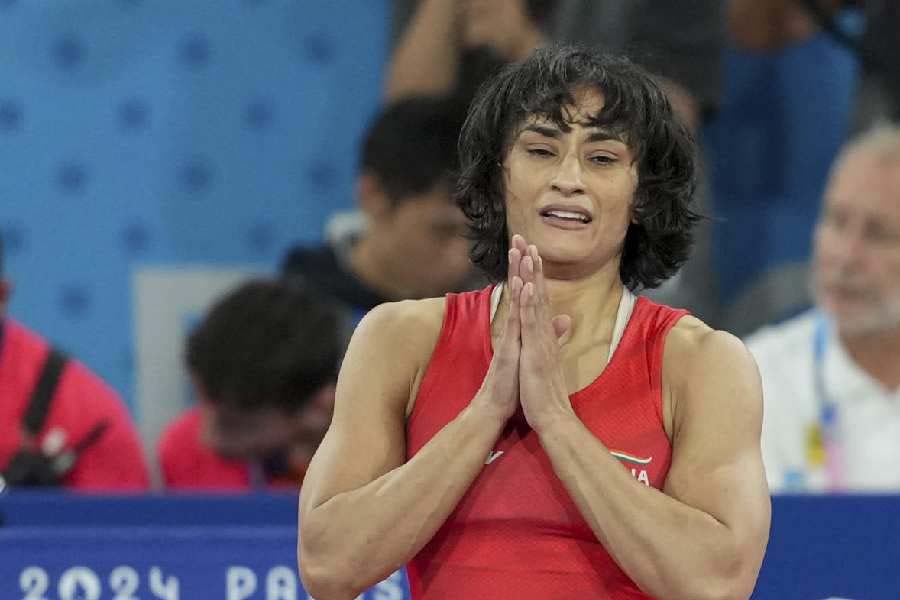
- Supreme Court allows wrestler Vinesh Phogat to participate in Asian Games selection trials
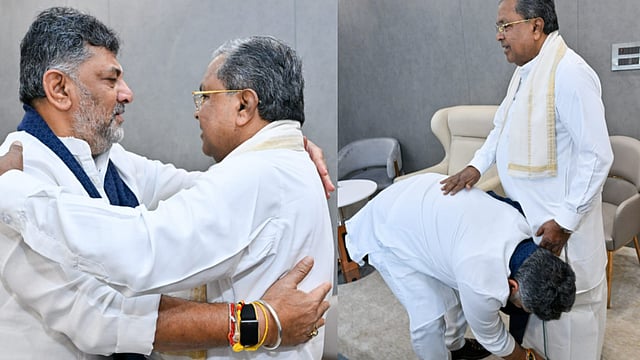
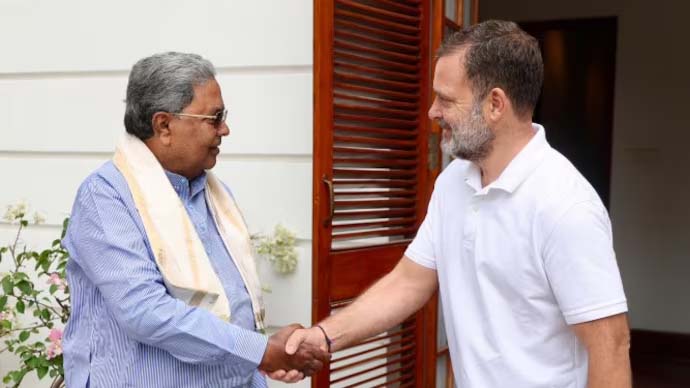
- Day after resigning as Karnataka CM, Siddaramaiah meets Rahul Gandhi in Delhi
- Vance says US ‘very close’ to agreement on Strait of Hormuz, Iran’s nuclear programme
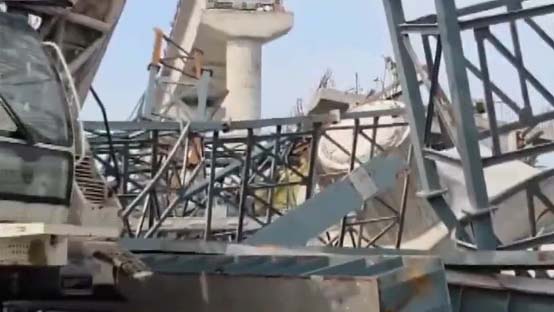
- 5 dead, several feared trapped as under-construction bridge collapses amid storm in UP’s Hamirpur
- Twisha Sharma death case: CBI arrests mother-in-law and former judge Giribala Singh
- CUET-UG revised exam dates announced for postponed May 28 papers; admit cards released
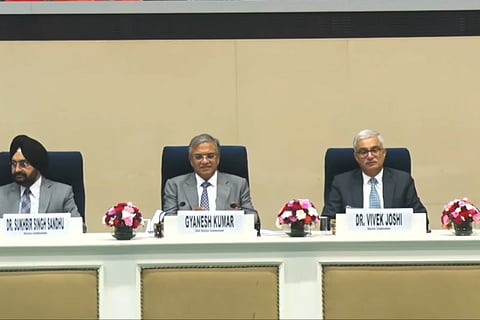
- Centre sanctions over 60% manpower boost to Enforcement Directorate, 1,227 new investigators added
- Rajasthan HC acquits Asaram of gang rape charges, upholds life term in minor rape case
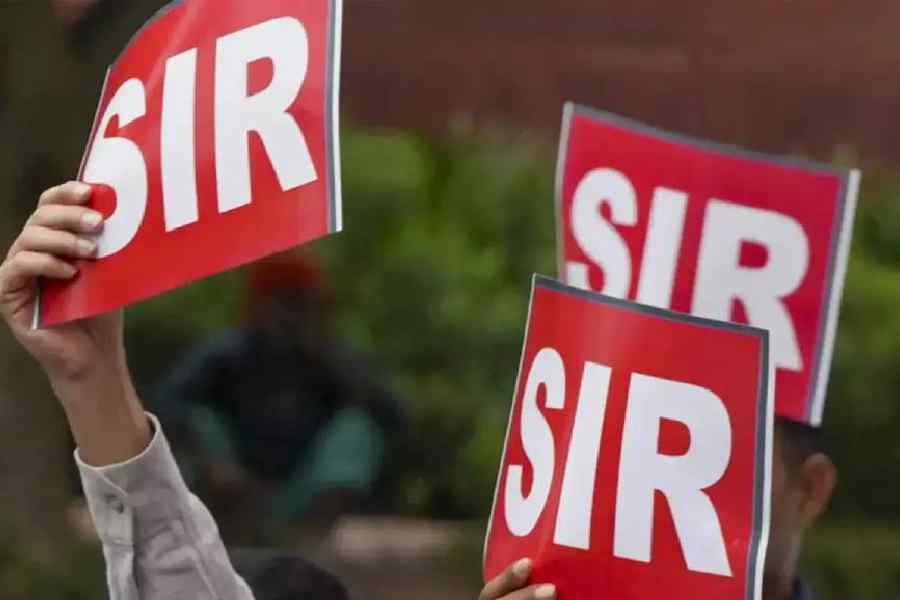
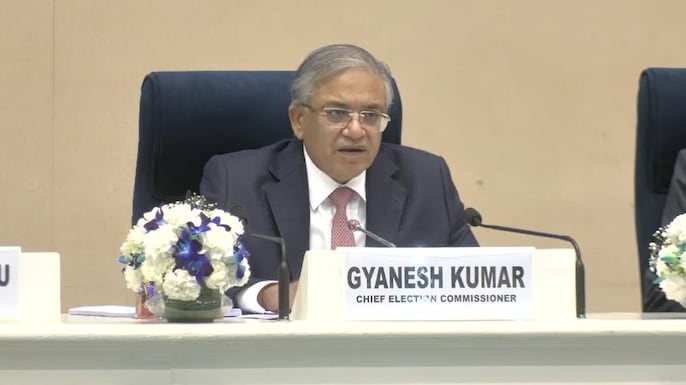
- SC upholds EC's power to conduct SIR, says exercise necessary for free and fair polls
Vance says US ‘very close’ to agreement on Strait of Hormuz, Iran’s nuclear programme


Public Lokpal
May 29, 2026
Vance says US ‘very close’ to agreement on Strait of Hormuz, Iran’s nuclear programme
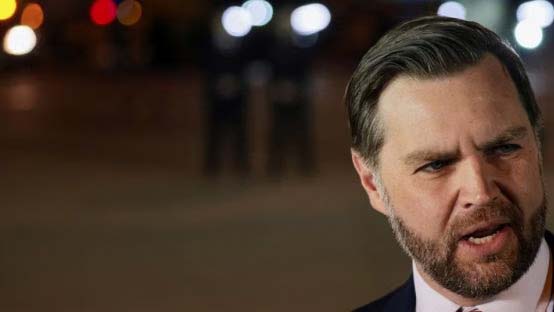
Maryland: US Vice President JD Vance said Washington is “very close” to achieving a broader strategic agreement in West Asia, asserting that recent US actions will reopen the Strait of Hormuz, weaken Iran’s conventional military capabilities, and position the United States to significantly delay Tehran’s nuclear programme.
Speaking to reporters at Joint Base Andrews in Maryland, Vance said the administration viewed the developments as a major strategic gain for the United States and its allies.
“If you look at what we’ve already accomplished here, assuming that we’re able to get to a final agreement here, we’re reopening the Strait of Hormuz, we’ve already decimated their conventional military, and we’re in a position where we could substantially set back their nuclear program, not just during the term of this President, but over the long term. That’s a very, very good thing for the American people,” Vance said.
He added that negotiations and efforts were still ongoing, but indicated that progress was nearing a critical stage.
“So, we’re not there yet, but we’re very close. We’re going to keep on working at it,” the Vice President said.
Meanwhile, US Treasury Secretary Scott Bessent hailed President Donald Trump’s administration’s “kinetic actions and economic pressure” on Iran, which he said worked to bring Tehran to the negotiation table about its nuclear programme.
Speaking to the reporters at a White House briefing, Bessent noted that this wasn’t achieved by any other administration and hoped that the US could ‘commit’ Iran to renounce its nuclear programme as the ceasefire negotiations continue.
“This administration, President Trump, has done something that no other administration was able to do. We have gotten the Iranians to talk about their nuclear programme and perhaps commit to not having one. That has never happened before. It had been off the table,” he said.
“When you look at the results of the kinetic action of our economic pressure, it has worked to bring them to the table and have a discussion on this,” he added.’
Speaking about the potential US deal with Iran, Bessent stressed that it depends on President Donald Trump, who is resolute on his demand against Iran’s nuclear programme.
“Everything depends on what the president wants to do, and President Trump is not going to make a bad deal for the American people,” he said.
He insisted that any deal would need to meet Trump’s demands that Iran turn over its highly enriched uranium and commit not to pursue a nuclear weapon, in addition to allowing free navigation through the strait.
“It is a multifaceted agreement and nothing is going to be on the table until we see the Strait of Hormuz open and the Iranians agree that they have to turn over the highly enriched uranium, and that they can’t have a nuclear program,” he said.
US and Iranian negotiators have reportedly reached a tentative 60-day memorandum of understanding (MoU) aimed at extending a fragile ceasefire and paving the way for formal talks regarding Iran’s nuclear programme. According to an Axios report, the agreement is now awaiting final approval from President Donald Trump, as well as Iran’s acceptance.
The proposed MoU is designed to serve as a bridge to bring both nations to the negotiating table to address the ongoing crisis in West Asia. While officials on both sides noted that most terms were settled by Tuesday, the final hurdle remains the blessing of top leadership.
One US official noted that President Trump has requested a few days to review the final draft before committing to the framework, reported Axios.
The deal, if finalised, would mark the most significant diplomatic breakthrough since the conflict began on February 28.
However, officials noted that a comprehensive agreement addressing Trump’s nuclear demands would still require extensive negotiations.
“This is an agreement to get everybody to the table. We will work out the details in the negotiations,” one of the US officials said, as reported by Axios. (ANI)