

Parliament Passes Anti-Paper Leak Law With Up To 10-Year Jail And ₹10 Crore Fines


Public Lokpal
July 31, 2026
Parliament Passes Anti-Paper Leak Law With Up To 10-Year Jail And ₹10 Crore Fines
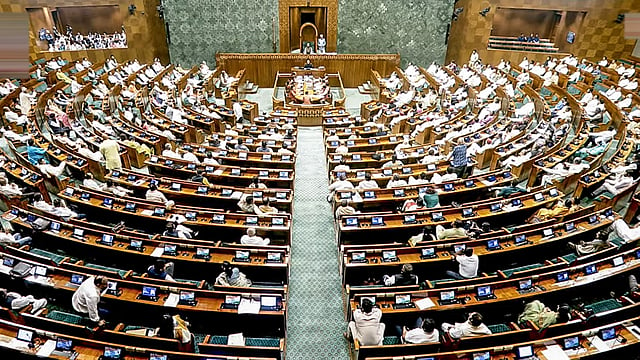
Parliament approved the Public Examinations (Prevention of Unfair Means) Amendment Bill, 2026, introducing sweeping and stringent measures to curb paper leaks and organized fraud in public examinations.
Here is everything you need to know about the key provisions of the amended law:
1. Stricter Punishments & Fines for Individuals
2. Crackdown on Organized Crime Syndicates
3. Tougher Action on Service Providers
4. Fast-Track Courts & Strict Timeframes
5. Enhanced Investigative Powers
Scope of the Law
Jail Terms: The minimum imprisonment for individuals caught using unfair means or leaking question papers has been raised from 3 years to 5 years, with a maximum term of 10 years.
Fines: The maximum financial penalty has been increased five-fold, moving from ₹10 lakh to ₹50 lakh.
For organized rings, syndicates, or groups orchestrating examination fraud, the minimum prison sentence is now 7 years (extendable further).
The minimum fine for organized crime has been sharply escalated to ₹10 crore.
Service providers, technology partners, or logistics agencies handling public exams that get implicated in malpractices face a massive fine of up to ₹5 crore (up from ₹1 crore).
The mandatory debarment period for guilty service providers has been doubled from 4 years to 8 years.
Directors and senior management of such companies face prison terms ranging from 5 to 10 years alongside severe monetary penalties.
To eliminate delays in justice, the law institutes strict legal timelines and specialized infrastructure:
Special Fast-Track Courts: Every State and Union Territory is mandated to designate a court of session as a special fast-track court exclusively for offenses under this act.
All pending cases will also stand transferred to these courts. Investigation Deadline: Police or investigative agencies must wrap up their investigations within 2 months.
Day-to-Day Trials: Trials in fast-track courts must proceed on a day-to-day basis and be concluded within 3 months from the filing of the chargesheet.
Appellate Mechanism: Appeals against fast-track court judgments go directly to a two-judge bench of the High Court and are targeted for disposal within 3 months.
The central government is empowered to form Special Task Forces (STFs) to investigate network-level offenses, supplementing existing provisions that allow cases to be handed over to central agencies or probed by senior-ranking police officers (not below the rank of DSP/ACP).
State/UT administrations are required to appoint dedicated Special Public Prosecutors for these fast-track courts.
The legislation covers major central recruitment and entrance tests conducted by bodies like the UPSC, SSC, RRBs, IBPS, and the NTA (such as civil services, banking, railway, and national medical/engineering entrance tests).
All offenses under the law remain cognizable, non-bailable, and non-compoundable.