.jpeg)


.jpeg)



BIG NEWS
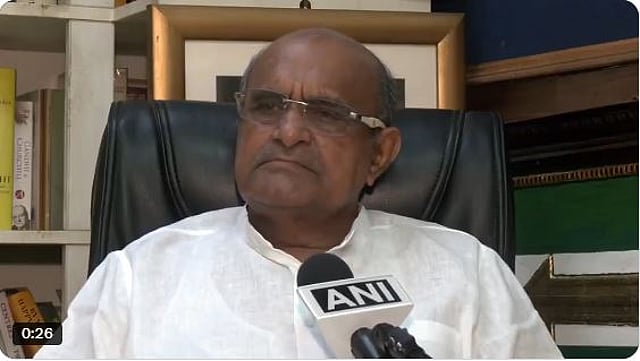
- Former JD (U) leader KC Tyagi joins RLD
- Hormuz shut, India's urea plants run at half capacity before sowing season
- Dissenters won't impact poll prospects, LDF targeting 110 seats, says CPI (M)
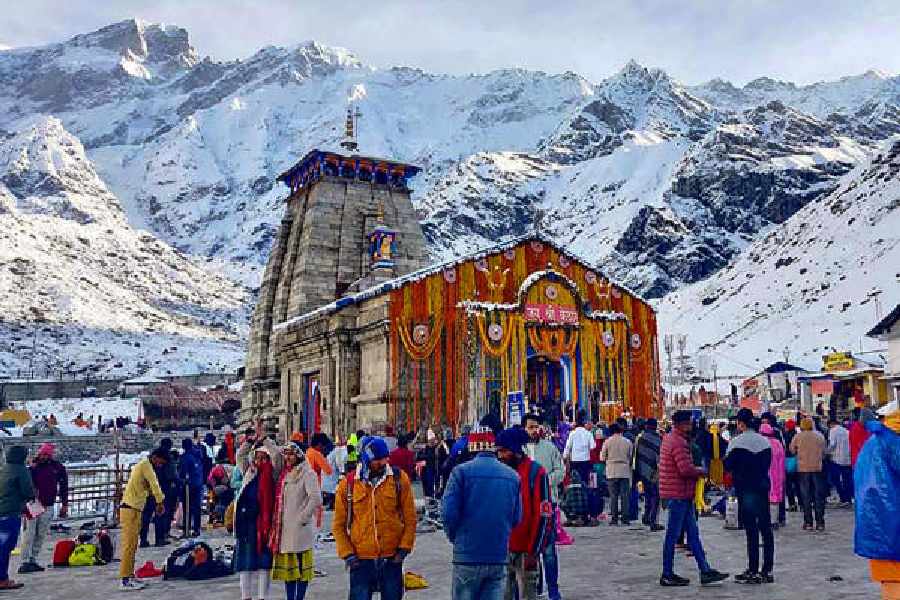
- Hindus to pay more for special puja offerings at Kedarnath and Badrinath temples
- UP Teacher Eligibility Test to be held from July 2-4
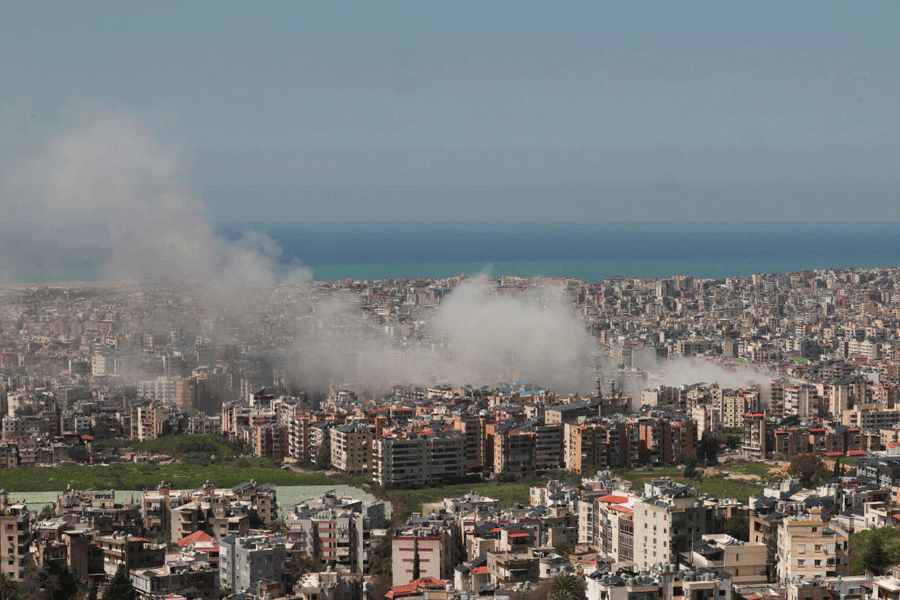
- UK allows US to use military bases for strikes on Iran over Strait of Hormuz attacks
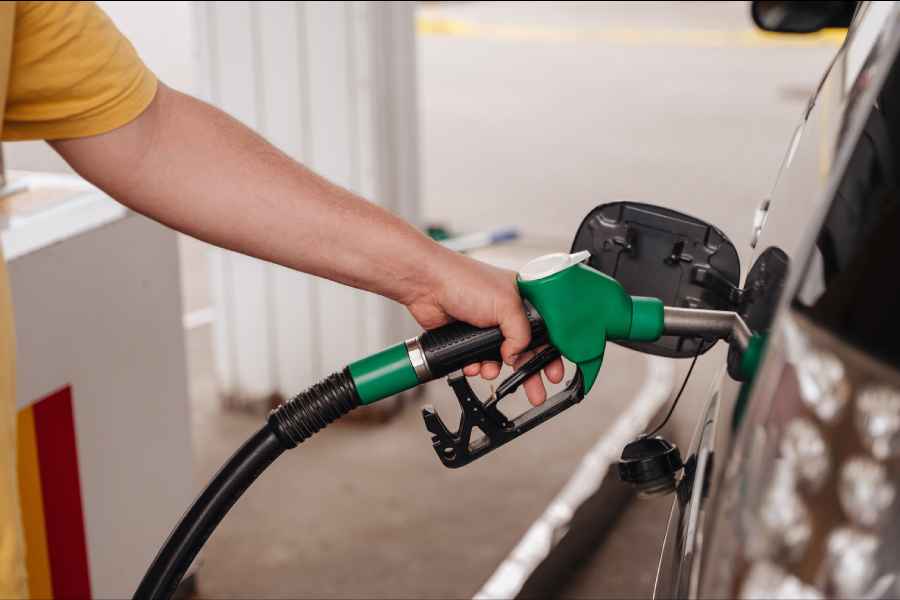
- Premium petrol price up Rs 2, industrial diesel up Rs 22; no change in normal petrol, diesel rates
- Cabinet expansion in Uttarakhand on the cards
- Fake notes with face value of Rs 2.38 crore seized in Ahmedabad, 7 held
- 65 services of Delhi govt to be available on WhatsApp
Hormuz shut, India's urea plants run at half capacity before sowing season


Public Lokpal
March 22, 2026
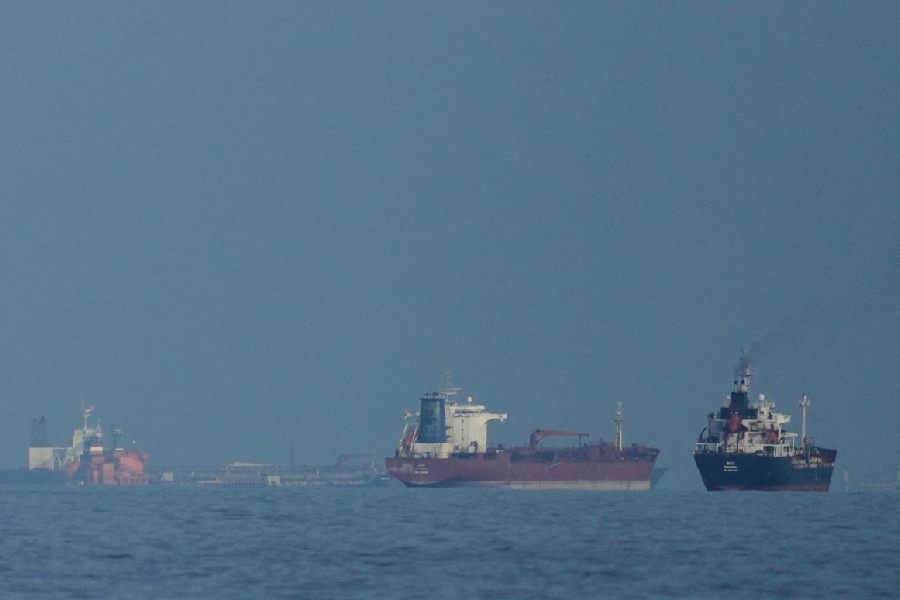
Hormuz shut, India's urea plants run at half capacity before sowing season
New Delhi: India's urea plants are running at half capacity after force majeure declarations disrupted LNG flows through the Strait of Hormuz amid escalating West Asia tensions, industry sources said on Sunday.
The development could have implications for food production because this is a crucial time for sowing rice and wheat.
Petronet LNG Ltd, which operates India's largest liquefied natural gas receiving terminal, declared force majeure after upstream suppliers cited their inability to deliver contracted volumes amid disruptions to cargoes transiting the Strait, sources said.
The move triggered supply curtailments by state-owned gas distributors GAIL (India) Ltd, Indian Oil Corporation Ltd (IOC) and Bharat Petroleum Corporation Ltd (BPCL), which supply gas under RasGas contracts to fertiliser units across the country.
"Gas supplies have been curtailed to approximately 60-65 per cent of normal levels," a senior industry official told PTI, adding that when scheduled plant turnarounds over the past six months were factored in, effective supply at some units had fallen below 50 per cent.
Urea output at affected plants has consequently dropped by around 50 per cent. Paradoxically, energy consumption at these facilities had climbed by as much as 40 per cent as large ammonia-urea trains running at reduced loads suffer a sharp deterioration in thermal efficiency, according to plant officials.
"Plants of this scale are not designed to ramp up and down at will," one plant operations manager said. "Operating under these conditions means you are burning more energy to produce less fertiliser, and that is a direct financial hit."
The situation has been compounded by what fertiliser company officials described as a breakdown in operational coordination. Following Ras Laffan LNG Company's force majeure invocation, gas consumption mandates have at times been communicated to fertiliser units late at night, leaving plant managers scrambling to make abrupt load adjustments.
"Sudden load variations of this nature are not practically feasible for large train-based ammonia-urea plants," another industry source said. "They risk equipment failures, plant tripping and, most critically, safety risks to operating personnel."
Several plants, sources said, were compelled to overdraw gas allocations momentarily to keep operations within safe parameters.
A further complication emerged on the pricing front. GAIL informed fertiliser companies by letter dated March 15 that long-term RLNG quantities would henceforth be invoiced at multiple price points, including contract price, GAIL Pooled Price and Gazette Pooled Price, effective March 1, 2026.
The pooled price, sources noted, is provisional and subject to retrospective reconciliation under applicable government guidelines, introducing an additional layer of financial uncertainty for producers already absorbing production losses.
India is among the world's largest consumers of urea, and a sustained domestic shortfall could affect fertiliser availability ahead of the upcoming kharif sowing season, analysts noted.
As of March 19, India has a total urea stock of 61.14 lakh tonne, higher than 55.22 lakh tonne in the year-ago period.
PTI
.jpeg)