





BIG NEWS
- Bird flu outbreak at a poultry farm in Chhattisgarh’s Bilaspur kills 4,400 chickens
- Delhi Assembly receives bomb threat again amid ongoing session, searches underway
- Sleeper bus from Jaipur overturn in central Delhi, 2 dead, 23 injured
- Gujarat assembly passes Uniform Civil Code Bill, mandates common law for marriage, divorce, inheritance
- Harish Rana, India's first person to be allowed passive euthanasia, dies in AIIMS
- Supreme Court: Scheduled Caste status lost for Hindus, Sikhs, Buddhists converting to other faiths
- CM Rekha Gupta presents Delhi govt's Rs 1,03,700 crore budget for 2026-27
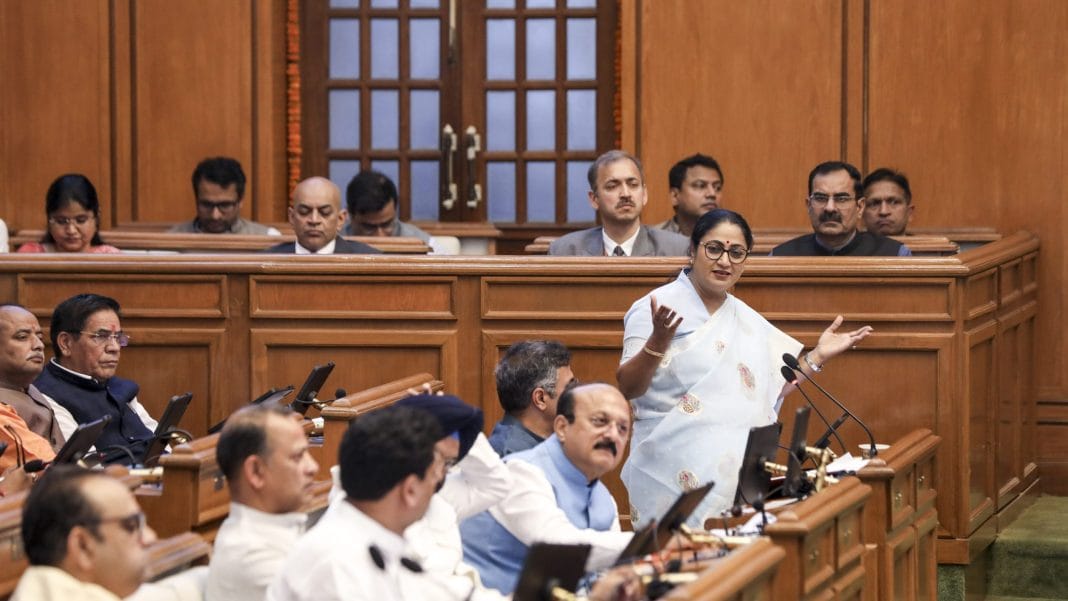
- ‘We are not afraid’: Delhi Assembly Budget Session underway despite bomb threat
- EC publishes first supplementary voters' list after SIR adjudications for West Bengal
- NCLAT asks Vedanta to make Adani Group a party in appeals against Jaiprakash Associates resolution plan
Gujarat assembly passes Uniform Civil Code Bill, mandates common law for marriage, divorce, inheritance


Public Lokpal
March 25, 2026
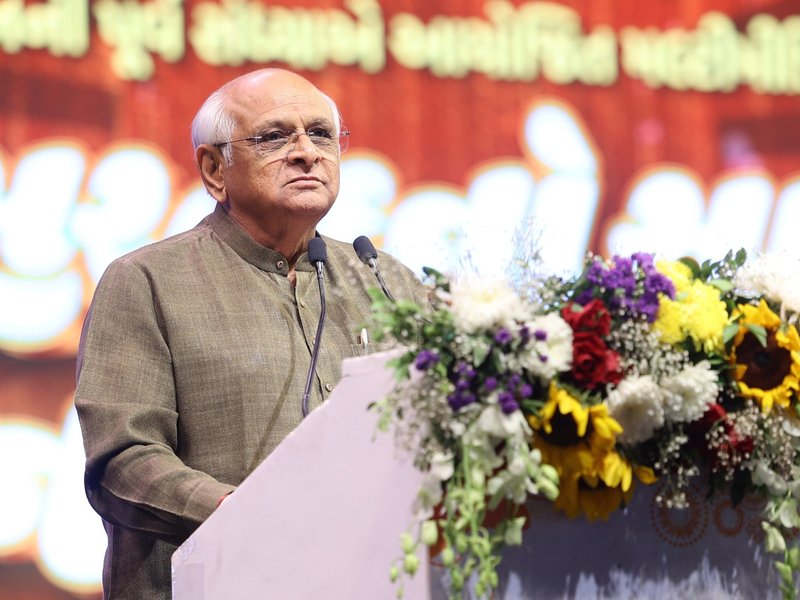
Gujarat assembly passes Uniform Civil Code Bill, mandates common law for marriage, divorce, inheritance
GANDHINAGAR: After a marathon debate of more than seven hours, the Gujarat assembly on Tuesday passed the Uniform Civil Code (UCC) Bill that seeks to put in place a common legal framework to govern marriage, divorce, succession and live-in relationships irrespective of religion.
The bill stipulates 7 years of jail term if marriages are conducted through force, coercion, or fraud, and also prohibits bigamy/polygamy. It also makes registration of marriages and live-in relationships mandatory.
The ruling BJP hailed the bill, which exempts tribals, as a landmark reform to ensure equality, while the Congress vehemently opposed it saying it violates fundamental right and was "anti-Muslim".
The bill was passed with majority voice vote as opposition Congress and Aam Aadmi Party (AAP) did not approve it and demanded that it be sent to the state assembly's select committee.
Chief Minister Bhupendra Patel, who tabled the bill earlier in the day, a week after a state-appointed panel submitted its final report on implementation of the UCC, said there is punishment of up to 7 years of jail if marriages are conducted through force, coercion, or fraud, and also in cases of bigamy/polygamy.
With the passage of the bill, BJP-ruled Gujarat became the second state in the country after Uttarakhand to pass the UCC. Uttarakhand became the first state to pass a UCC Bill in February 2024.
Titled the 'Gujarat Uniform Civil Code, 2026', the proposed law will extend to the entire state and also apply to residents of Gujarat living outside its territorial limits.
However, the bill document states that the code will not apply to members of Scheduled Tribes (ST) and certain groups whose customary rights are protected under the Constitution.
The bill aims to create a uniform legal framework, as per its "Objects and Reasons" statement.
While tabling the bill, CM Patel described it as a step towards a unified legal framework rooted in constitutional principles.
"A common legal framework is necessary for a united and undivided nation, and that reflects our Vedic knowledge. Our ancient verses also say that the truth is one, even if expressed in different ways; and if the truth is one, then even if religions are many, justice must be one," Patel said.
Referring to the Constitution of India, he added, "Under Article 14 of the Constitution, equality before the law has been ensured for every citizen of the country. And Article 44 of that same Constitution directs the state to move towards a Uniform Civil Code. Now, the implementation of the UCC will reject any policy or dispute involving division or discrimination among citizens based on their religion or caste."
The CM said the legislation would apply uniformly to all citizens, and reflects "the expectations, aspirations, and desires of the citizens of Gujarat for equal justice."
He emphasised that the bill introduces "a uniform legal framework" on issues like marriage, divorce, and inherited property, ensuring that no injustice is done to anyone", adding that it was drafted after "intensive discussions and deliberations" keeping in mind Gujarat's diversity.
Particularly, women's honour, equal rights, and security have been prioritised in this draft, he said.
PTI